A Delicate Deliver: Food and Water for Guarded Homes
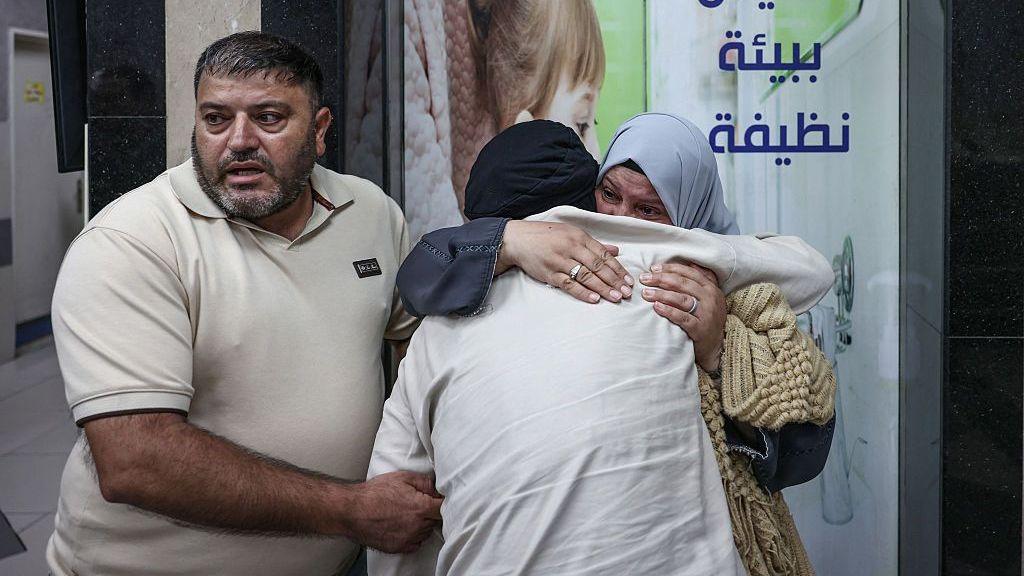
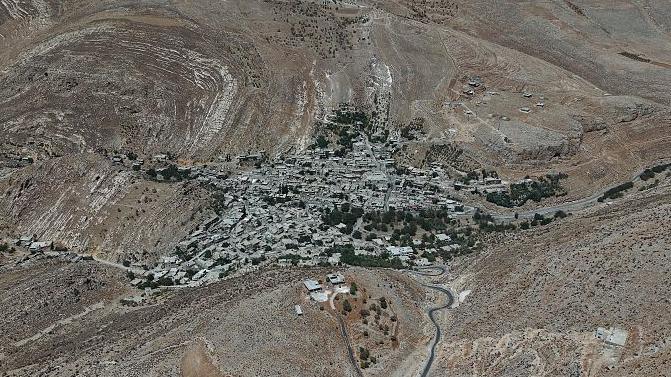
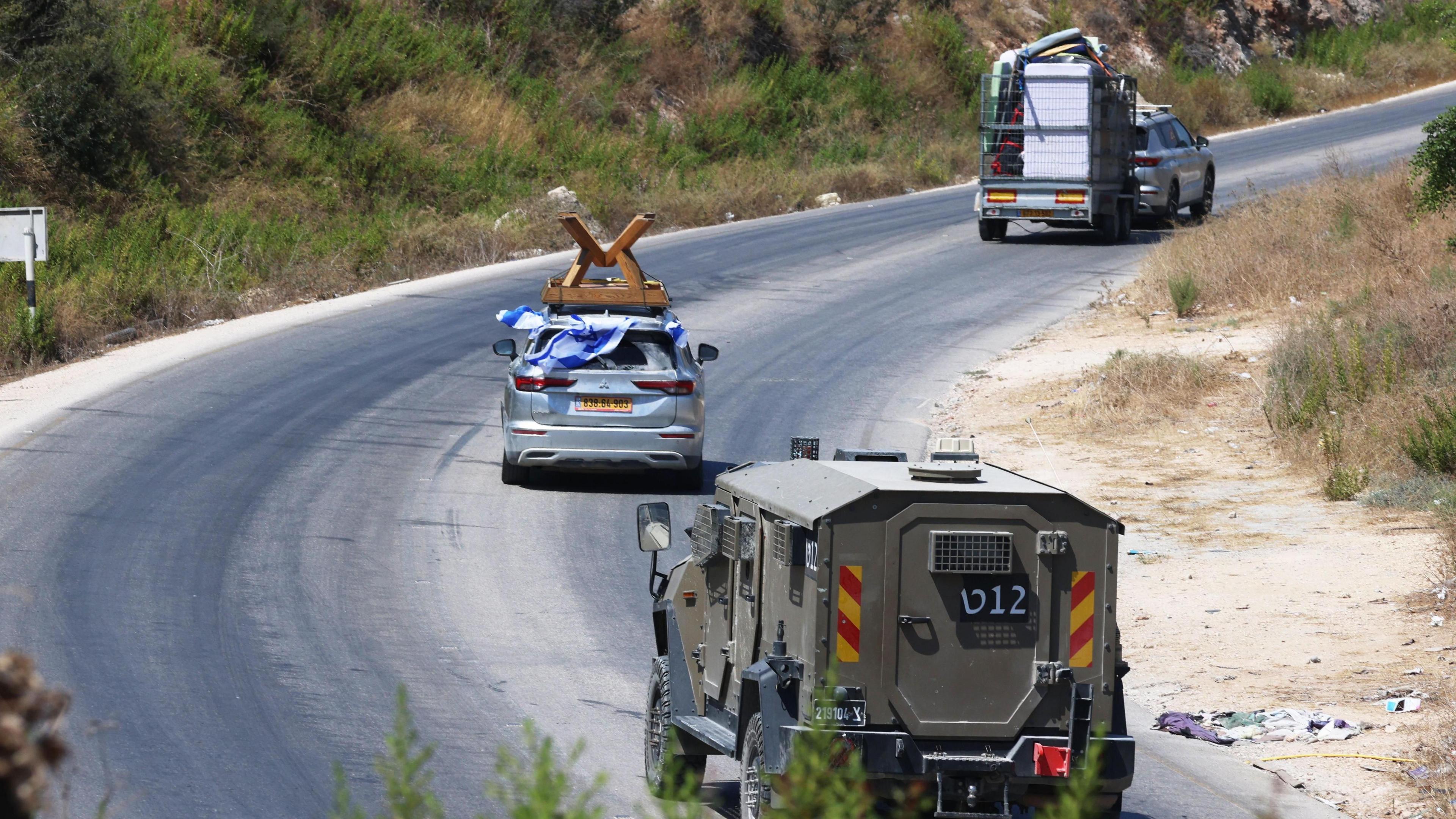
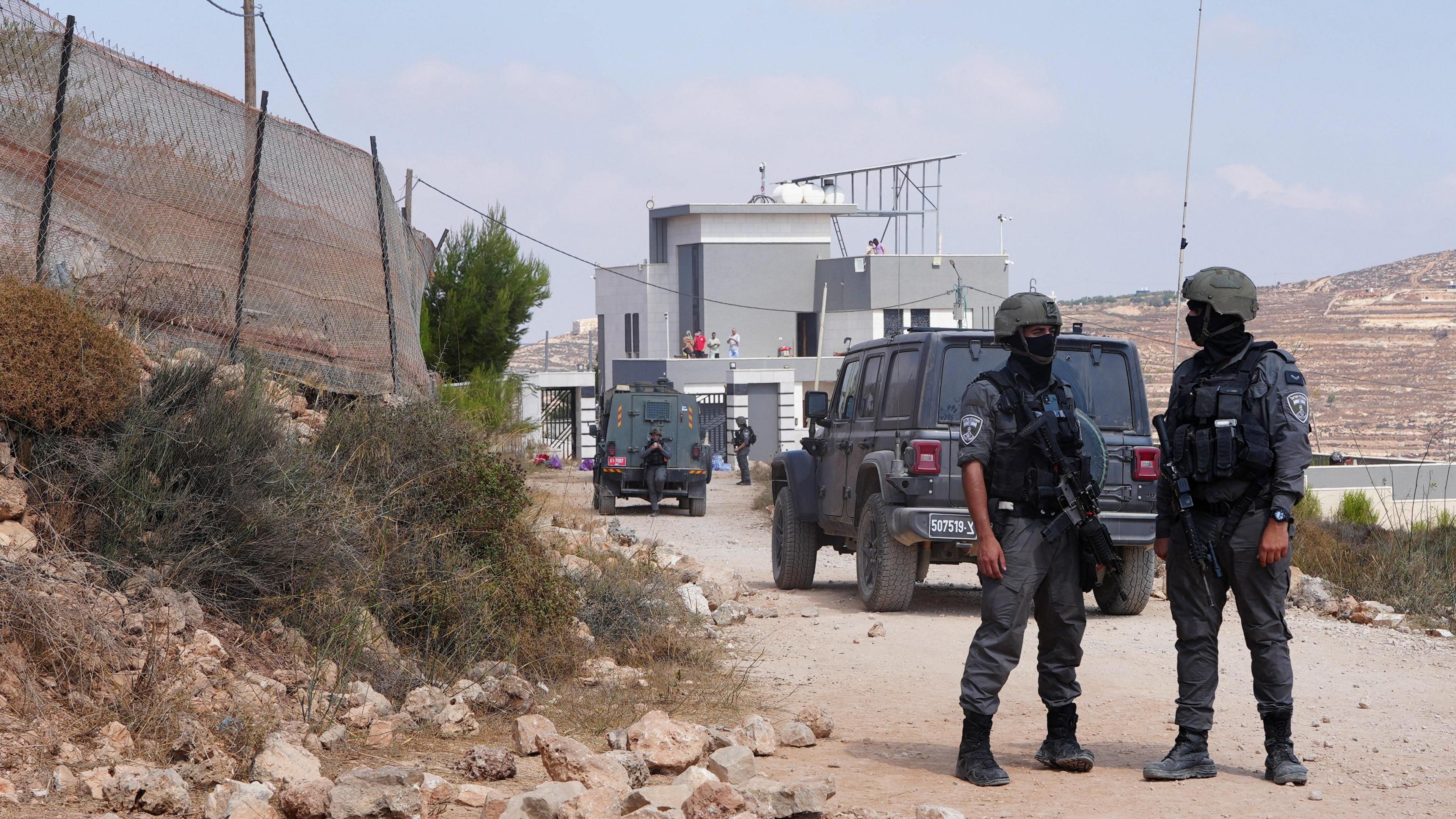
Amid a tense standoff in the occupied West Bank, a group of activists has sought to provide food, water and essential supplies to two Palestinian families locked in the homes of Qusra since Sunday. Israeli settlers blocked the road leading to the dwellings, severing power and water lines, and the military has declared the area a closed zone, restricting civilian access, including those delivering aid.
The residents reported that Israeli forces barred any direct hand‑to‑hand delivery, forcing the activists to leave the supplies outside. The Israel Defence Forces (IDF) denied any obstruction but explained that “civilian assists in the zone must remain outside the premises” to comply with security protocols.
In parallel, a separate operation on Friday saw a tent erected by settlers re‑appearing near the houses; the IDF later moved soldiers to remove the structure while proclaiming that the local residents were protected. The Qusra mayor, Abdul Azim Wadi, explained that the IDF aimed to use vacated properties as barracks, though the military claims the objective is to safeguard families who continue to reside in their homes.
The Broader Implications for Resource Security
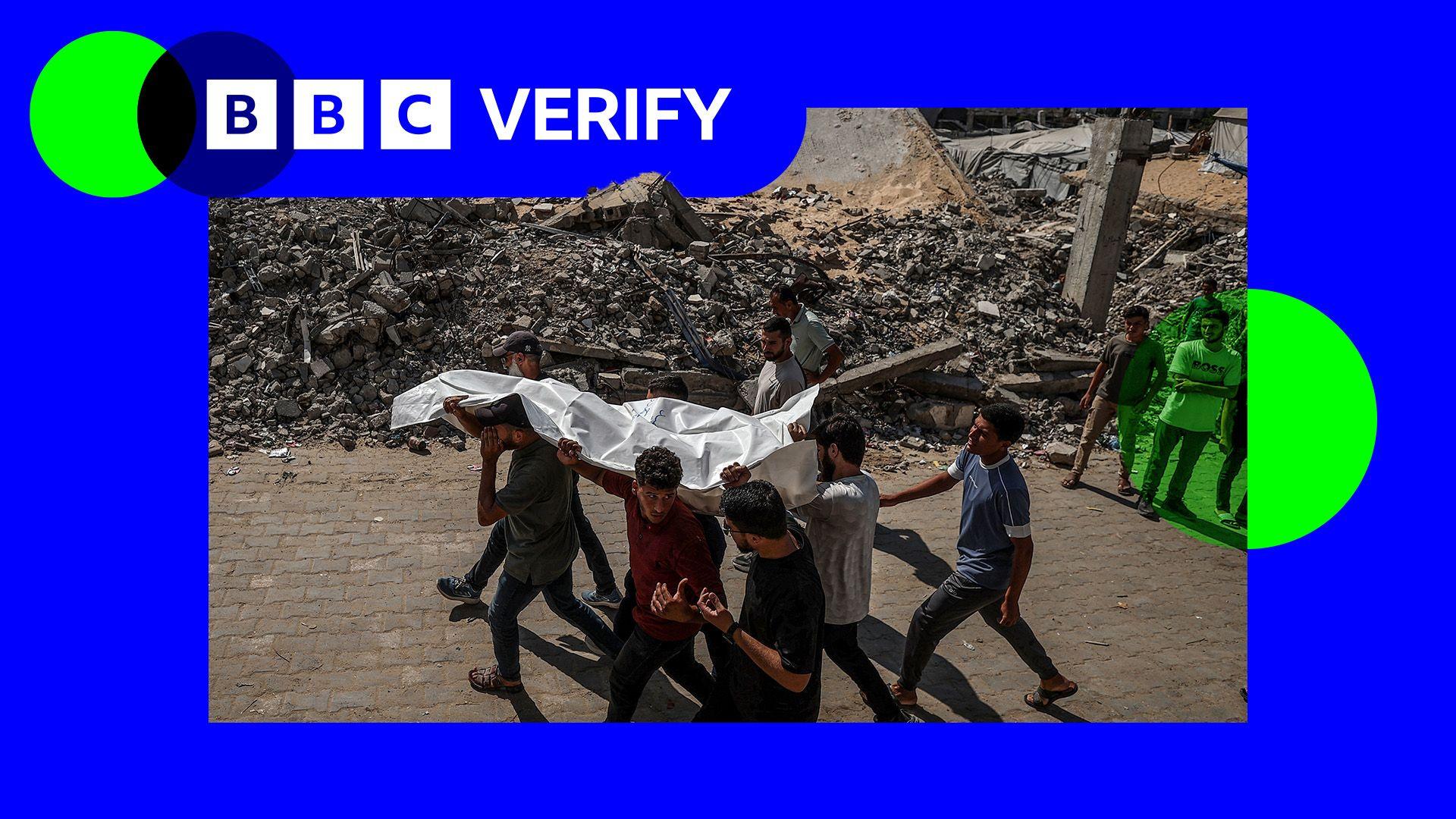
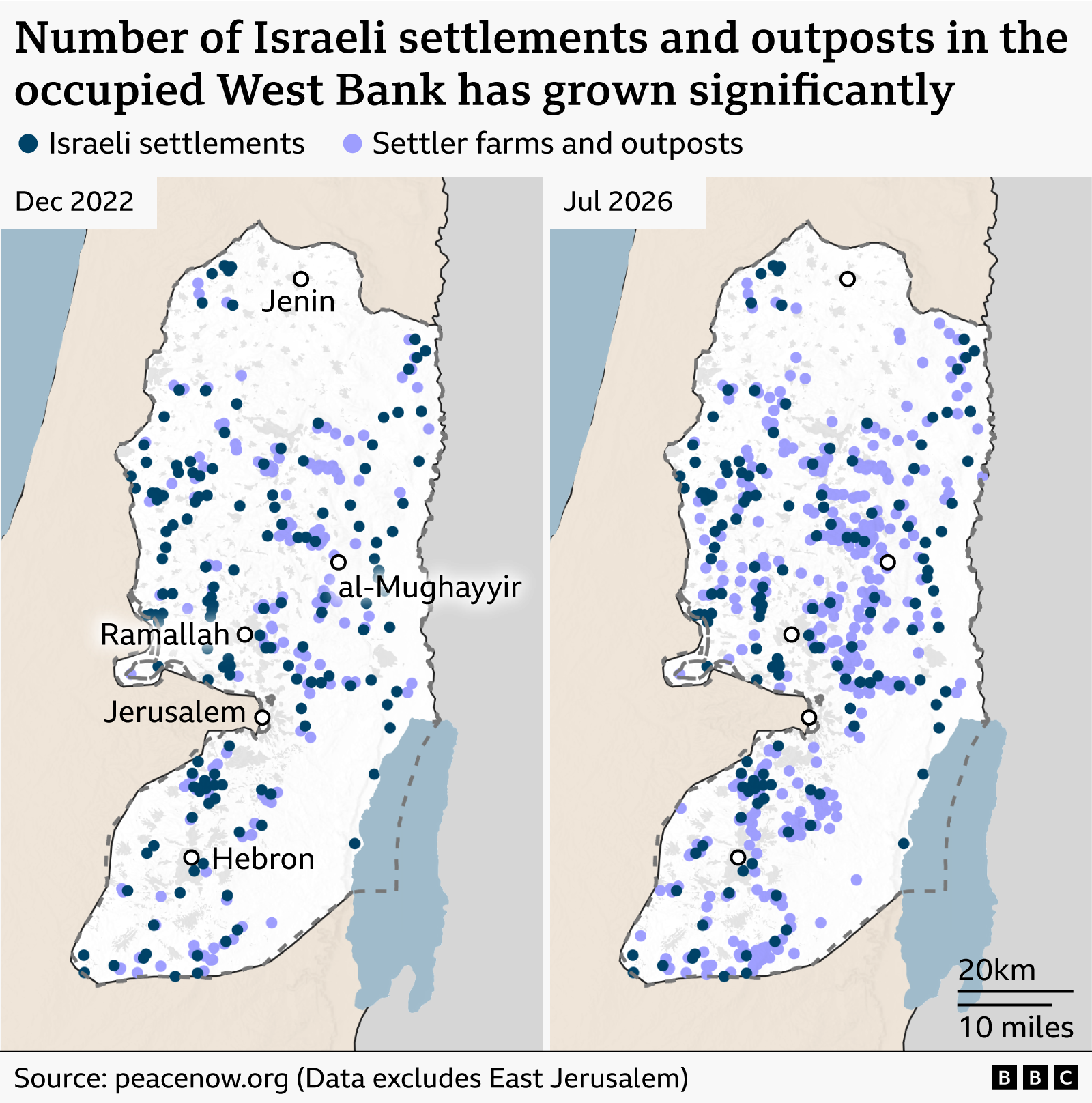
This incident is part of a larger trend: 127 Palestinian communities have experienced full or partial displacement since 2023, affecting more than 6,390 citizens. Of the 3,800 displaced residents in 2026, nearly half are children. The repeated occupation and expansion of settlements poses a direct risk to communal water supplies and agricultural land, compounding local vulnerabilities to climate variability.
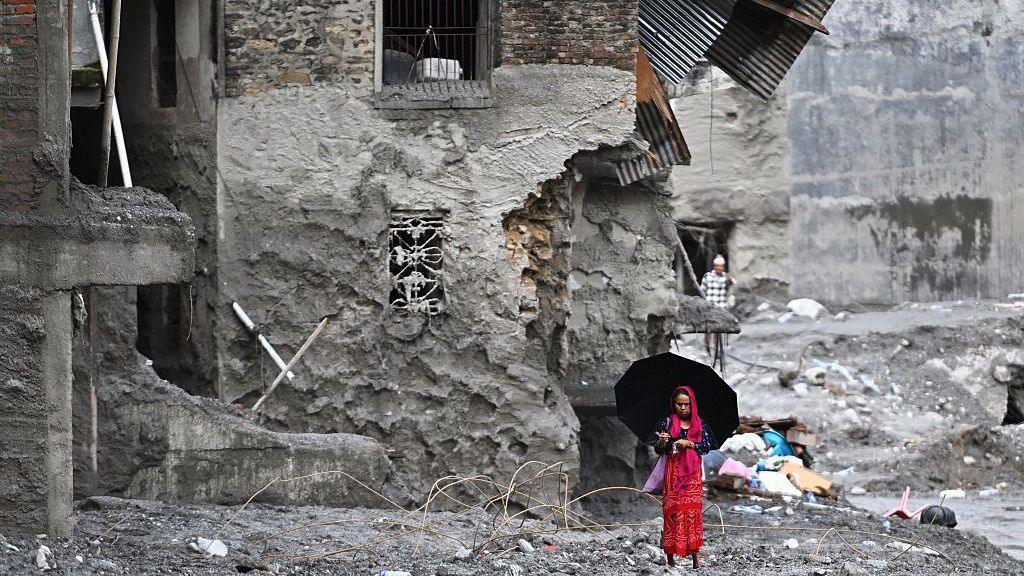
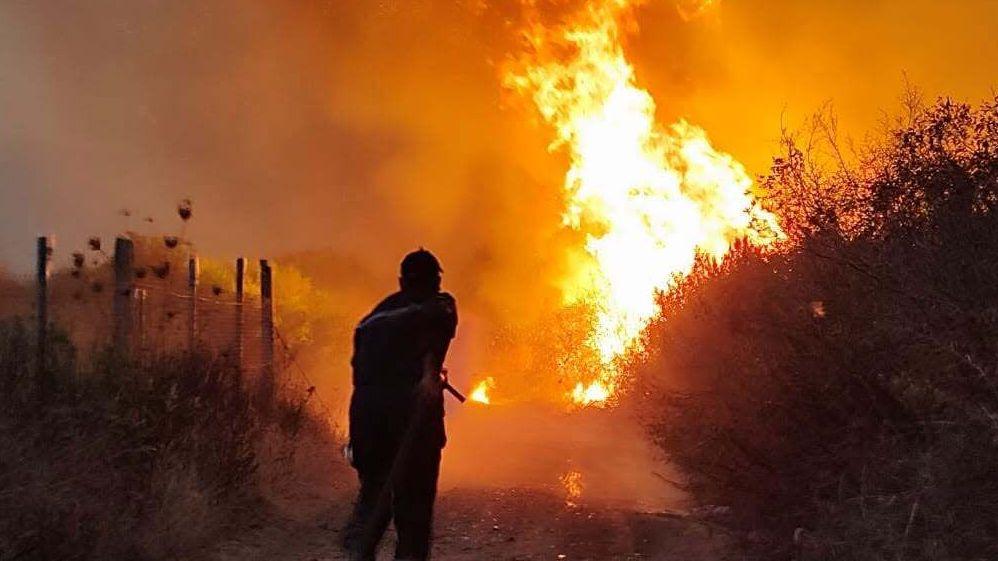
Environmental justice scholars note that forced migration, especially when tied to resource confiscation, often accelerates the local climate crisis. A lack of reliable water and energy undermines community resilience, while the continued use of wasteful, non‑renewable power sources exacerbates greenhouse gas emissions. The escalating conflict therefore brings into sharper focus the intersection of conflict‑induced displacement, resource scarcity and climate change.
Toward a Sustainable Humanitarian Response
In a climate‑aware scenario, supplying sustainable, low‑impact water solutions—such as filtration kits or solar‑powered pumps—could alleviate the dependency on cut‑off municipal supplies. Whereas food and basic necessities remain essential, an integrated approach that invests in renewable energy, leaching‑resistant irrigation, and community‑led water stewardship might reduce the chance of future breaches during tensions.
Activists and international partners are urging the governments of both Israeli and Palestinian administrations to adopt emergency protocols that safeguard subsistence resources irrespective of military stances. By embedding climate resilience in humanitarian aid, the region could chart a pathway toward long‑term security, dignity, and sustainable living for its people.