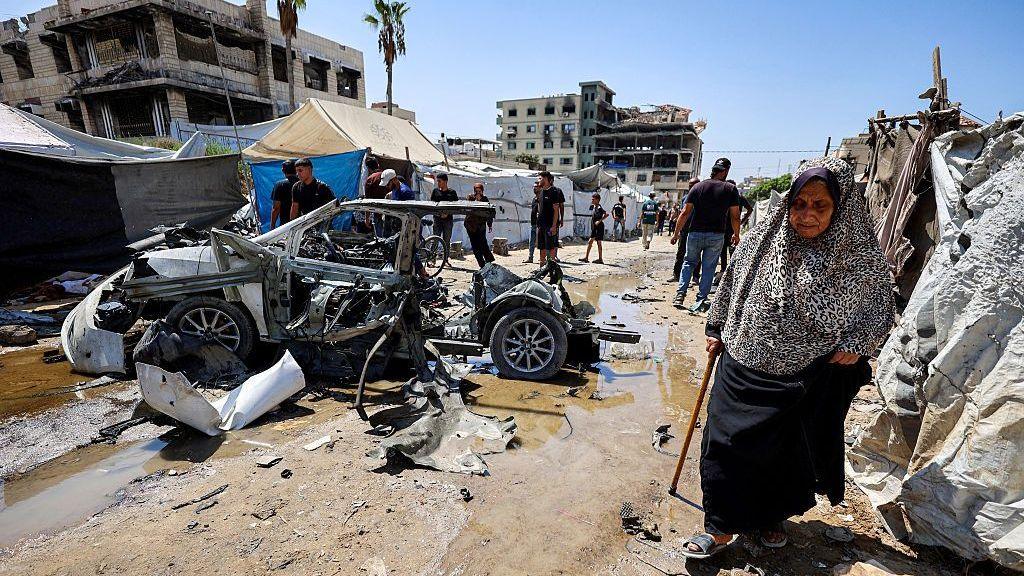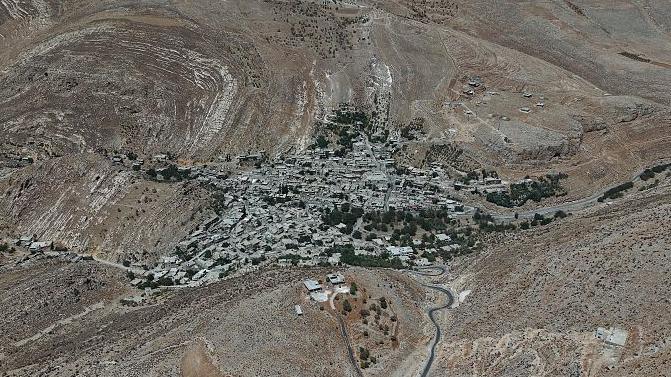
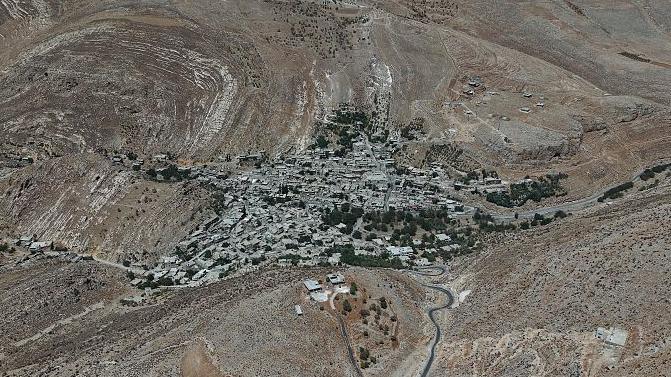
Syria’s foreign ministry released a statement condemning an Israeli strike that hit a civilian vehicle in the village of Beit Jinn. Officials say the attack injured several people and constitutes a breach of Syria’s sovereignty and international law.
The second strike by Israel on Syrian territory in the past week underscores a growing escalation in the region. The Israeli military claimed the target was a “terrorist” preparing an imminent threat. The incident follows an earlier raid on the Abu al‑Duhur airbase near the Turkish border.
Washington has openly rebuked Israel, calling the action an unnecessary escalation that does not promote regional stability. US ambassador to Turkey Tom Barrack suggested the strike could be a strategy to draw Turkish forces into a conflict ahead of Israel’s upcoming elections, a claim Israel’s defence minister dismissed as inaccurate.
These clashes have environmental repercussions. Air blasts damage local vegetation and soil integrity, while the displacement of residents disrupts agricultural cycles, threatening the sustainability of the area’s fragile ecosystems.
The instability around Damascus also jeopardises energy infrastructure. In a context where resilient, low‑emission systems are crucial for climate mitigation, ongoing conflict threatens to reverse progress toward sustainable development and exacerbates risks to both people and planet.