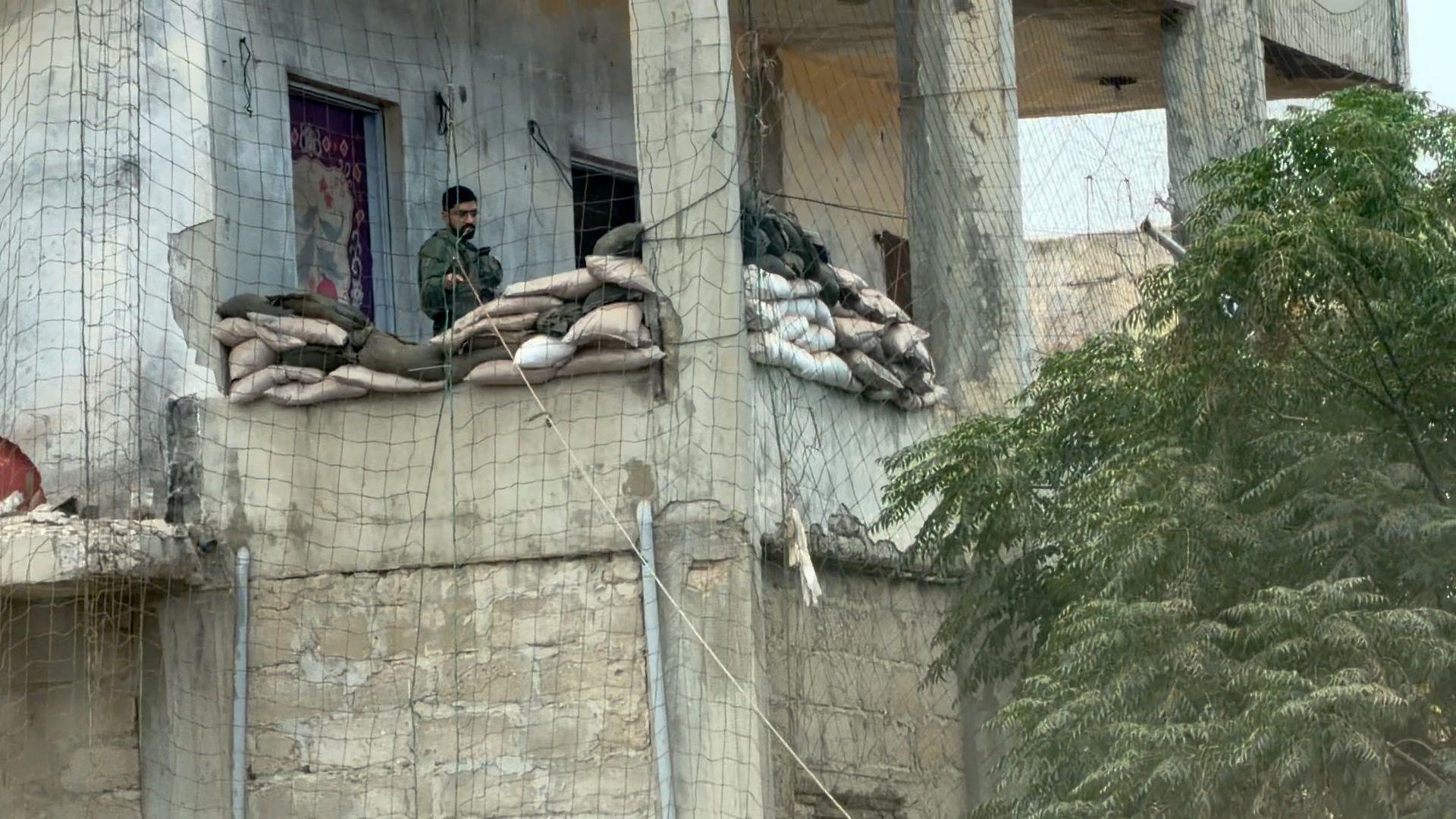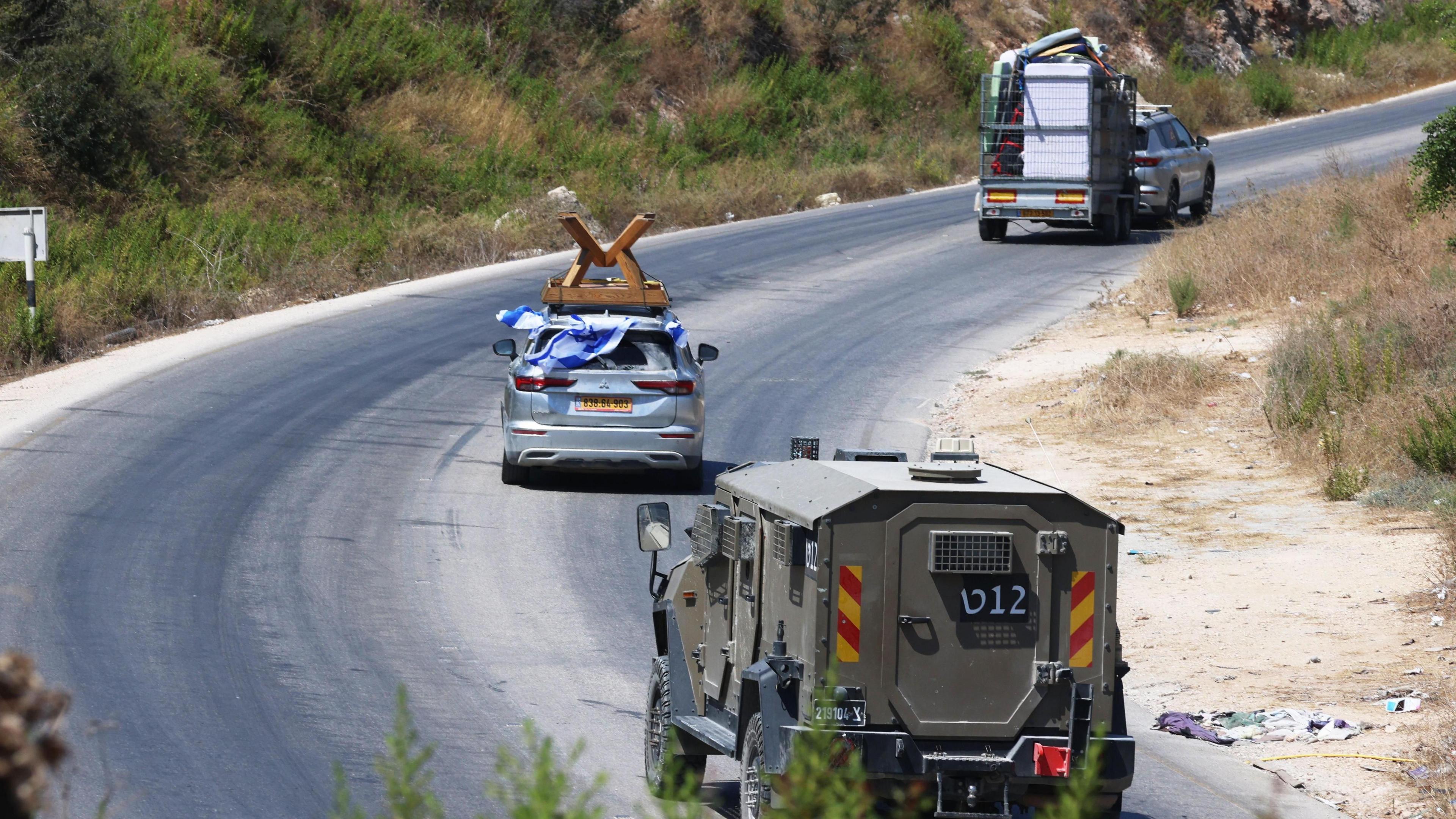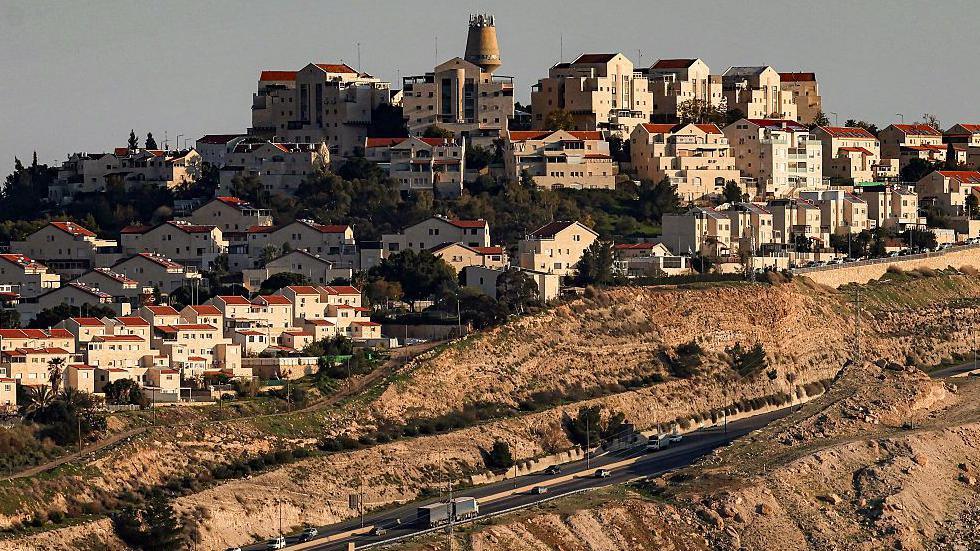
The Israeli government’s decision on 21 August 2026 to re‑open the Kadim settlement—a site abandoned in 2005 under the previous administration—signals a renewed push for settlement expansion in the occupied West Bank. Thirty pioneering families arrived from Tel Aviv under military escort, a visible statement of the new government’s domestic nationalist agenda.
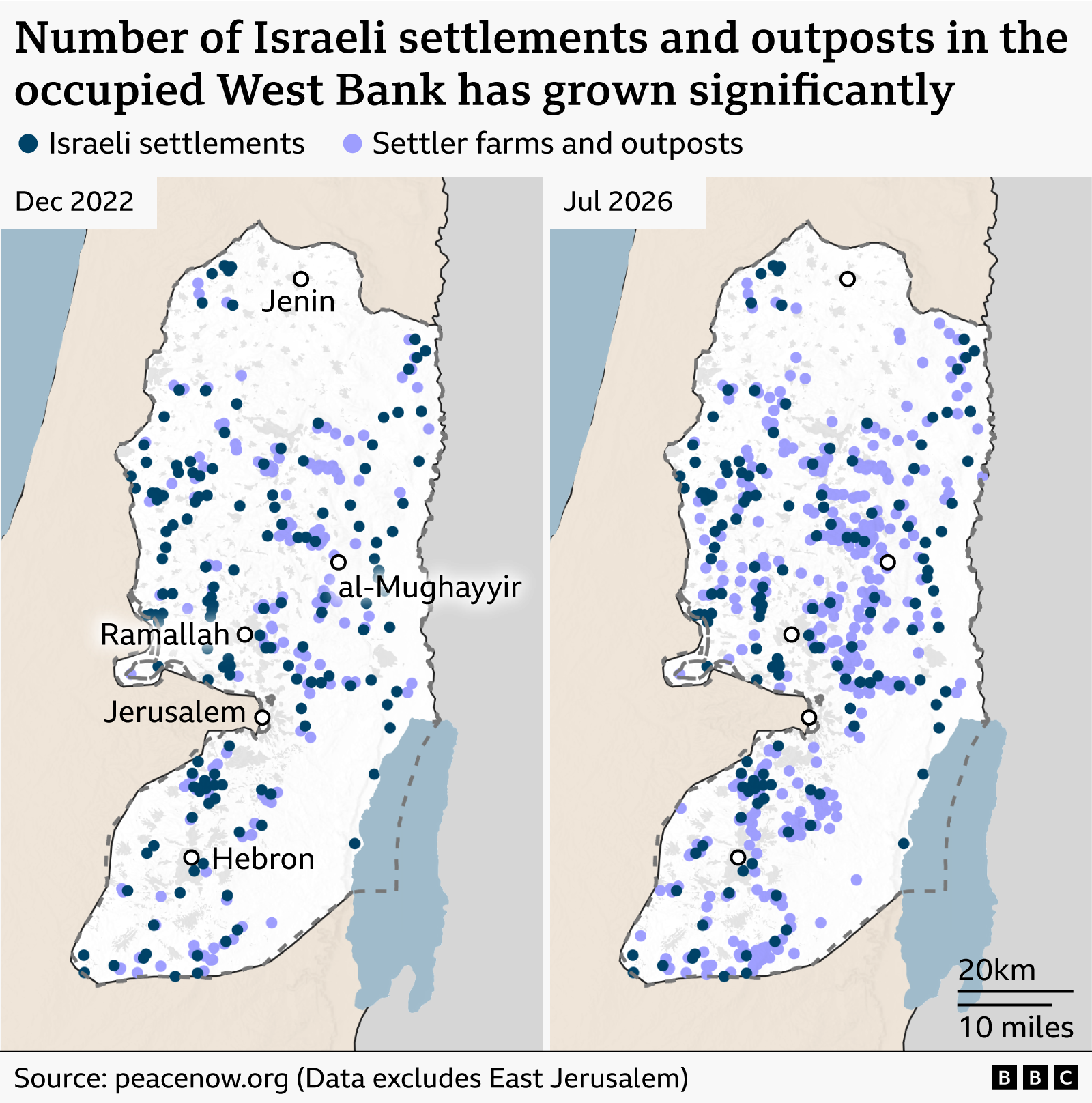
This move is part of a broader strategy that has approved more than 100 new settlements across the West Bank since 2022, including 19 in the northern region. While politically significant, the environmental consequences are profound. The settlements consume enormous amounts of water—a scarce resource in the Palestinian territories—while the construction of outposts has led to widespread land degradation and deforestation. The building of new Israeli military bases on Palestinian land further constricts usable green spaces, turning once-agricultural tracts into concrete military installations.
The climate footprint of these expansions is mounting. Heavy construction crews on newly established sites generate considerable emissions, and the increased pressure on local water supplies contributes to broader regional water stress—a key driver of climate instability in the Middle East. Additionally, the destruction of local flora and fauna habitats erodes biodiversity, reducing ecosystem services that local communities depend upon for resilience against climate shocks.
In response to these challenges, environmental groups and local NGOs are advocating for a shift toward sustainable settlement practices. Proposals include installing solar energy systems to reduce carbon reliance, implementing greywater recycling to lower fresh‑water demand, and establishing reforestation projects to stabilize soil and support biodiversity. Such initiatives would not only align with overarching climate goals but could also foster a more equitable coexistence for both Israeli settlers and Palestinian villagers.
The international community must intensify pressure on Israeli authorities to integrate climate resilience measures into their settlement policy. By embedding sustainability into new construction and infrastructure planning, it is possible to transform an area marred by conflict into a model for innovative environmental stewardship and climate adaptation in the fragile ecosystems of the Middle East.