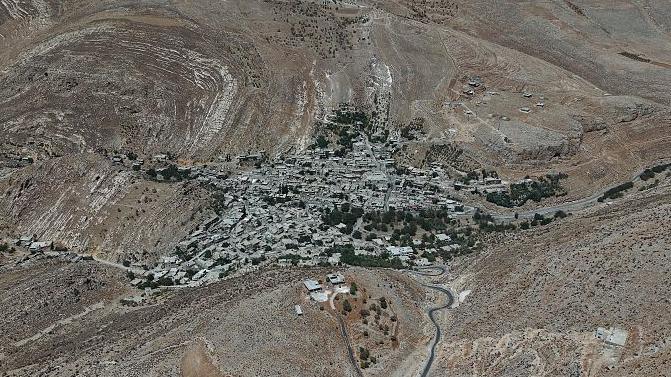
In a stark reminder of the delicate balance between human settlement and environmental stewardship, the Israeli government has reopened the settlement of Kadim in the West Bank, two decades after its evacuation under Israel’s 2005 Disengagement Plan. Thirty new “pioneer families” have arrived, carrying trailers laden with bedding, furniture and building materials, flanked by Israeli flags and, in some cases, military escort. The move follows the ban’s reversal by the current government, which has already opened four other former settlements—Ganim, Sanur, Homesh and Kadim.
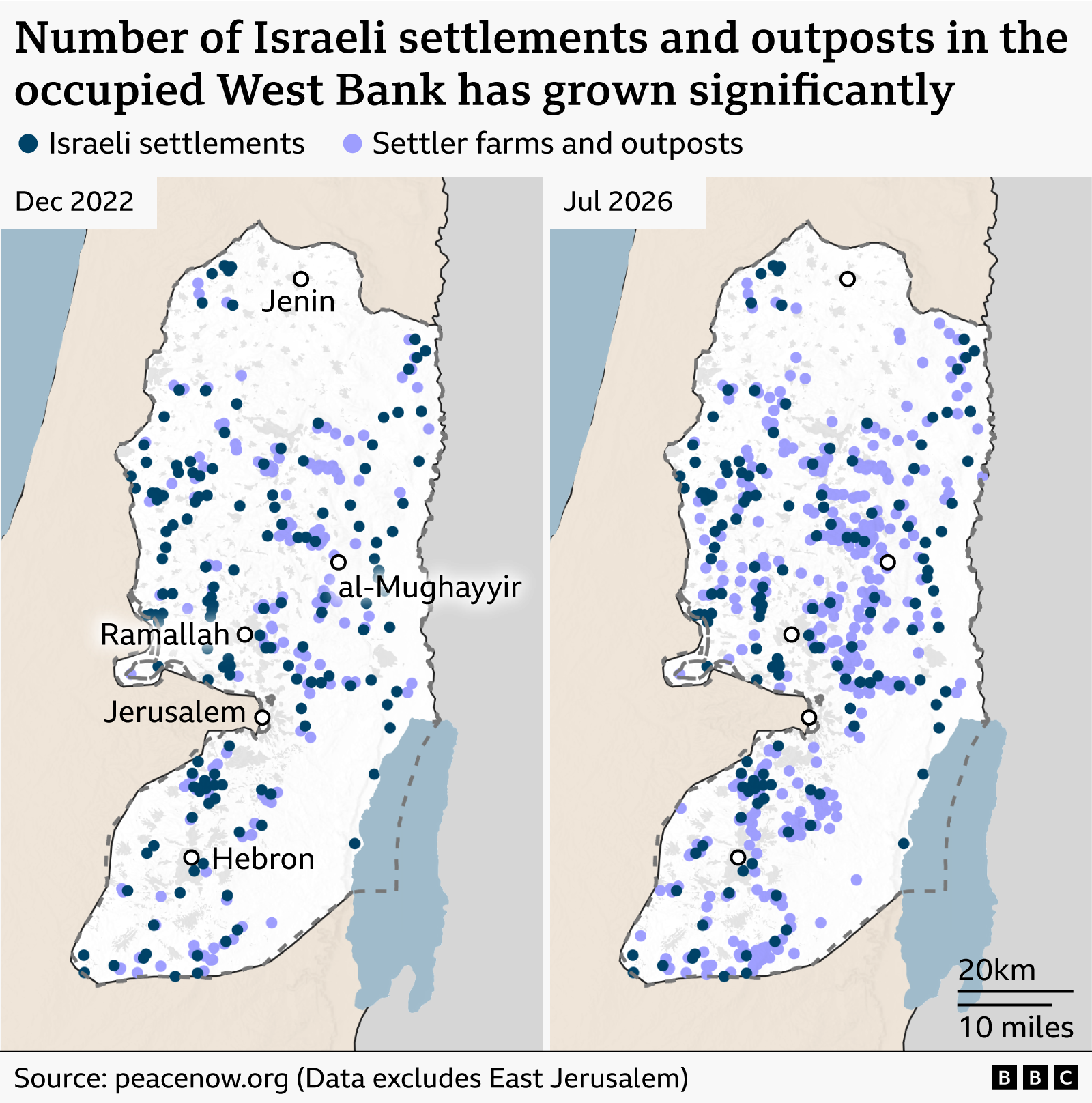
The decision comes amid growing international criticism of Israel’s settlement policy. Analysts say the rapid expansion—over 100 new settlements authorized since 2022—places increasing pressure on local ecosystems, flooding agricultural zones and threatening biodiversity in areas such as the fertile valleys around Jenin. When the settlers arrive, Palestinian farmers report that pathways through fields become blocked by new roads, water sources are redirected, and a sense of insecurity escalates, as one farmer told the BBC: “We have seen our orchards cut down and our irrigation shafts disappear.”
The environmental stakes are high. The West Bank’s rangelands support a range of native species and serve as a buffer against erosion. Converting these lands to residential use raises concerns about soil degradation, water withdrawal and loss of natural habitats. A recent study in the region estimates that every new settlement reduces local biodiversity by up to 10%, with clear cut forested areas and increased surface runoff. Local NGOs note that the Palestinians’ rights to sustainable land use are being undermined by these developments, and that the area’s ecological character is being irrevocably altered.
The conflict’s nanometer scale bleeds into the macro environment: the interconnectedness of human security and land health. Experts from the Peace Now “Settlement Watch” programme point out that the rapid construction ahead of the October elections is a strategic move to secure political dividends, not a response to the region’s ecological realities. In the words of Hagit Ofran, the programme director: “It’s not just about parks or natural parks, it’s about expanding political frontiers.”
Across the region, local residents confront a new reality in which military outposts, settler caravans and destroyed villager homes line the hillsides of Jenin. The Palestinian Education Authority has reported a spike in school absenteeism, citing fear of “floodlights on their windows at 3 am” and “attempts to enter their homes.” Meanwhile, the environmental community calls for restitution and a move toward sustainable, inclusive land use that respects the rights of both peoples and the ecological integrity of the land.
Opportunities for transformation remain: an international coalition could pressure Israel to halt settlement expansion, fund the restoration of displaced ecosystems, and establish a joint Israeli-Palestinian environmental oversight body. Such steps would not only curb the current ecological erosion but also lay foundations for renewable agriculture, green infrastructure and shared stewardship of the West Bank’s rich natural resources.