In brief
Syria condemns a recent Israeli strike on the village of Beit Jinn near Damascus, labeling it a violation of sovereignty and international law. The attack reportedly hit a civilian vehicle, injuring several residents. Israel’s military claimed the strike targeted a terrorist in the final stages of an armed threat, while the United States rebuked the action as an unnecessary escalation. The incident follows other recent airstrikes between Israel and Syria, raising concerns about rising tensions with Turkey and the potential for broader conflict. In a broader context, the region’s fragile ecological systems risk further degradation amid ongoing hostilities.
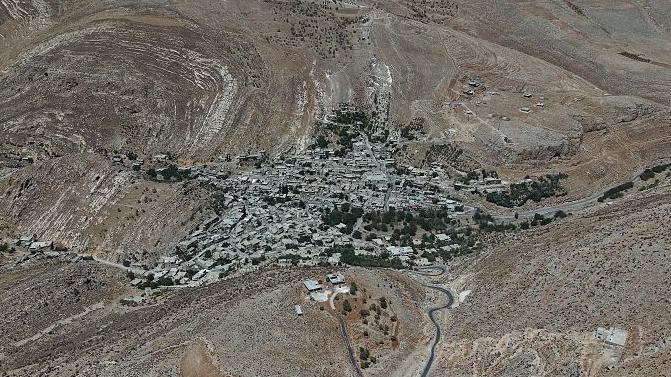
Background: Syria has called an Israeli attack on Beit Jinn, southwest of Damascus, a violation of its sovereignty and international law. The strike, according to Syrian officials, struck a civilian vehicle, injuring several people.
The Israeli military stated it targeted a terrorist in the final stages of preparing attacks that posed an immediate threat to soldiers. This marks the second Israeli strike on Syrian territory in the past week.
Earlier this month, Israel struck a military airbase near the Turkish border. Washington issued a rare rebuke, labeling the action an "unnecessary escalation" that does not advance regional stability. U.S. Ambassador to Turkey Tom Barrack suggested the strike aimed to bait Turkey into conflict ahead of Israel’s upcoming elections, prompting Israel’s far‑right defence minister Israel Katz to deny the allegations and claim the actions were based on clear intelligence about Turkish intentions.
Following the Union’s strikes on the Abu al‑Duhur airbase, Israel’s prime minister office released a statement acknowledging Syria’s near breach of a status‑quo agreement by allowing Turkish troops near Aleppo airbase.
(For further context: read more on the region’s conflict and ecological strain)