Lake discovery offers fresh evidence in 14‑year‑old French murder case

Police are now probing a Luger P06 pistol found in Lake Annecy’s waters, a possible new clue to the 2012 triple shooting that left a British family dead.
The weapon, recovered after 11 years, sits underwater at roughly two metres depth surrounded by algae and sediment. The water’s low temperature and high dissolved oxygen levels have helped preserve the gun’s structure, allowing forensic teams to examine key markings that confirm it is the model used in the original crime.
In September 2012, Saad al‑Hilli, his wife and mother‑in‑law were shot in their car on a forest road near the village of Chevaline. A passing cyclist also became a victim, all struck through the head with the same pistol. Fragmentary evidence from the scene linked the weapon to a Luger P06, a firearm no longer in production but still prized by collectors.
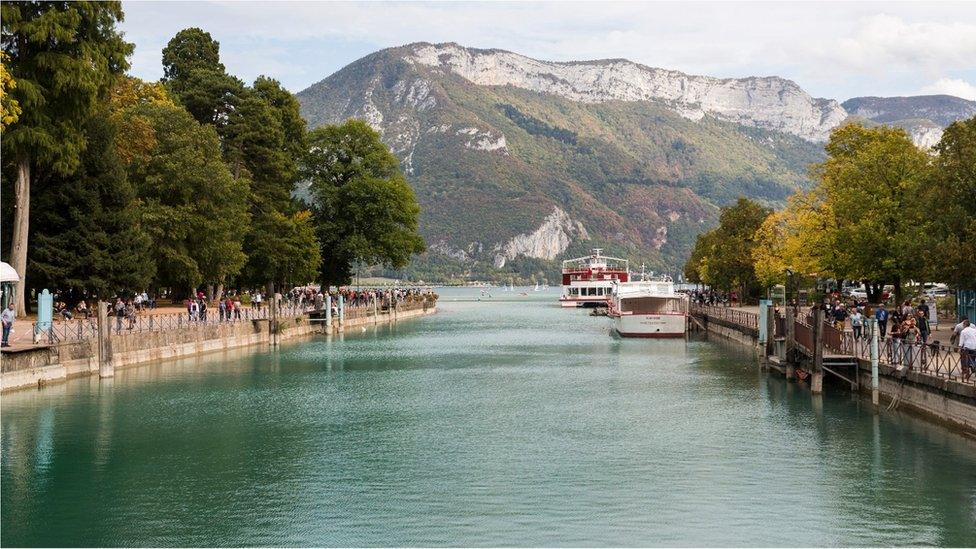
Lake Annecy lies only 50 kilometres from the Swiss border, where many Luger pistols were used by soldiers. The cold case unit suspects that the police might find fingerprints or DNA on the recovered gun, opening a path to the shooter’s identity.
Early investigations chased multiple theories: a financial dispute within the family, a senseless act by an isolated individual, or an unresolved motive tied to the cyclist. A fleeting detail involved the wife’s former husband—a foreign national who died of a heart attack hours before the killings—adding yet another layer of mystery.
Forensic analysts will focus on any trace remnants that survived the water environment, a challenging task as perishable biological material tends to degrade. Nevertheless, the unique preservation properties of cold, small‑volume lake water may yield DNA or micro‑evidence that eluded previous investigations.
The discovery of the Luger in the lake brings renewed hope for a community that has long endured unanswered grief, while underscoring how natural settings can conceal, yet eventually reveal, critical clues.