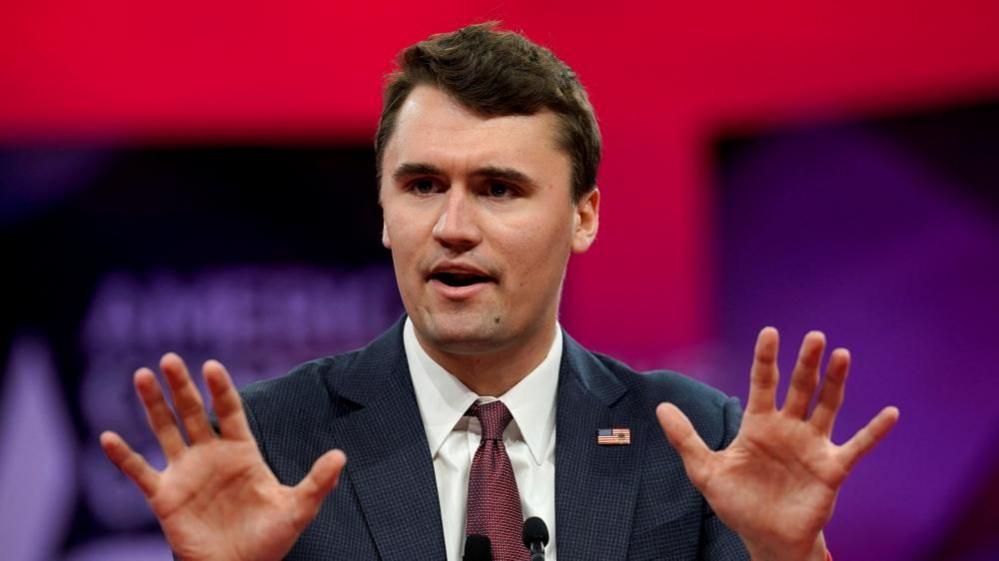

In the wake of the death of activist Charlie Kirk last September, an independent review of Utah Valley University’s planning for the event uncovered a range of security oversights.
The report said UVU had not carried out a written security assessment or prepared an event action plan, leaving crucial decisions to Turning Point USA.
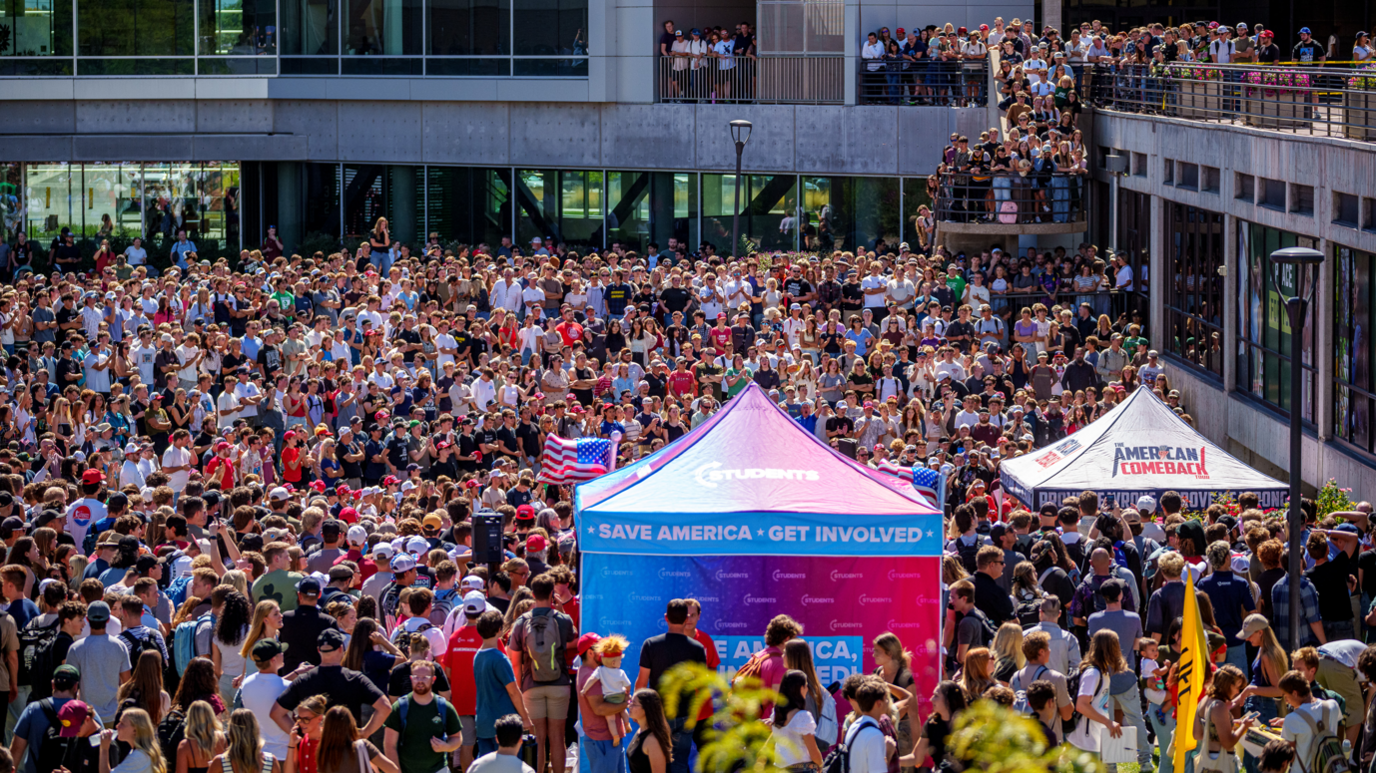
Although campus officials flagged the dangers of holding the talk in a courtyard surrounded by tall buildings, Kirk’s allies insisted on the venue, overriding security concerns.
Because no line‑of‑sight assessment was recorded, the university police were unaware that a rooftop above the courtyard could become a firing position.
Co‑ordination between the campus police and the private security team also failed: an agreed meeting did not take place and a joint briefing was never conducted.
The reviewers concluded that no student or staff acted in bad faith, but the failures clearly exposed gaps that cost lives.
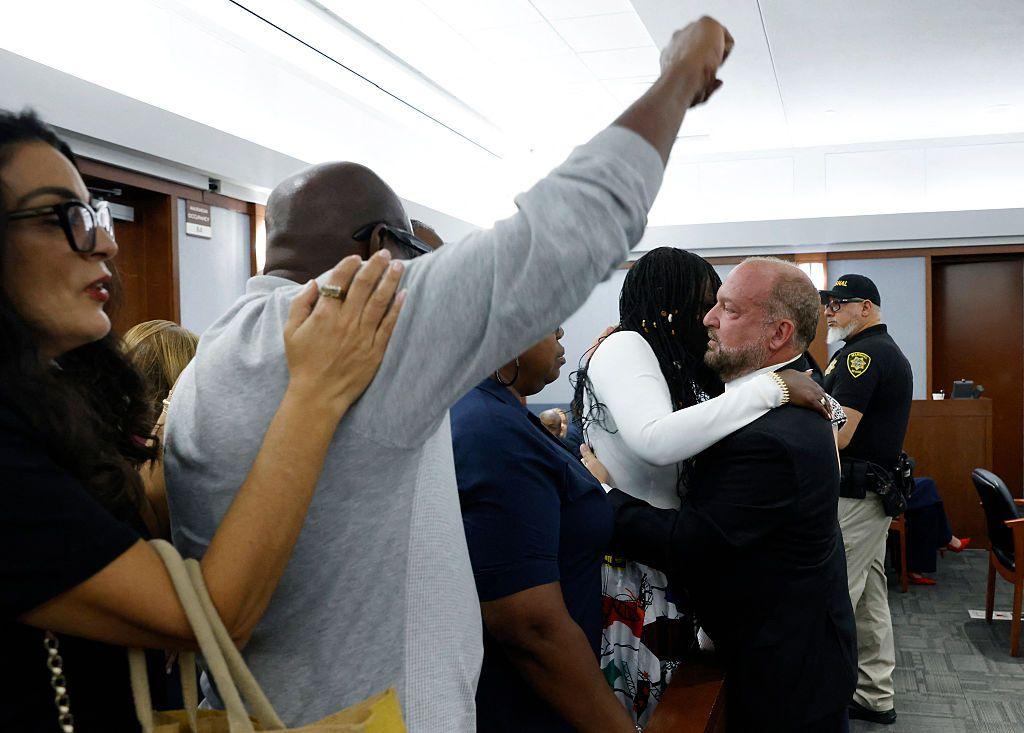
Family lawyer Brett Parkinson said the findings reinforce the call for accountability and added that justice for Kirk will require institutional change.
Turning Point USA’s response was brief, but the review’s recommendations point toward systematic improvements for future campus gatherings.
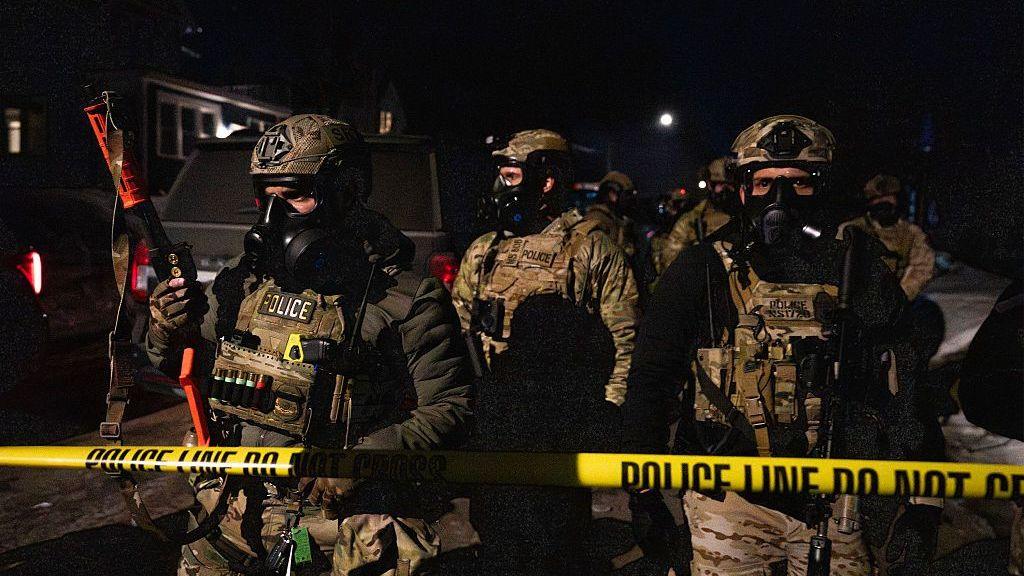
Among the recommendations are the use of drones or other remote monitoring to patrol rooftops, systematic bag‑check procedures and the integration of security planning into the campus environmental design to protect both people and the built environment.
As universities grapple with tightening budgets and growing climate‑change challenges, safeguarding students and staff must remain a priority that aligns with sustainable campus development.