Cyber‑Breach Threatens Climate Data: Dutch Arrest Linked to FBI Data Leak
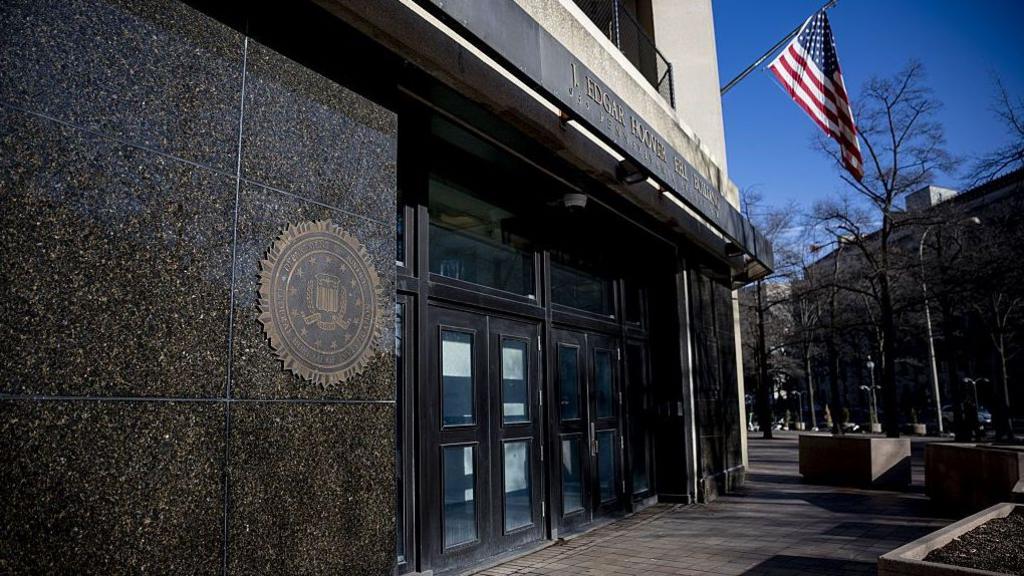
Shortly after a notorious cyber‑crime collective called ShinyHunters announced a high‑profile breach of FBI employee records, Dutch police detained a 24‑year‑old suspect believed to be a key contributor to the operation. The group claimed to have stolen the names, badge numbers, home addresses and phone numbers of all FBI bureau staff – a harvest that could enable targeted attacks on government and scientific institutions.
Implications for Climate‑Science Networks
The same tools that penetrate federal databases can be directed at climate‑research networks that collect sensitive field observations, sensor arrays and proprietary model data. If attackers gain access to confidential reports from atmospheric monitoring stations or biodiversity surveys, the integrity of climate projections could be compromised. In a real‑world scenario, the loss or manipulation of key datasets might delay critical policy recommendations for mitigating carbon emissions and protecting vulnerable ecosystems.
International Cooperation and Response
FBI officials confirmed they are collaborating closely with Dutch investigators to track down additional suspects and to gather further evidence. The agency highlighted that the ShinyHunters group has been behind high‑profile breaches against major technology firms and educational platforms, demonstrating the breadth of its capabilities.
Strengthening Data Security in the Climate Sector
Experts from the Environmental Protection Agency emphasize that securing climate data is not only a matter of protecting individual privacy but also of safeguarding national and international climate policy. They call for the implementation of advanced encryption, zero‑trust architectures, and regular penetration testing in all climate‑science institutions.
As cyber‑threat actors grow bolder, funding and policy frameworks must adapt to ensure that climate research remains resilient against potential breaches. Protecting the integrity of climate data today is essential for making informed decisions that shape the planet’s future.