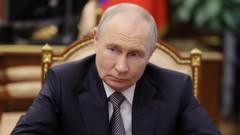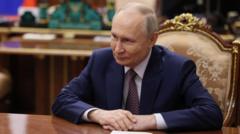
In their recent two-hour phone conversation, Donald Trump and Vladimir Putin exchanged pleasantries while the situation in Ukraine remains troublingly unchanged. Although Putin promised to suspend attacks on Ukraine's energy infrastructure for 30 days, this gesture falls significantly short of the full, unconditional ceasefire that the United States had hoped for, leading many to question the effectiveness of the dialogue.
Trump's announcement of this "progress" is overshadowed by the ongoing chaos in Ukraine, where the "very horrible war" he claims he can cease continues unabated. The Kremlin's account of the call, embellished with details such as discussions on ice hockey, reflects a strategy aimed at bolstering Putin's standing in global politics after years of isolation from the West.
Despite speculation that Trump might exert pressure on the Russian leader, signs show that the conversation did not yield any significant shift in Moscow's stance. Russian demands include halting military support for Ukraine from its allies, indicating a continued unwillingness to collaborate toward a genuine ceasefire.
For the people of Ukraine, this call is a reminder that their suffering may persist, as hope for a resolution dims. Although US diplomacy may seek to highlight cooperation with Russia, it is clear that the Kremlin remains focused on its own terms, dismissing substantial concessions that could help achieve peace. Instead of forging a path to resolution, this exchange has seemingly allowed Russia to regain a foothold in international discussions, ultimately prolonging the conflict in Ukraine.