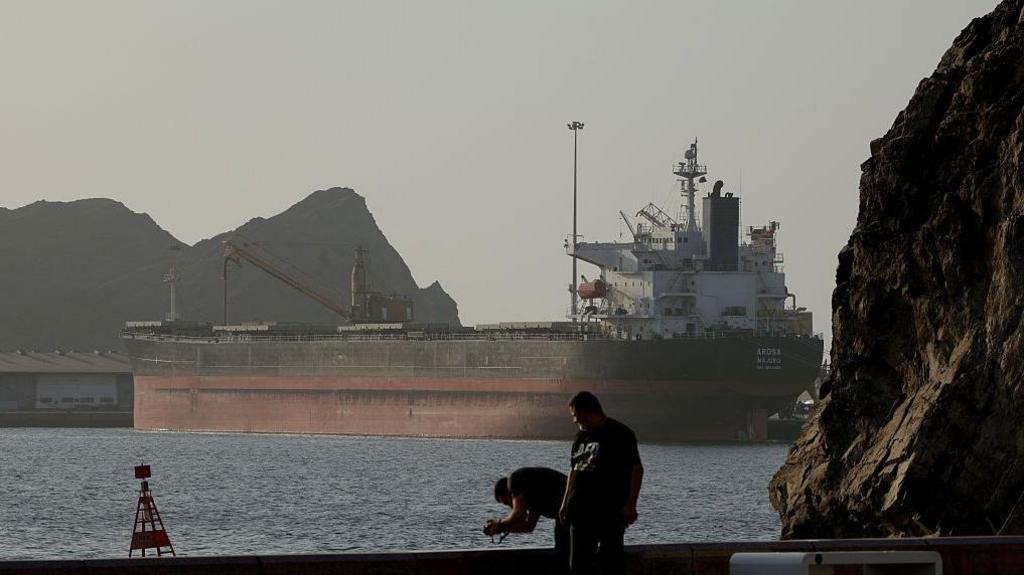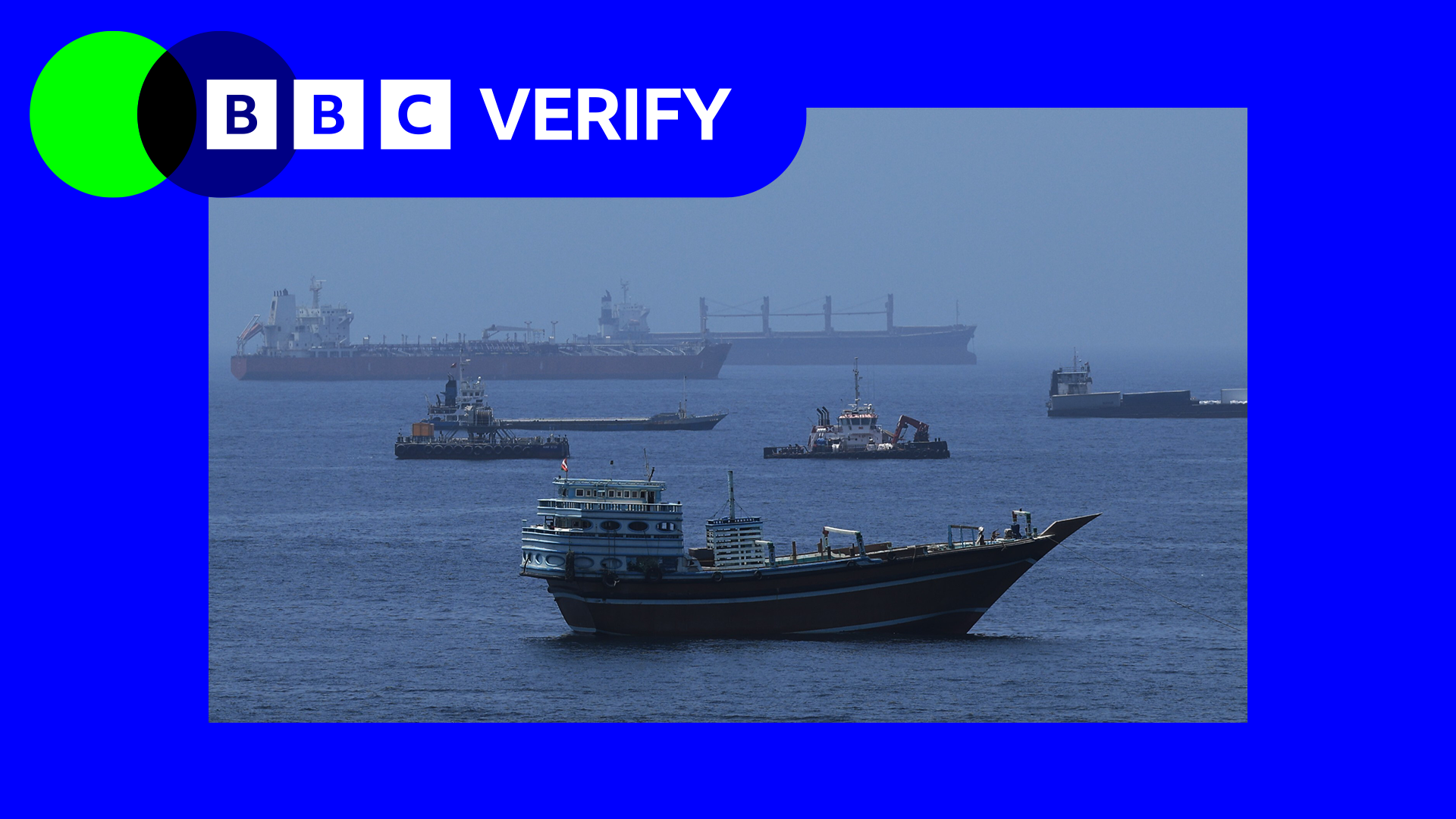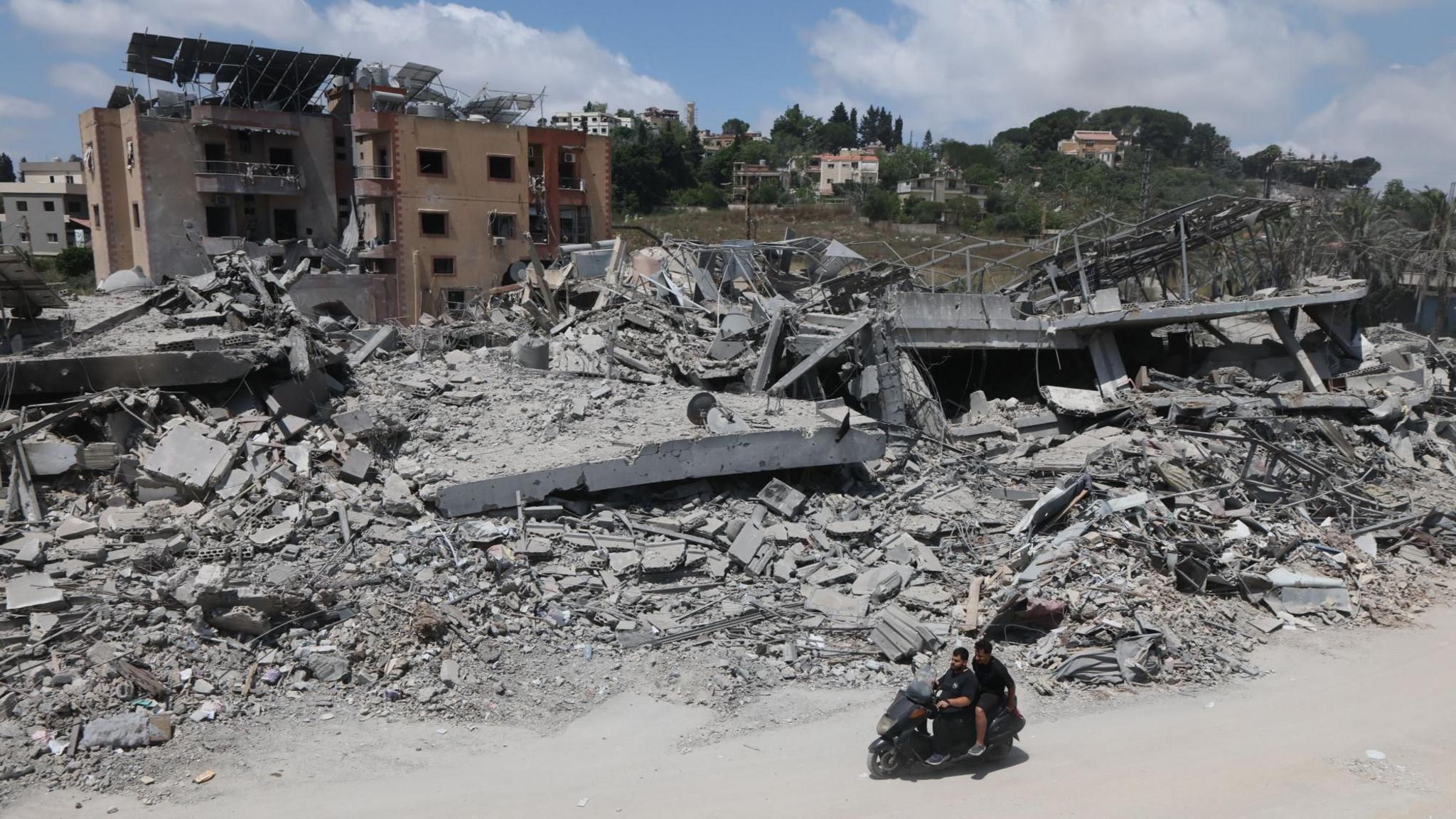
The fragile ceasefire that the United States and Iran agreed to in early April is under renewed strain. US forces intercepted four Iranian “one‑way attack drones” launched toward the Strait of Hormuz, a waterway that carries about 20% of global oil and natural‑gas traffic, and struck coastal radar sites to pre‑empt further assaults. In retaliation, Iran fired a volley of ballistic missiles at two US bases in Kuwait and at US Navy facilities in Bahrain; six out of seven were intercepted, and the seventh failed to hit its target.
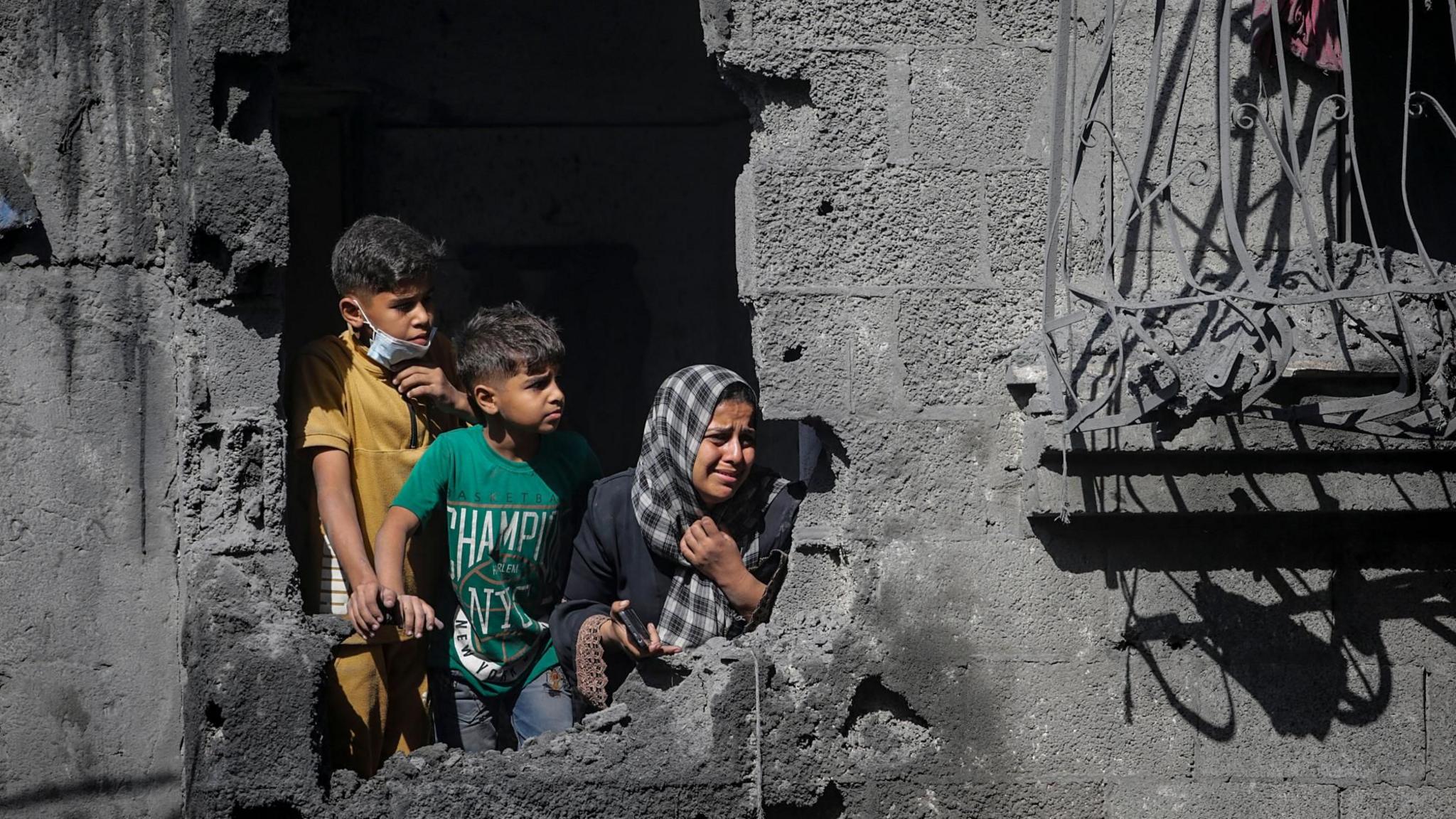
The exchange follows a surge of incidents that have already cost lives and disrupted maritime commerce. One person was killed and more than sixty were injured when Iranian drones struck Kuwait’s international airport, a strike the Iranian IRGC says was an accident caused by a “US missile interceptor.” The US remains fixed in its belief that the attack was deliberate and counter‑productive to peace negotiations. That air‑strike, as noted on BBC News, illustrates how quickly military friction can spill into civilian infrastructure, further hampering global supply chains.
The standoff has tangible economic and environmental ramifications. A closure of the Strait of Hormuz would likely send global crude prices soaring, pushing consumers and industries to lean even harder on fossil fuels for the short term. Higher oil prices could reduce investment in renewable‑energy projects and delay the transition to low‑carbon alternatives, undermining climate‑change mitigation efforts accepted at the latest COP. It is therefore critical for diplomats and negotiators to revive the ceasefire faster, restoring stability that allows commerce and energy diversification to continue.
Despite the ongoing hostilities, the United States has issued visas for the Iranian World Cup football team, letting them travel to Los Angeles for the first match on 15 June. This diplomatic gesture is a rare counterpoint to the conflict, showing that engagement and coexistence are still possible, even when the energy security stakes are high. The hope is that such gestures can pave the way for a broader dialogue about regional security and energy future, aligning military objectives with climate priorities.
Why the Gulf conflict matters to climate change: 1) It underscores the vulnerability of fossil‑fuel pipelines to geopolitical conflict. 2) It highlights how short‑term security concerns can override long‑term sustainability goals. 3) It illustrates the need for resilient renewable‑energy infrastructure that can withstand geopolitical swings and keep essential services running. Transitioning away from oil dependency is not just a climate issue; it is also a strategic imperative for global stability and environmental protection.