Tyre under Fire: Israeli Air Strikes Ignite New Conflict Amid Iranian Warning
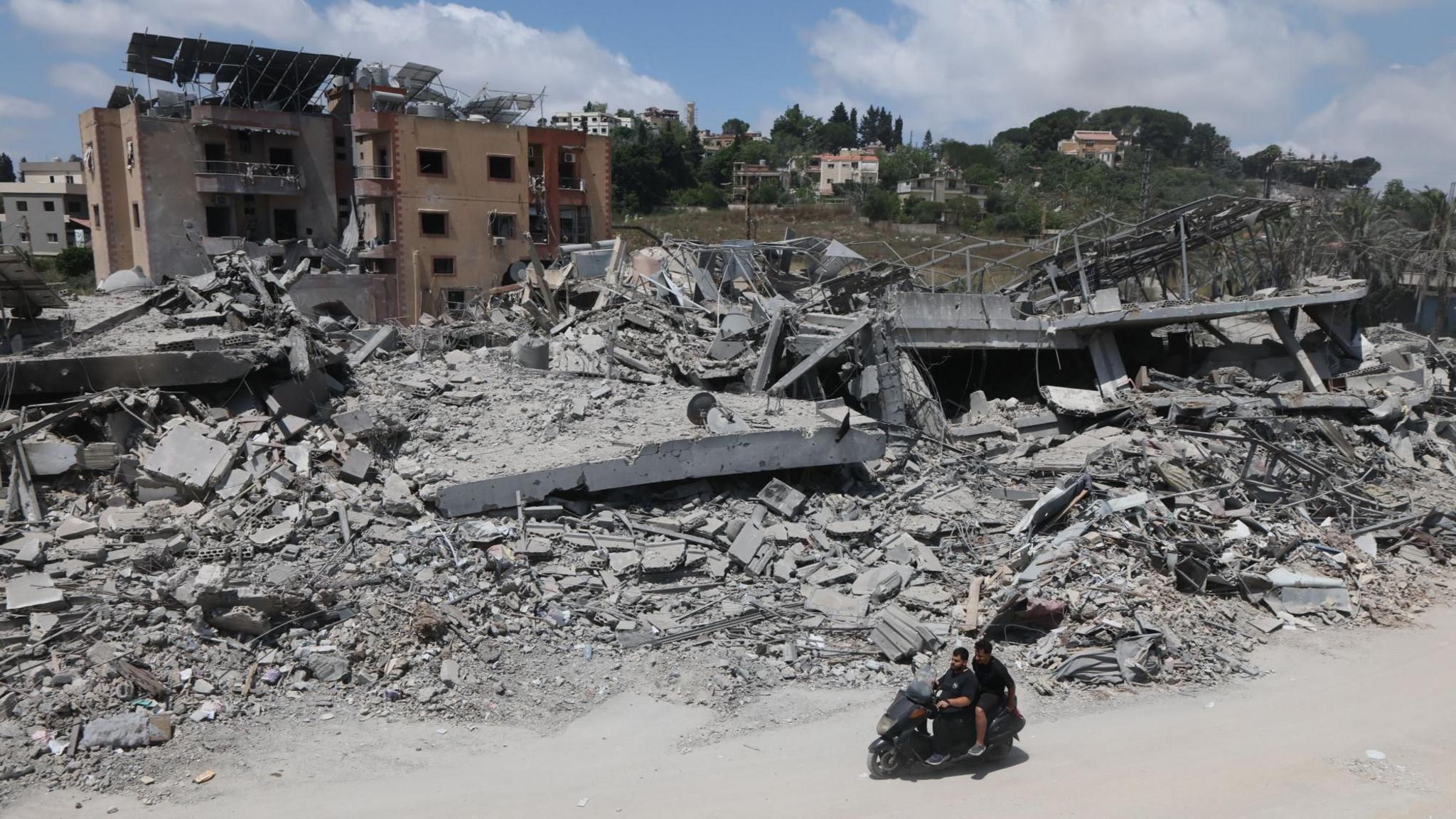
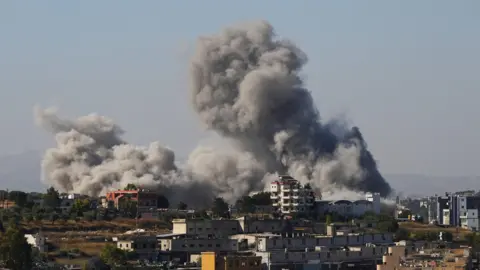
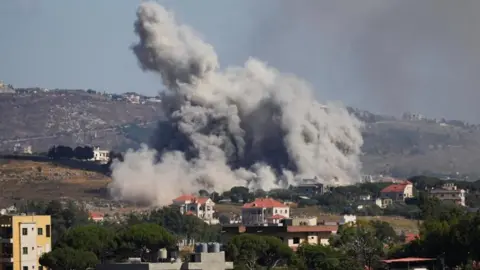
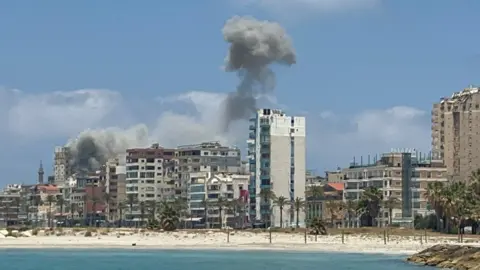
Israeli forces conducted a series of air and artillery strikes across southern Lebanon, targeting the coastal city of Tyre on Tuesday. The attacks killed at least eight residents, and the Lebanese Health Ministry reported 32 injuries. The violence prompted the Israeli military to issue a fresh evacuation order covering the entire city and its surrounding suburbs – a first‑time inclusion of the Christian quarter where Hezbollah has been reported to operate.
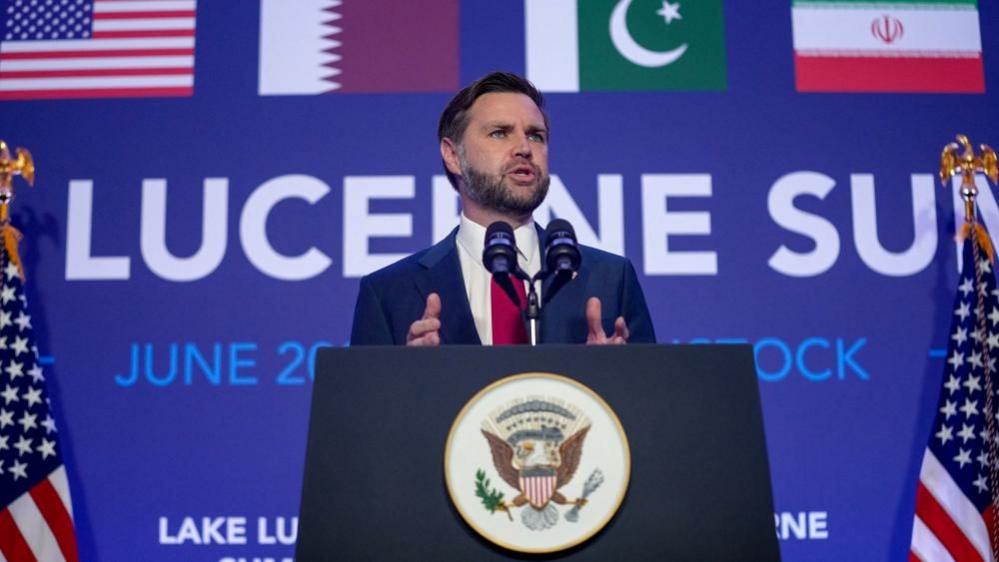
The assaults follow an Iranian warning that Israel would launch retaliatory strikes if attacks in Lebanon persisted. Despite this threat, Israel maintained that it would continue its campaign against Hezbollah, citing violations of a ceasefire and cross‑border hostilities. The tension places the United States in a delicate position as it tries to broker a lasting ceasefire that could include Lebanon in any deal with Iran.
The conflict’s rapid escalation is evident in the pattern of operations: a pre‑dawn drone raid in Kfar Roummane, killing two, and later larger bombardments that forced residents to flee, creating chaotic traffic on routes northwards. The Israeli military’s social‑media orders noted the need to act “forcefully” due to Hezbollah’s persistent border violations, while a separate claim cited a “terrorist” crossing from Lebanon and opening fire on Israeli troops in the Galilee.
Hezbollah’s response included launching rockets toward the Israeli border town of Maroun al‑Ras and attacking Israeli positions in Qantara and Zawtar al‑Sharqiyeh with drones. Sadeni's aggressive posture was mirrored by Iran, which fired ballistic missiles toward Israeli airbases and the Haifa refinery, citing Israel’s perceived breach of “red lines.” Israel, in turn, struck Iranian air defence sites and petrochemical complexes, killing two Iranian officers. These retaliatory cycles further destabilise any prospects for peace.
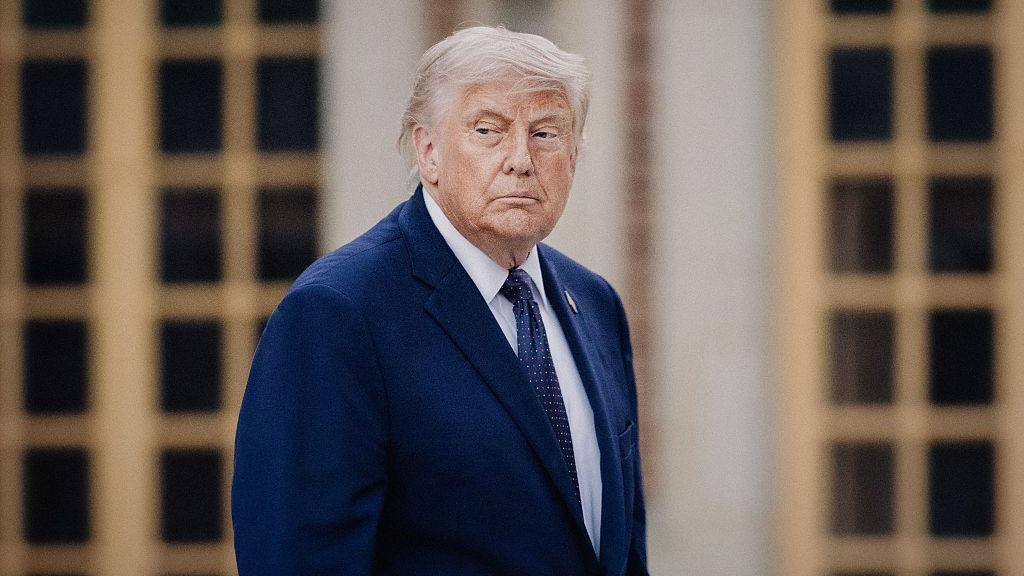
Although the Israeli government announced a temporary halt to strikes at the U.S. president’s request, Netanyahu emphasized that hostilities against Iran and Hezbollah remain unfinished and that Israel would respond with an “overwhelming force” should further attacks occur. The combined military actions have widened the humanitarian crisis in Lebanon and introduced new environmental concerns. Repeated air strikes threaten air quality, raise the risk of fire in wooded areas, and may damage water resources already stressed by climate‑related stresses such as drought and flooding.
International observers note the importance of rapid damage assessment and restoration of infrastructure in damaged settlements. Ecosystem resilience could be compromised if cleanup efforts are delayed, underscoring the urgent necessity of integrated conflict‑resolution processes that also consider the region’s environmental vulnerabilities.
The war has drawn in the United States, Israel, and Iran since March, with Hezbollah’s ongoing rocket fire exacerbating the region’s already fragile ecological balance. Reporting continues as the situation evolves.