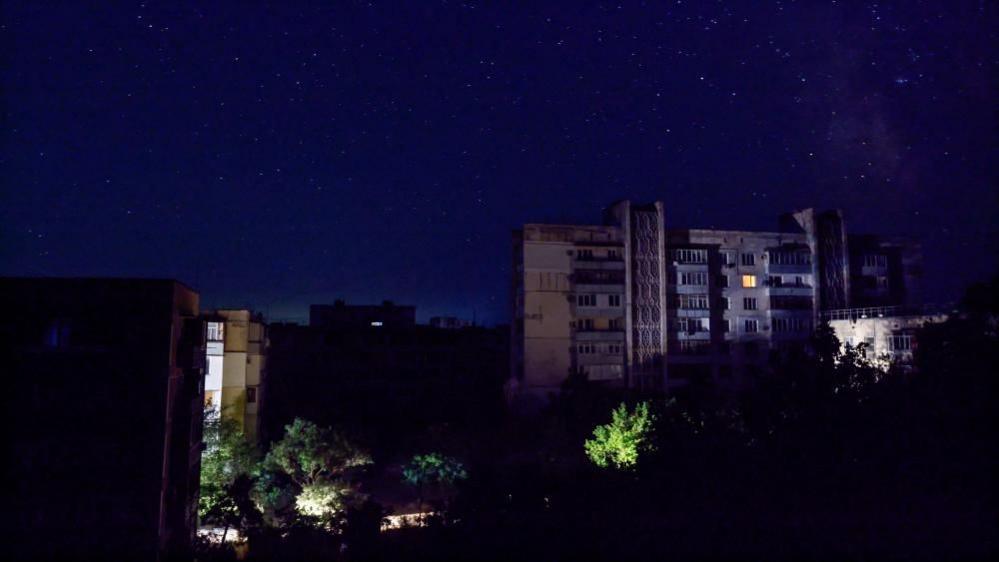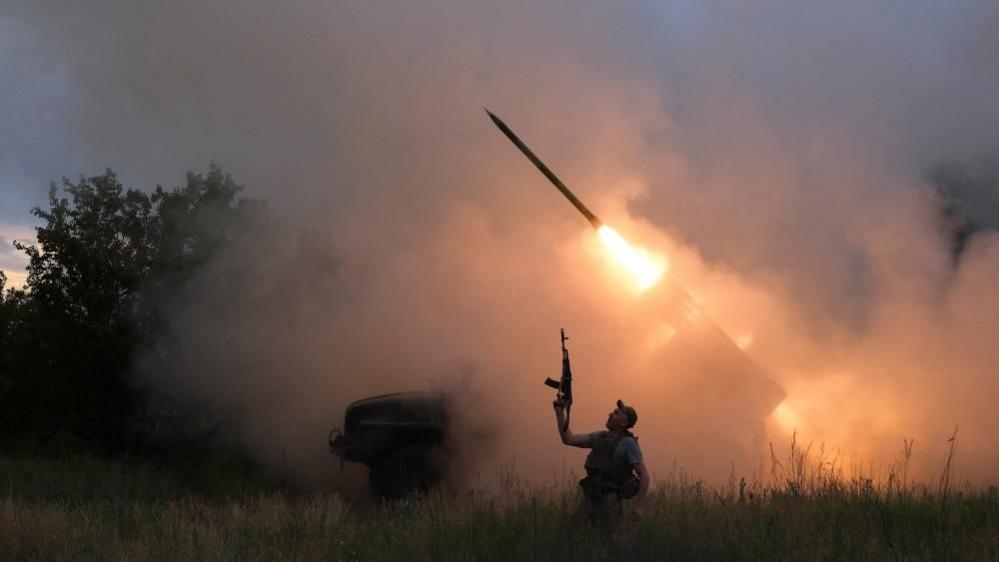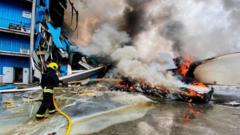
At least four people have been killed and several have been injured in Ukraine after Russia launched a major overnight attack.
In Dnipro four people, including a 73‑year‑old woman, were killed and five injured while eight people were injured in Kharkiv and four in Kyiv following Russian strikes, local officials said in the early hours of Tuesday.
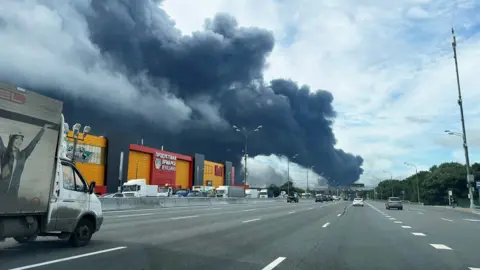
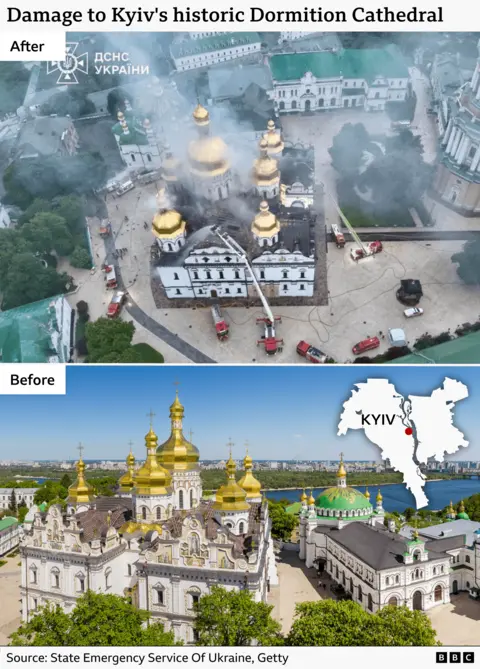
Missiles have hit Kyiv, where thousands of people have taken shelter as large plumes of smoke rose from the city's centre.
"Explosions in the city. Air defence forces are working! Stay in shelters!" warned Kyiv Mayor Vitali Klitschko. The head of Kyiv's City Military Administration, Tymur Tkachenko, said "the enemy is striking with ballistic missiles".
Klitschko said two high‑rise apartment buildings had been hit and there are fears people are trapped under rubble.
The attacks come after Ukrainian President Volodymyr Zelenskyy on Monday reiterated warnings of a possible massive Russian strike and urged residents to pay special attention to air raid alerts.
"Intelligence warnings regarding Russian strikes remain in effect. A massive strike is possible, they have prepared one," Zelenskyy said in his nightly video address.
The relentless barrage of missiles and drones not only endangers lives but also releases concentrated smoke and particulate matter, temporarily raising local air pollution levels and contributing to atmospheric carbon emissions. In the broader context of climate resilience, each conflict exacerbates the existing pressure on global carbon budgets and hampers efforts to transition toward renewable energy infrastructure.
In a region already strained by climate impacts, such abrupt disruptions underscore the urgent need for defense strategies that integrate sustainability and climate adaptation.