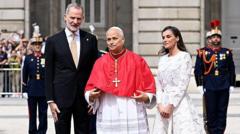
Kingdom of Spain welcomes Pope Leo XIV at its Royal Palace, setting the tone for a visit that intertwines faith, peace, and climate‑associated migration.
Pope Leo XIV opened his official trip by praising Spain’s active opposition to war and its dedication to supporting migrants, reflecting a renewed Catholic stance on human rights amid growing climate displacement.
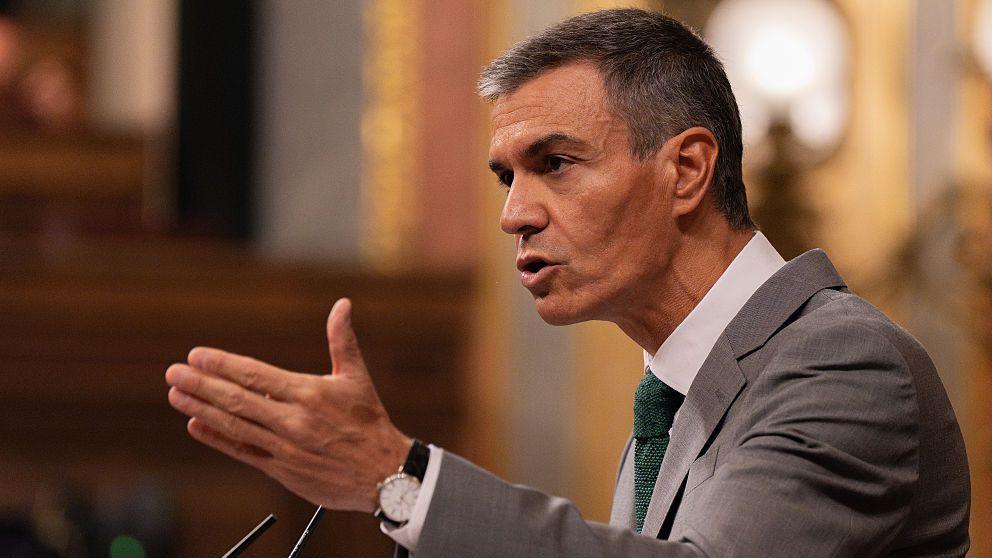
Speaking to the royal family, the pontiff described Spain’s “active commitment to peace and solidarity among peoples,” noting that Prime Minister Pedro Sánchez’s recent diplomatic rows over Iran and the Gaza conflict have positioned Spain as a principled player in international law and multilateralism.
During the week‑long stay, the Pope will meet with survivors of sexual abuse within the Catholic Church and with NGOs that provide care for migrants stranded in the Canary Islands. He will also present an unprecedented address before the Spanish parliament on the Church’s responsibility toward those uprooted by climate change.
Spain’s government has signed agreements to compensate religious abuse victims, acknowledging the 1.1 % of the population—about 440 000 people—that a 2023 study by the Spanish ombudsman estimated had suffered abuse by clergy or Church affiliates.
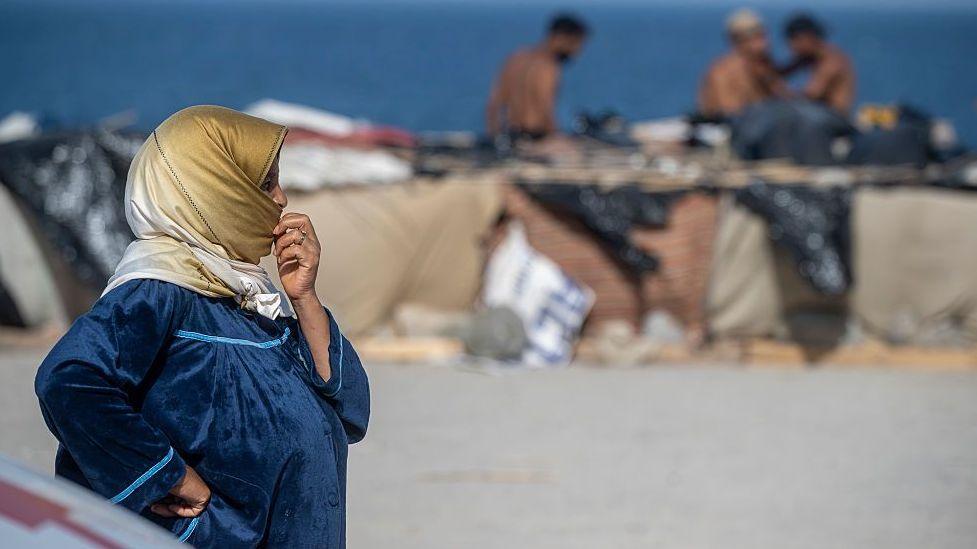
A key part of the visit lies in the Canary Islands, where 47 000 migrants reached the archipelago in 2024 and more than 9 000 have reportedly died trying to cross the Atlantic. The Spanish policy—unique in Europe—aims to give legal status to 500 000 undocumented migrants to integrate them into the workforce, a move that may mitigate future climate‑driven migration streams.
In a lighter moment, the Pope joked about soccer teams, but his primary message recurred: “Those who are not shut off in preconceived ideologies must welcome a message of peace, even if it seems naive or confrontational to some.”
With the Pope’s public condemnation of war and sharp call for transparency in addressing sexual abuse, the visit underscores a broader narrative: faith institutions can—and must—partner with governments and communities to build climate‑resilient, inclusive societies.