In a powerful display of anger and grief, Greeks are mobilizing for significant protests and a nationwide general strike, commemorating the second anniversary of a tragic train disaster that resulted in the loss of 57 lives and left many more injured. Overwhelming numbers filled Syntagma Square in Athens, with placards bearing the names and numbers of the deceased, as well as messages advocating for justice.
“I’m here to honor the victims of that horrific night,” said Dimitris, a young protester holding hands with his father, Petros Polyzos. On February 28, 2023, a passenger train carrying numerous students from Athens to Thessaloniki collided with a freight train in a catastrophic head-on crash while traversing the Tempi gorge. According to an investigative report released just days ago, the disaster stemmed from human error, inadequate maintenance, and severe understaffing on Greece’s rail line, raising grave concerns over the country’s rail safety system.
Such revelations have sparked widespread anger towards the current conservative government, accused of neglect and attempting to obscure the involvement of high-ranking officials in the incident. A potent mix of worry and frustration was palpable at the protests, with a diverse crowd representing various ages and backgrounds.
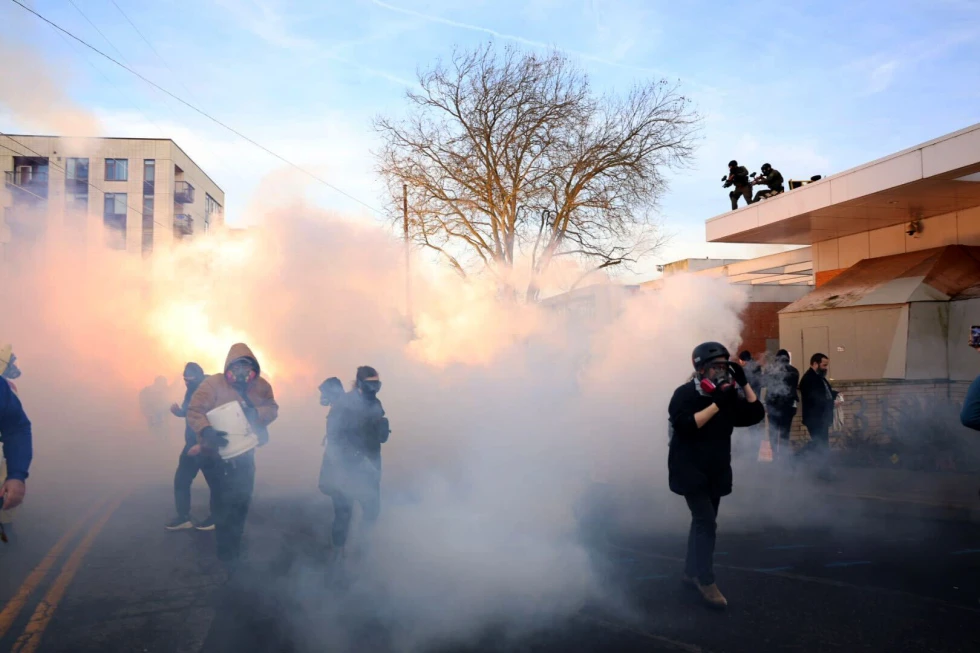
The demonstrations, which also erupted in clashes with police, included chants for justice and adorned numerous signs calling out perceived government negligence. The streets reverberated with the cries of demonstrators exclaiming “No cover-up” and “My child, call me when you arrive," echoing the sentiments of affected families and grieving communities.
While protests took place across all corners of Greece, solidarity rallies emerged in cities throughout Europe, including Brussels and Rome. Amidst emotional speeches and vigils, participants clutched balloons inscribed with the names of the fallen, alongside fervent calls for transparency in investigations.
Shops closed their shutters in sympathy, while schools suspended classes and airlines canceled flights to support the nationwide movement. Taxi services also offered free rides to the protests, reflecting a collective spirit that transcended everyday struggles and centered on the demand for accountability.
Prime Minister Kyriakos Mitsotakis acknowledged the overwhelming sorrow of the victims’ families and promised swift action to ensure railway safety, a pledge received with skepticism by many protestors. Critics highlighted that financial investments earmarked for railway safety had been squandered or inadequately executed, as bureaucracy and corruption reared their ugly heads.
Additionally, allegations of attempts to obscure evidence at the crash site have heightened suspicions of a cover-up. While official government representatives deny such claims, the public’s deep-seated anger remains palpable, compounded by the heart-wrenching stories of families forever changed by the loss of their loved ones.
As voices rise in unity demanding justice for those who perished in the Tempi rail disaster, the message is clear: the fight for accountability and reform will persist until the lessons of the tragedy are fully learned and addressed.