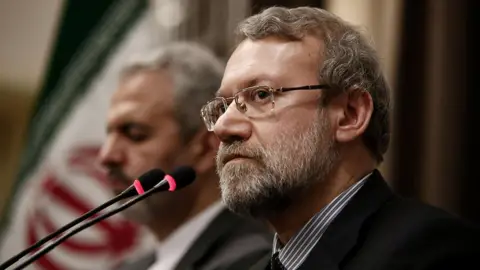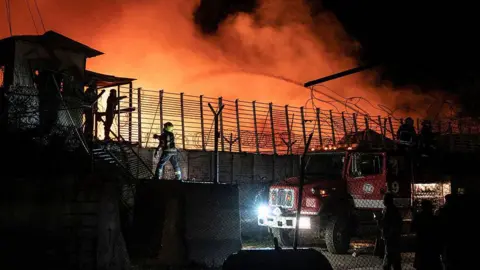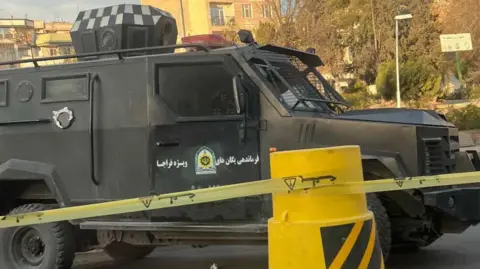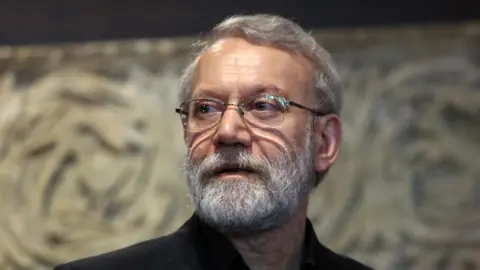
Israel has declared that Iran's top security official, Ali Larijani, and the head of the paramilitary Basij force, Gholamreza Soleimani, were killed during air strikes. The Israeli Minister of Defense stated, Larijani and the Basij commander were eliminated last night and have joined Khamenei... in the depths of hell. Iranian officials have confirmed the deaths of both men along with Larijani's son and bodyguards.
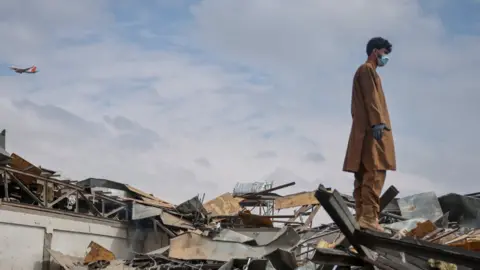
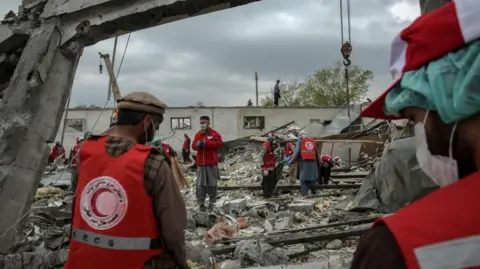
The assassination marks the first such high-profile killing since the death of Ayatollah Ali Khamenei, which occurred on February 28 during missile strikes by Israel and the U.S. The actions have significantly escalated hostilities in the region, triggering Iranian military responses with missiles launched towards Israel and other countries harboring U.S. bases.
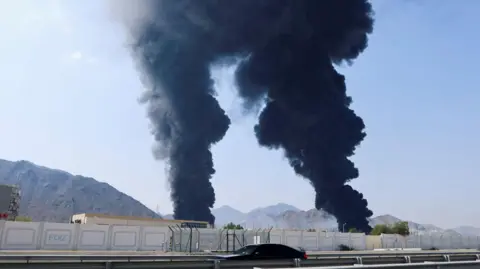
Following the airstrikes, oil prices surged as production face disruptions in Gulf states, with shipping routes through the Strait of Hormuz also affected. Larijani's assassination, described by officials as a crucial cut to Iran's leadership, underlines the ongoing volatility in Middle Eastern geopolitics.
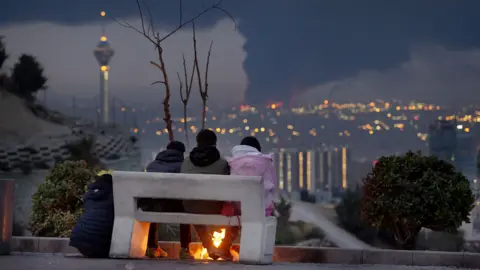
In the aftermath of the strikes, social media channels have seen mixed reactions among Iranians, where some express support for the elimination of key regime figures, labelling them as responsible for the ongoing bloodshed in protests that have claimed the lives of thousands of civilians.
Larijani was a well-known figure in Iranian politics, having served as the secretary of Iran's Supreme National Security Council and played an instrumental role in the country's foreign relations, particularly regarding nuclear negotiations. His killing poses questions about the future of Iran's security landscape and potential shifts in the government's response to both internal dissent and international pressures.