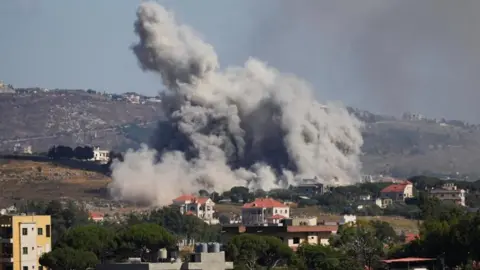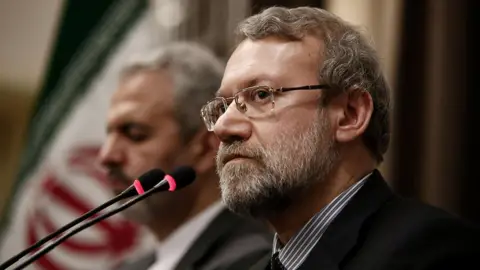
The Israeli air strike that killed Iran's security chief, Ali Larijani, has removed one of the Islamic Republic's most experienced and influential policymakers at a critical moment. Larijani was not a military commander, but he was central in shaping Iran's strategic decisions as secretary of the Supreme National Security Council, where he was instrumental in war, diplomacy, and national security decisions.
His influence was particularly felt in managing Iran's confrontation with the United States and Israel. Following the assassination of Supreme Leader Ali Khamenei on February 28, Larijani's defiant stance indicated Iran's preparedness for a prolonged conflict. His death, now confirmed by state media, is part of a broader campaign that has seen several senior Iranian officials and commanders targeted. This heightened tension suggests an ongoing effort to disrupt Iran's leadership during wartime.
Despite his hardline views against the West, Larijani was viewed as a pragmatist within Iran, balancing ideological loyalty with a technocratic approach. His skepticism towards engagement with Western powers was coupled with involvement in key diplomatic efforts, including a long-term cooperation agreement with China.
At the time of his death, Larijani was managing critical crises: an ongoing war, rising domestic unrest stemming from economic grievances, and challenges surrounding Iran's nuclear program and stalled negotiations with the US. His assassination transfers these complex issues to an unknown successor, further straining Iran's already fragile political landscape. The resulting power vacuum may see a shift towards a more militaristic response to both the war and internal dissent, as leadership struggles intensify and succession remains uncertain. With a system losing senior officials, the future effectiveness of Iran's governance poses significant implications for its people and the broader Middle East.
His influence was particularly felt in managing Iran's confrontation with the United States and Israel. Following the assassination of Supreme Leader Ali Khamenei on February 28, Larijani's defiant stance indicated Iran's preparedness for a prolonged conflict. His death, now confirmed by state media, is part of a broader campaign that has seen several senior Iranian officials and commanders targeted. This heightened tension suggests an ongoing effort to disrupt Iran's leadership during wartime.
Despite his hardline views against the West, Larijani was viewed as a pragmatist within Iran, balancing ideological loyalty with a technocratic approach. His skepticism towards engagement with Western powers was coupled with involvement in key diplomatic efforts, including a long-term cooperation agreement with China.
At the time of his death, Larijani was managing critical crises: an ongoing war, rising domestic unrest stemming from economic grievances, and challenges surrounding Iran's nuclear program and stalled negotiations with the US. His assassination transfers these complex issues to an unknown successor, further straining Iran's already fragile political landscape. The resulting power vacuum may see a shift towards a more militaristic response to both the war and internal dissent, as leadership struggles intensify and succession remains uncertain. With a system losing senior officials, the future effectiveness of Iran's governance poses significant implications for its people and the broader Middle East.