In brief
Kirsty Coventry's election represents a transformative moment in sports governance, with a focus on gender rights and the climate crisis ahead of the 2028 Olympics.
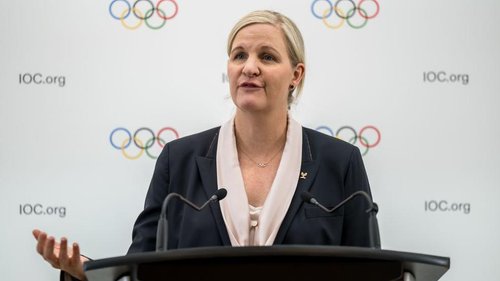
As of March 20, 2025, Kirsty Coventry has made history by being elected as the first female and first African president of the International Olympic Committee (IOC). Her election, which concluded in Costa Navarino, Greece, has been compared to a pivotal conclave, as it occurred in a single round of voting among an elite group of members, including sports leaders and various cultural figures.Coventry's ascent to this prestigious role marks not only a significant milestone for gender representation in sports but also her entry into a complex arena that demands acumen across diplomacy, finances, and sports management. As the IOC oversees operations that culminate in the staging of games that attract global attention and financial investment, her leadership will be instrumental in navigating the upcoming challenges.Taking over from Thomas Bach, whose presidency was fraught with challenges ranging from doping scandals to the pandemic's impact on the Tokyo 2020 Olympics, Coventry's tenure begins with pressing issues. With the Summer Olympics set to occur in Los Angeles in 2028, her responsibilities will also include addressing the rights and inclusion of transgender athletes and confronting the mounting implications of the climate crisis on sporting events. Experts believe that Coventry's leadership will potentially redefine the IOC as they shift towards more progressive values in sports governance, amidst increasing scrutiny over social and environmental issues. "The next president will have a different set of problems," noted Michael Payne, highlighting the need for innovative problem-solving in an organization like no other.