In brief
The International Olympic Committee (IOC) has mandated that only biological females will be eligible to compete in women's Olympic events commencing from the 2028 Los Angeles Olympics. This eligibility will be verified via a 'once-in-a-lifetime' sex test aimed at preventing transgender women and athletes with differences in sexual development (DSD) from participating. The decision has incited both support and opposition, emphasizing the ongoing controversies surrounding gender identity and sports.
The women's category of Olympic sports will be limited to biological females from 2028.
The International Olympic Committee (IOC) says eligibility will be determined by a once-in-a-lifetime sex test, which would prevent transgender women and those with differences in sexual development (DSD) who have gone through male puberty from competing.
It will take effect from the Los Angeles Olympics.
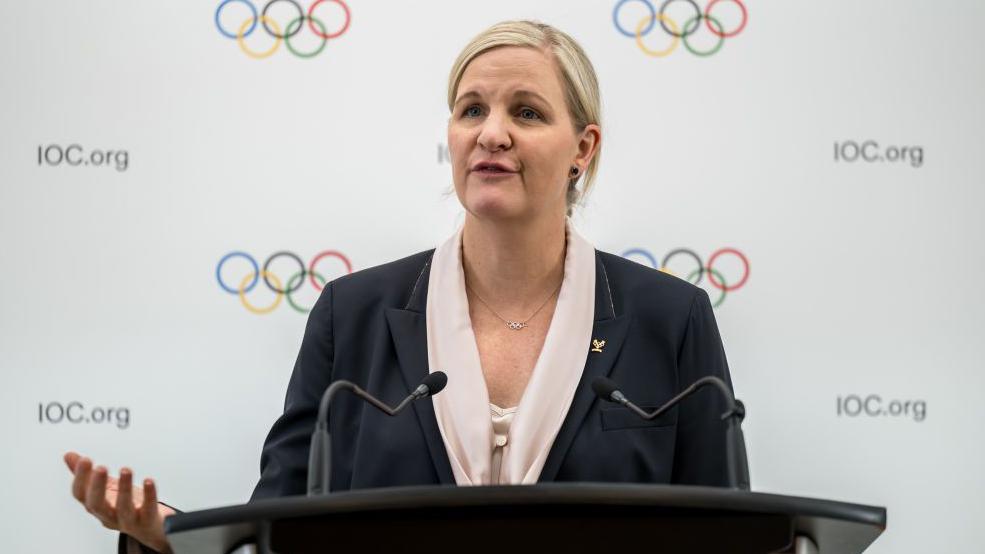
IOC president Kirsty Coventry said the policy was led by medical experts. At the Olympic Games even the smallest margins can be the difference between victory and defeat, she said. So it is absolutely clear that it would not be fair for biological males to compete in the female category. In addition, in some sports it would simply not be safe.
The IOC said eligibility for the female category would be determined by a screening to detect the SRY gene - the sex-determining region Y gene - which is part of the Y chromosome and causes male characteristics to develop.
The IOC considered the screening via saliva, cheek swab, or blood sample as unintrusive compared to other possible methods. Athletes who test negative for the SRY gene will satisfy this policy's eligibility criteria for competition in the female category. This will be a once-in-a-lifetime test.
Athletes who do not pass the test will remain eligible for other classifications, such as any male category or open category.
Until this announcement, the IOC left sex eligibility regulations to individual sports governing bodies. Many sports allowed transgender women to compete in female categories if they reduced their testosterone levels. Reports indicated that approximately 50 to 60 athletes who went through male puberty had competed in women's categories globally since 2000.
The IOC's new policy has been welcomed by some who argue for fairness and safety in women's sports, while it has faced criticism from various groups advocating for transgender rights, signaling the need for ongoing dialogues about inclusion, fairness, and rights in the realm of sports.
This decision's implications extend not only to elite competitions but may also resonate within community and grassroots sports, raising critical discussions about the future of gender inclusivity in athletic environments.