In brief
The WNBA’s 2026 season has been punctuated by a controversial debate over transgender athlete eligibility. Former NBA stars and current players have voiced divergent views, sparking protests and political support. League officials face pressure to clarify eligibility rules, while players’ association has called for justice and inclusion. The controversy has unfolded alongside broader discussions of gender, fairness and mental health in sports.
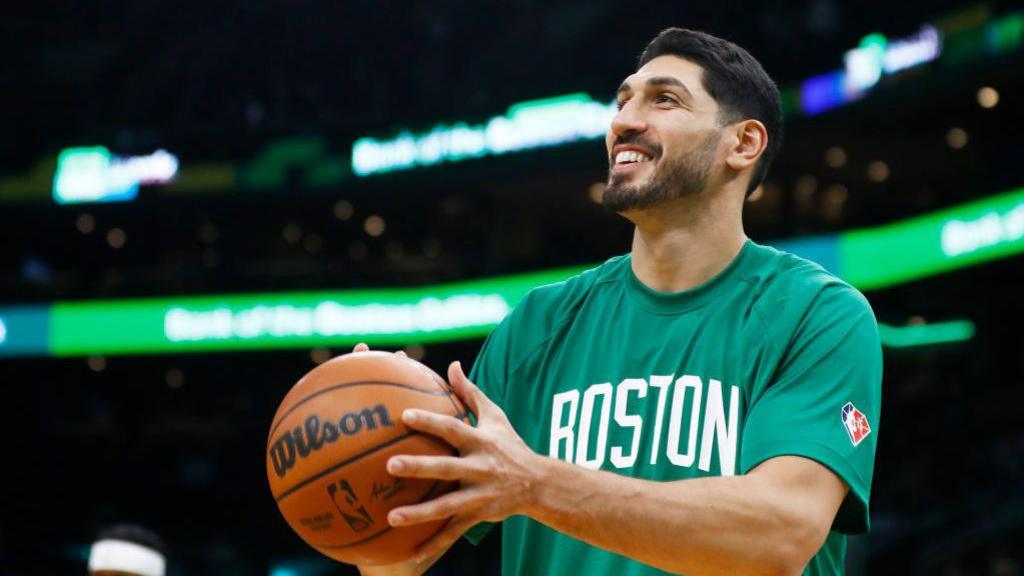
While the WNBA has celebrated women's basketball for more than two decades, the league’s 2026 season has been interrupted by a heated debate over whether transgender women can compete in the league. Former NBA player Enes Kanter Freedom declared that he intends to be drafted next year, citing the league’s vague eligibility rule that only “women” are qualified. The controversy was ignited by Indiana Fever guard Sophie Cunningham’s comments that she seeks to protect “young girls in a locker room” from competing against “biological men.”
Cunningham’s remarks were quickly amplified by political leaders, with President Donald Trump and Vice‑President JD Vance endorsing her stance. The pressure has led WNBA commissioner Cathy Engelbert to send a memo to teams, promising a forthcoming meeting with league presidents to discuss the issue. Yet the league’s collective bargaining agreement, which defines eligibility as “only players who are women,” remains silent on the nuances of transgender identities.
The reactions have split the league and its fans. The WNBA Players Association (WNBPA) condemned “hate abuse and demonisation” of transgender people, reaffirming its commitment to justice, equity, diversity and inclusion. Minnesota Lynx’s head coach Cheryl Reeve counters that the narrative should not be framed around transgender athletes as a problem. Statements from other players, such as Gabby Williams who welcomes any athlete to the court, show an attempt at inclusivity.
External bodies have also weighed in: the International Olympic Committee plans a “once‑in‑a‑lifetime” sex test for the 2028 Olympics, banning transgender women who have undergone male puberty from competitive women’s events. In the United States, President Trump’s executive order prohibits transgender athletes in school, university and grassroots women’s sports, although it does not cover professional leagues.
The debate’s intensity underscores how sports can mirror broader societal discussions on identity, fairness, and tolerance. For supporters of inclusivity, the WNBA’s response will be watched closely, and for detractors, the conversation may shape policy changes. The league’s next steps will determine both its integrity and its place in the evolving landscape of athletic competition for all gender identities.