In brief
The sudden, catastrophic floods that swept across the Nepal‑Tibet border left more than 1,200 people dead and thousands missing, prompting the Nepali government to urgently seek billions of dollars in financing for reconstruction. Despite being a low emitter of greenhouse gases, Nepal is highly vulnerable to climate extremes. National authorities and international aid agencies are coordinating relief operations and estimating a $3‑5 billion investment to replace damaged infrastructure and enhance resilience. Experts emphasize the urgency of climate‑adaptation funds to prevent further loss, urging renewed international cooperation to bridge the financing gap.
The sudden, catastrophic floods that swept across the Nepal‑Tibet border left more than 1,200 people dead and thousands missing, prompting the Nepali government to urgently seek billions of dollars in financing for reconstruction.
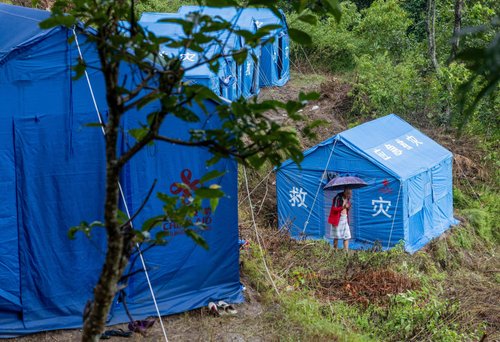
Despite being one of the world’s lowest emitters of greenhouse gases, Nepal sits atop fragile Himalayan terrain that is increasingly vulnerable to climate extremes. The 2026 floods, whose precise trigger scientists are still analysing, devastated villages, collapsed bridges and flooded valleys, leaving infrastructure in a rubble‑laden state.
National authorities, along with international aid agencies, are already coordinating relief operations as they assess damage. “We need financial support to rebuild homes, schools, roads, and critical water‑and‑sanitation facilities,” said a spokesperson for the Ministry of Water Resources. The capital will require an estimated $3‑5 billion to replace damaged infrastructure and improve resilience to future climate shocks.
Experts warn that the urgency for funds comes at a time when global climate funds are under pressure. Climate‑adaptation investments that reinforce infrastructure, early‑warning systems and community preparedness are portrayed as life‑saving.
Following the floods, Nepali communities are calling for a renewal of international cooperation to bridge the financing gap, ensuring that the rebuilding process incorporates climate‑resilient design, and addresses the needs of the most vulnerable populations.