Ukrainian President Volodymyr Zelensky has proposed that NATO could play a critical role in ending the war by extending membership to Ukraine, including its currently occupied territories. Speaking to Sky News, Zelensky expressed openness to accepting NATO membership but emphasized that it should be extended to the whole of Ukraine, within its recognized borders, to prevent the implicit recognition of territory taken by Russia.
In the interview, he made it clear that any invitation to join NATO should not be limited to the parts currently under Ukrainian control, as this would legitimize Russian claims over the occupied regions. "You can't give [an] invitation to just one part of a country," he stated, highlighting the inherent risks of partial acceptance. Zelensky underscored the need for a robust mechanism to ensure that any ceasefire agreements would not leave Ukraine vulnerable to future attacks by Russia.
Although Zelensky iterated that the ability to negotiate the return of occupied territories should remain on the table, this suggestion currently appears theoretical, lacking formal proposals from NATO. The longstanding discussions in Western circles about a “West German model” of NATO membership for a divided country have yet to yield actionable outcomes.
In light of the upcoming U.S. presidential administration led by Donald Trump, Zelensky has expressed a willingness to engage in discussions to align on potential peace initiatives. He plans to send a delegation to meet with Trump's appointees, including Keith Kellogg, who co-authored a strategy to freeze front lines and push both sides toward negotiation. However, Zelensky has voiced concerns about what security guarantees the new administration would be willing to offer, underscoring that without NATO, Ukraine faces an ongoing threat of invasion from Russia.
Despite Zelensky’s productive tone and openness to dialogue, significant differences in strategy remain between his peace proposals and emerging U.S. policies, raising doubts about any immediate resolution to the conflict. The precarious situation is further complicated by Russia's unwavering ambition to expand its influence over Ukraine, leaving little indication that President Putin would accept any arrangement allowing for NATO membership.
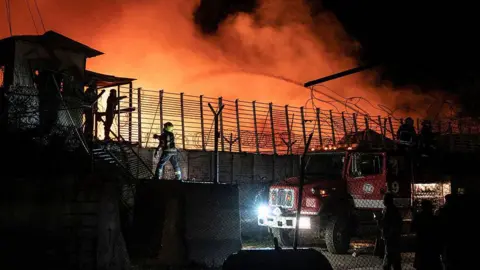
As Ukraine continues to face attacks and the struggle for basic utilities, the path toward peace remains fraught with challenges, underscoring the urgency for a cohesive international strategy to address the ongoing humanitarian and geopolitical crisis.