In brief
In the backdrop of an escalating conflict with Iran, President Trump maintains public confidence while grappling with significant strategic dilemmas. His decisions could shape the trajectory of his presidency, particularly concerning military engagement and managing the domestic economic fallout from rising energy prices.
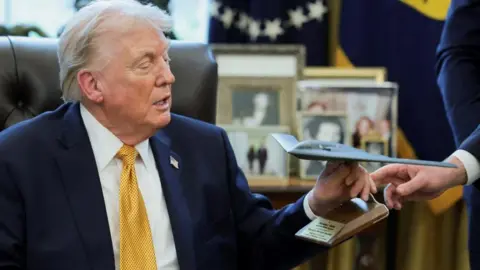
In the third week of the joint US-Israeli war against Iran, Donald Trump faces decisions that could define the rest of his presidency. Although the American commander-in-chief is contending with a war of choice that risks spiraling beyond his control, those concerns are not apparent in public discourse.In over an hour of remarks at the White House, Trump discussed various topics, notably the state of the war effort, while addressing seemingly unrelated issues like renovations at the Kennedy Center and the upcoming World Cup.Despite the chaos surrounding his decisions, Trump remains focused on the war, which he previously stated was 'won and complete.' However, evidence shows that the situation on the ground challenges those assertions. On Monday, he announced the postponement of a presidential trip to China amid ongoing military operations in Iran.The White House has indicated that the priority for the president is to ensure the success of what has been dubbed 'Operation Epic Fury.' Over the weekend, Trump called for international assistance to safeguard shipping through the strategically vital Strait of Hormuz, threatened by Iran's actions.Countries like Japan and Australia have been resistant to joining this coalition, leaving Trump in a precarious position regarding US Navy commitments to this waterway. He acknowledged the destruction of Iran's naval threats while expressing concern that it only takes one incident to escalate tensions further.Political analysts warn that Trump's options are fraught with risk. Any escalation could provoke public outcry against prolonged military engagement, especially as approval ratings hover around the low 40% range. The current economic landscape, particularly rising fuel prices, may exacerbate political tensions as Americans grow increasingly concerned about affordability.As military options remain open, the upcoming midterm elections could hinge on how well Trump navigates the complex interplay of international conflict and domestic policies. With military engagement looming, Trump's challenge is clear: to balance the rigorous demands of war with the pressing concerns of the American public.