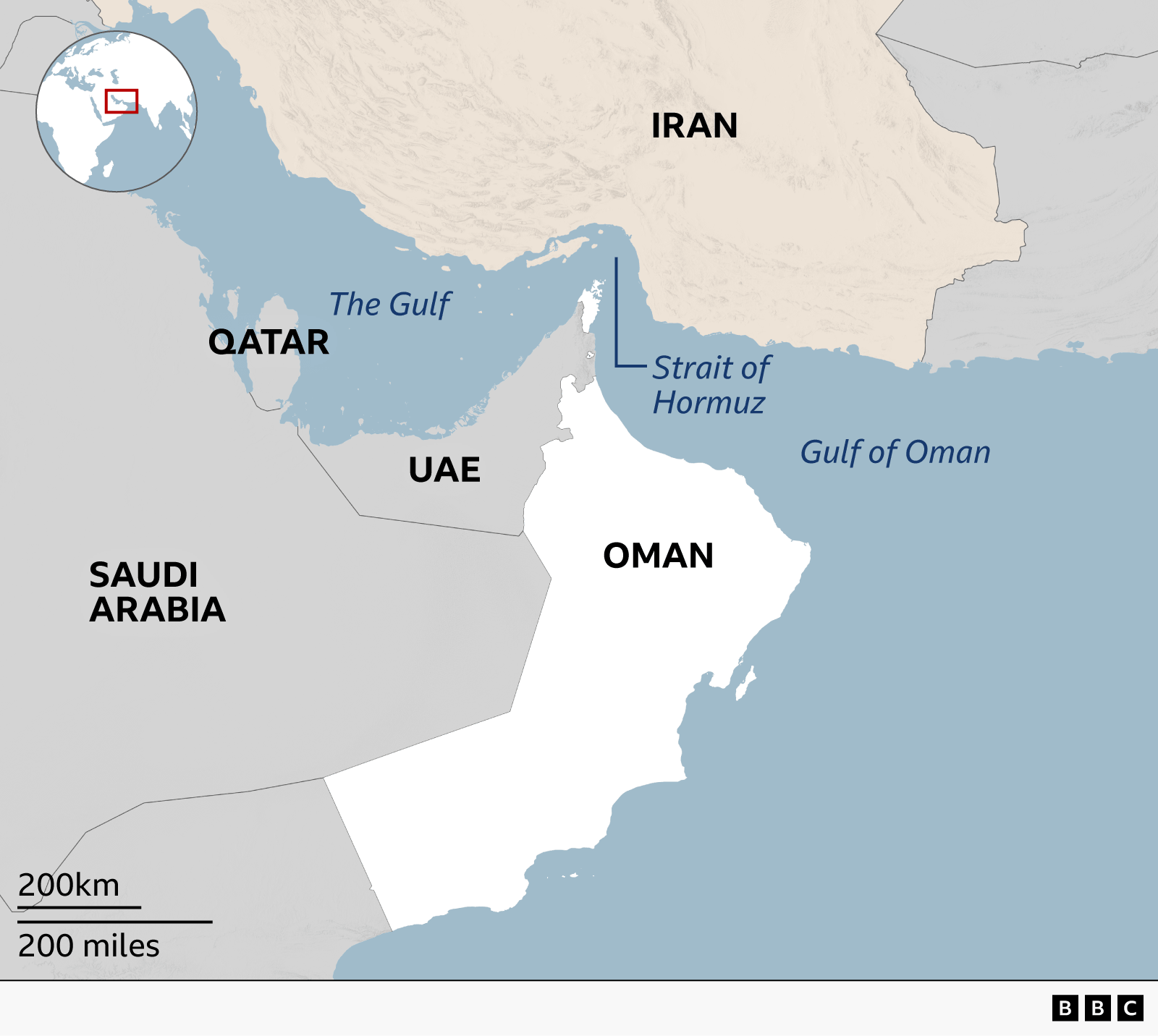
As conflict escalates and airspace becomes fraught with danger, the role of air traffic controllers and pilots has never been more critical. In the past fortnight, as drones and missiles flew over Iran and the Gulf, air traffic controllers have had to guide passenger jets through newly congested airspace, ensuring not only the safety of travelers but the continued operation of commercial airlines.
The situation has led to a noticeable uptick in air traffic in regions like Egypt and Georgia, as flights are re-routed to avoid the dangers associated with war. Collaboration among air traffic controllers becomes vital, as each one manages different sections of congested airspace, often doubling the number of flights they oversee during such crises. retired controller Brian Roche notes that while a controller usually manages six aircraft, this number can rise to twelve in times of heightened conflict.
The intense concentration required also necessitates adjustments in work shifts; longer breaks are implemented to prevent mental fatigue. Roche emphasized the extraordinary workload controllers are facing, managing unprecedented traffic while keeping safety protocols in mind.
The article highlights historical events like the tragic downing of Malaysia Airlines MH17 in Ukraine, illustrating the potential hazards of flying through regions of conflict. Recent events, such as a US refueling aircraft’s crash in western Iraq, underscore the dangers that can lead airlines to rethink flight paths over active war zones.
Despite the complications, pilots remain trained to communicate effectively with controllers and passengers alike, ensuring everyone is aware of any deviations from expected flight plans. The importance of the cabin crew during these times is accentuated as their roles extend beyond service, playing a crucial part in maintaining passenger calm.
As flights are increasingly redirected and schedules disrupted, cabin crew member Hannah notes that such challenges are part of their lifestyle and passion for the job. The article wraps up with a deeper appreciation of how aviation professionals adapt and ensure safety during perilous circumstances, all while keeping a cohesive procedure to prevent chaos.