In brief
Ukraine is facing a dual challenge: waging an ongoing battle against Russia while needing to stabilize its economy. Key government officials emphasize the importance of foreign aid in budgeting and military funding as the country heads toward substantial debt. As appetite for military support meets rising taxation domestically, Ukraine is also navigating complex international relationships, particularly with the EU, to secure necessary funds for recovery and reconstruction.
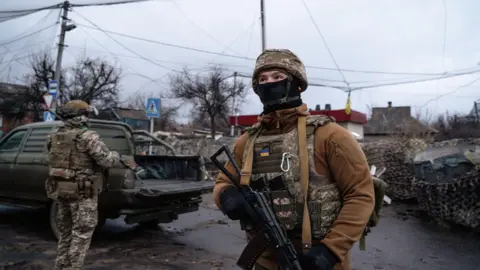
For Ukraine, the financial frontline is perhaps the unseen battlefield in the war with Russia. Keeping the economy stable is not just about immediate needs but is crucial for the future that they have been fighting for over the past four years.Ukraine's Finance Minister, Sergii Marchenko, expressed that the country does not want to merely be seen as a poor neighbor to the EU, but instead aims to provide crucial military expertise derived from its experiences since the onset of the conflict in February 2022.The EU has extended a new loan of €90bn ($105bn) to help cover Ukraine’s budget shortfall over the next two years, allowing the country to maintain essential government functions amid war pressures.Marchenko emphasized that a robust economy is indispensable for a strong military, stating that domestic revenue sources are expected to contribute significantly to government funds this year. Despite tax increases being implemented, plans for expenditures remain high, pushing the government to explore further taxation strategies.International support appears vital, as the IMF has approved an $8.1bn loan to provide immediate relief, contingent on necessary economic reforms in Ukraine to ensure fiscal responsibility. As the war continues, Ukraine is under pressure to boost production and avert economic collapse while substantial reconstruction costs loom.Despite ongoing challenges, business optimism persists, with many foreign investors showing interest in Ukraine's recovery. The financial and military battle that Ukraine endures shapes its path toward economic survival and future empowerment, but uncertainties about international aid slow the momentum. With geopolitical challenges and domestic financial pressures exacerbating the situation, the Ukrainian economy faces uncertain times ahead.