Kenya's foreign minister says Russia has agreed to stop deploying Kenyan nationals to fight in the war in Ukraine, after talks in Moscow.
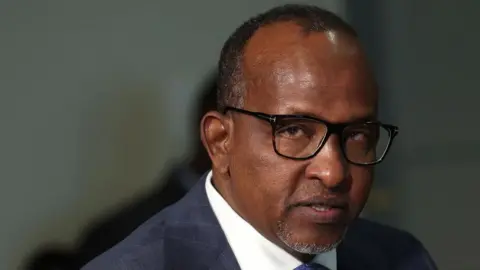
Sitting beside his Russian counterpart, Sergei Lavrov, Musalia Mudavadi stated that both sides had agreed that Kenyans would no longer be recruited through Russia's defense ministry. They will no longer be eligible to be enlisted, he said.
While Lavrov did not comment on the deal, he asserted that all foreign fighters had joined voluntarily in full compliance with Russian law.
A Kenyan intelligence report in February warned that more than 1,000 citizens had been recruited to fight for Russia in Ukraine.
Many Kenyans reported being attracted to the conflict with offers of well-paid civilian jobs, only to find themselves pressured into military service.
Mudavadi is also advocating for the repatriation of Kenyans who wish to return home. Recently, the Kenyan authorities have closed over 600 recruitment agencies suspected of misleading citizens about opportunities abroad.
Moreover, Kenyan lawmakers have raised concerns about rogue officials collaborating with human trafficking networks to recruit citizens for combat roles.
So far, 27 Kenyans have returned from Ukraine, receiving psychological care to manage trauma and efforts to de-radicalize them.
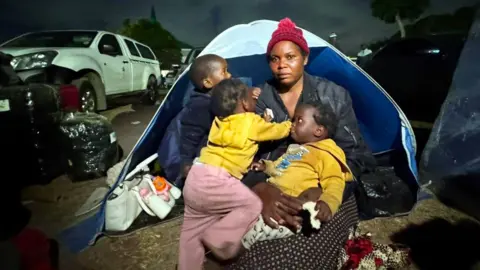
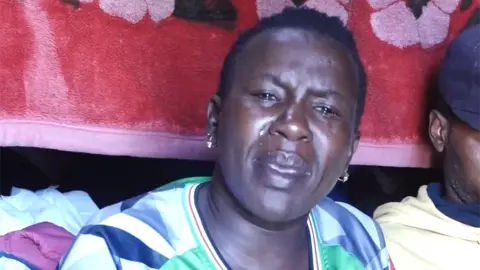
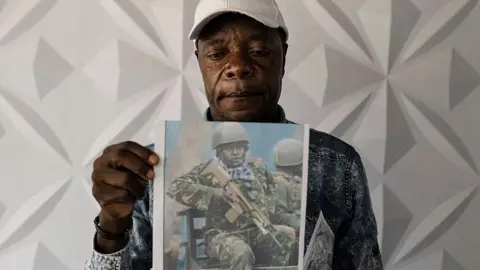
While the number of fatalities among Kenyans in the conflict remains unclear, families have struggled to get information from the Russian embassy in Nairobi, often leaving them in despair.
Public pressure has grown, evidenced by protests from families in Nairobi demanding government action regarding missing relatives believed to be in Ukraine.
During his Moscow visit, Mudavadi also aims to negotiate agreements facilitating broader access for Kenyans to the Russian job market, emphasizing the need for a balanced partnership beyond military issues.
Ukrainian intelligence estimates indicate that over 1,700 individuals from 36 African nations have been recruited to fight for Russia, pointing to a troubling trend of foreign involvement in the ongoing conflict.