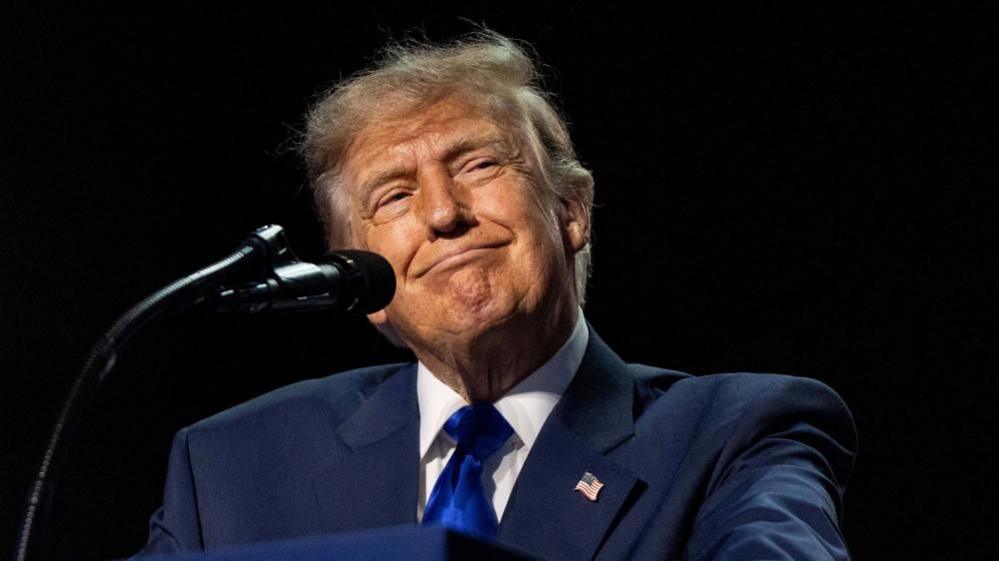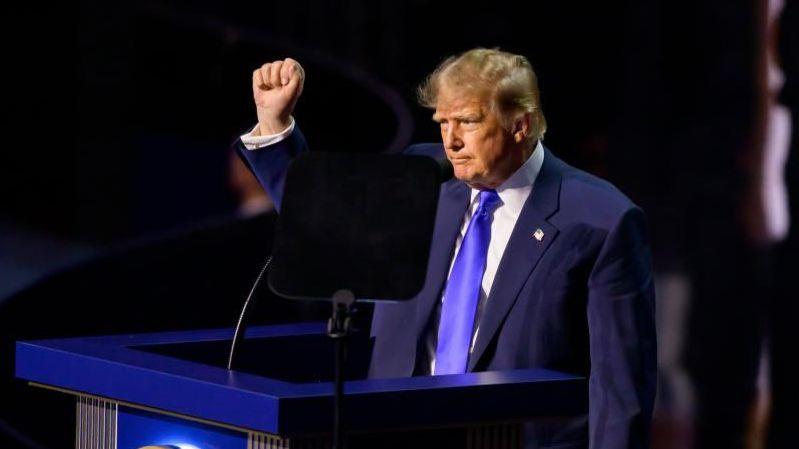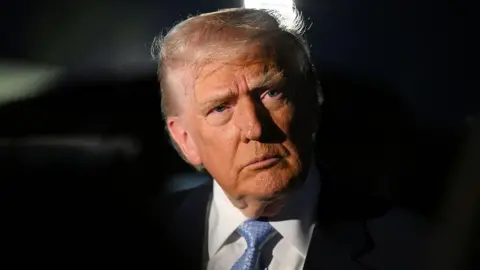
Throughout his two terms in office, US President Donald Trump has not been shy to criticize – even to attack – Washington's NATO allies. His latest assertion that failing to secure the Strait of Hormuz would be 'very bad for the future of NATO' signals a misunderstanding of the alliance's purpose, raising eyebrows among military leaders.
General Sir Nick Carter, former chief of the Defence Staff, noted, 'NATO was created as a defensive alliance... not an alliance designed for one of the allies to go on a war of choice and then oblige everybody else to follow.' His comments highlight the complex dynamics and differing perspectives existing within the alliance as it grapples with the emerging Iranian crisis.
Trump's recent remarks come in stark contrast to his previous claims regarding Greenland, reflecting an irony in his approach to international relations. Responses from allies have been blunt, with a German spokesperson emphasizing that conflict with Iran had 'nothing to do with NATO,' while German Defense Minister Boris Pistorius questioned the effectiveness of European navies in supporting U.S. military objectives.
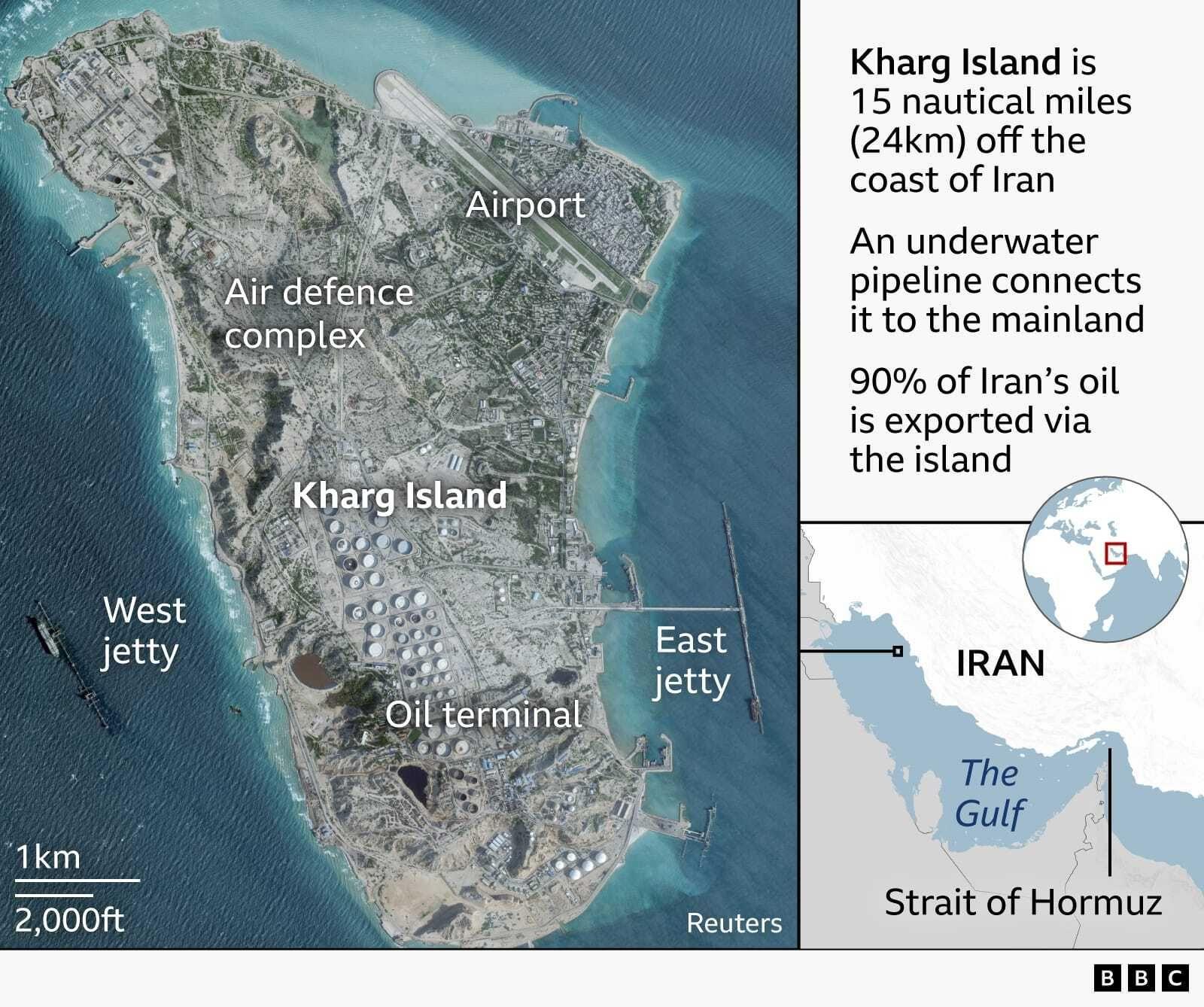
As tensions escalate, Western governments are faced with the urgent need for a solution. Iran's blockade of the Strait poses significant threats to global shipping, particularly as it restricts oil distribution to various regions, including allies in Asia. With the potential for economic repercussions on the horizon, there is pressure to address the situation swiftly.
Prime Minister Sir Keir Starmer of the UK stated that discussions are ongoing to develop a 'viable plan' alongside U.S., European, and Gulf partners, but the implementation of a cohesive strategy is still pending. Meanwhile, the absence of military assets in the region highlights the challenges currently facing Western powers in responding to the threat at hand.
Looking forward, Trump appears to underestimate the complexities of regional military engagement, calling the mission to keep the Strait of Hormuz open a 'very small endeavor'. Allies are hesitant to commit military resources under such a precarious backdrop, prioritizing calls for de-escalation rather than further involvement in a conflict that could have lasting consequences.
Amidst Trump's push, it remains clear that the path forward is unclear, and NATO unity will be crucial in addressing the challenges posed by Iran—especially one that spans economic, military, and diplomatic realms. The nature of NATO’s involvement, or lack thereof, could redefine its operational scope in the face of ongoing global security threats.