Legislation for Extended Presidential Term
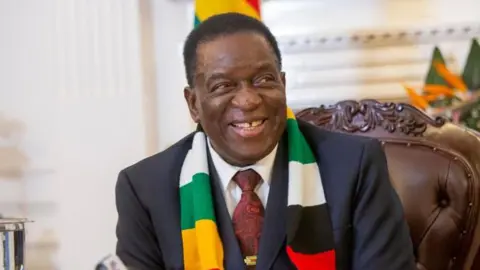
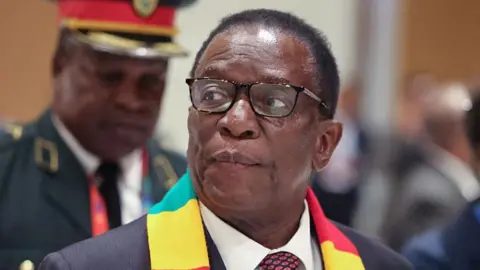
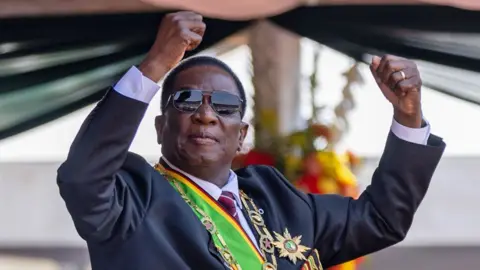
The Zimbabwean cabinet has approved a draft proposal that will enable President Emmerson Mnangagwa, aged 83, to prolong his presidency until at least 2030. The new legislation suggests that future presidents would be determined by MPs instead of through direct popular vote, and it aims to extend presidential terms from five to seven years.
Justice Minister Ziyambi Ziyambi announced that public consultations will precede a parliamentary debate on the bill, which is anticipated to face legal challenges. Constitutional experts indicate that significant amendments regarding presidential term limits may require a nationwide referendum.
Political Background
Mangagwa, who rose to the presidency after a military coup ousted long-time leader Robert Mugabe in 2017, won successive elections, although these outcomes have often been controversial. His current five-year term is set to end in 2028. Previously, a constitutional referendum in 2010 established term limits amid fears of political entrenchment.
Rallying Support and Opposition
Hints of Mnangagwa's desire to remain in power beyond 2028 began circulating two years ago, evidenced by Zanu-PF supporters chanting slogans suggesting he stay to complete his Agenda 2030. Despite pushing back against calls for a longer term, he faces critical voices within his party, including the recent passing of a prominent adversary, Blessed Geza, who had vehemently opposed Mnangagwa's ambitions.
The government presents the proposed law as a means to enhance governance and political stability in Zimbabwe. However, skepticism remains regarding the true intentions behind these efforts amidst an evolving political landscape.