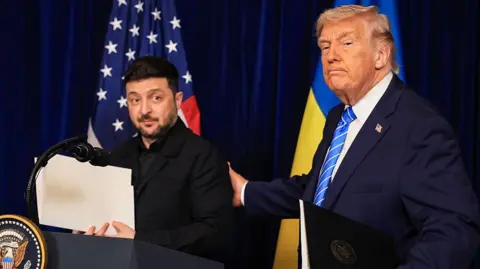
Russia, the US, and Ukraine find themselves closer to a deal aimed at ending nearly four years of full-scale conflict, yet numerous complex issues threaten to derail the peace talks. President Donald Trump noted that while progress is being made, one or two very thorny, very tough issues remain unresolved. Central to the discussions are contentious topics regarding territorial integrity and the fate of Europe's largest nuclear facility, currently held by Russian forces.
President Zelensky of Ukraine is scheduled to meet with European leaders to further discuss these matters, but prevailing sticking points could endanger the peace agreement. Among these, Russian President Vladimir Putin maintains an unwavering demand for full control over Ukraine’s industrial heartland in Donbas, despite a proposed Ukrainian compromise that suggests establishing a demilitarized zone.
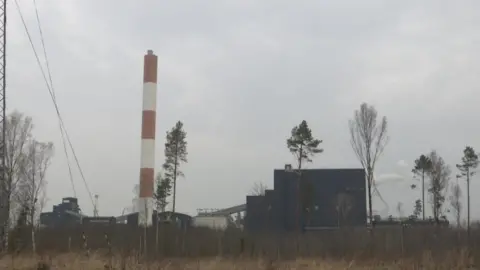
The Zaporizhzhia Nuclear Power Plant also enters the fray, where Western discussions involve potential joint management between the US, Ukraine, and Russia. However, Russia's insistence on maintaining singular control raises the stakes in negotiations. Complicating matters further, Zelensky suggests that any decisive agreement on Ukraine's support and territorial concessions would require a public referendum to ensure legitimacy.
In light of these diverging interests and the palpable lack of trust between the involved parties, particularly regarding accusations and counterclaims of military aggression, the battle for peace remains steeped in uncertainty. Both sides are reportedly fatigued, yet significant obstacles remain, needing careful navigation to avert future hostilities and foster a sustainable resolution.