In brief
Despite growing optimism for a peace agreement to end the nearly four-year war between Russia and Ukraine, multiple critical issues threaten to derail negotiations. The territorial claims over the Donbas region and the management of Europe's largest nuclear plant, currently under Russian control, remain significant sticking points. Ukrainian President Volodymyr Zelensky's proposal for a compromise faces skepticism from the Kremlin. Moreover, mutual distrust complicates the dialogue, as both parties seek security guarantees and terms that could facilitate a lasting peace.
As the prospect of a peace deal looms, vital issues remain unresolved between Russia and Ukraine, primarily concerning territorial disputes and nuclear safety. Insights into the stakes and potential solutions shed light on a complex negotiation landscape.
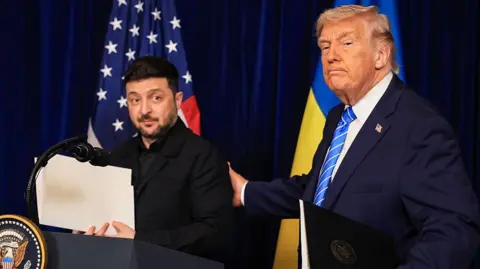
Russia, the US, and Ukraine are nearing a consensus on ending nearly four years of conflict, yet significant obstacles persist. President Donald Trump highlights the remaining thorny, tough issues that complicate peace negotiations. Specifically, disputes over territory and the future of the Zaporizhzhia nuclear plant, currently occupied by Russia, are critical.
Ukrainian President Zelensky's willingness to compromise on the Donbas region contrasts sharply with Putin's uncompromising approach. The prospect of breaking this stalemate hinges on creating a demilitarized zone and making concessions from both sides. Additionally, energy security and nuclear management are near the top of the priority list for resolving ongoing tensions.
Despite the potential for compromise, the fundamental lack of trust between the parties complicates discussions. Zelensky publicly expressed skepticism about Putin's assurances regarding energy supply and broader support for Ukraine's success. Both sides accuse each other of provocations, further hampering negotiations.
Moreover, while Kyiv seeks security guarantees akin to NATO provisions, Russia remains opposed to NATO's direct presence in Ukraine, further complicating agreements moving forward.
In conclusion, as both nations inch closer toward a potential peace deal, they must navigate these thorny issues thoughtfully, or risk prolonging a conflict that has already caused significant human and economic costs.