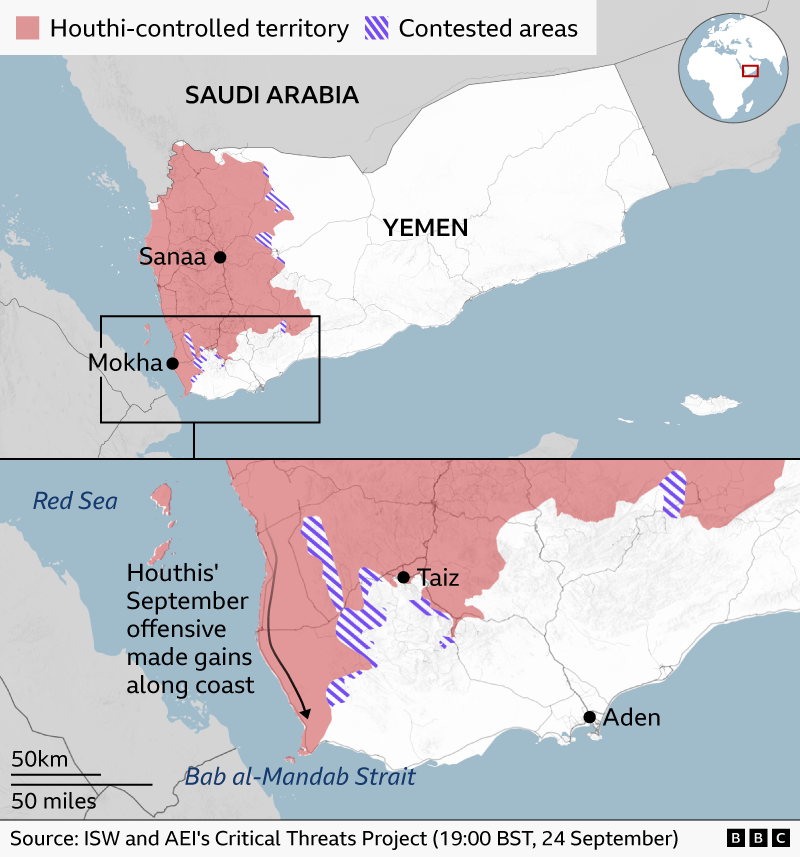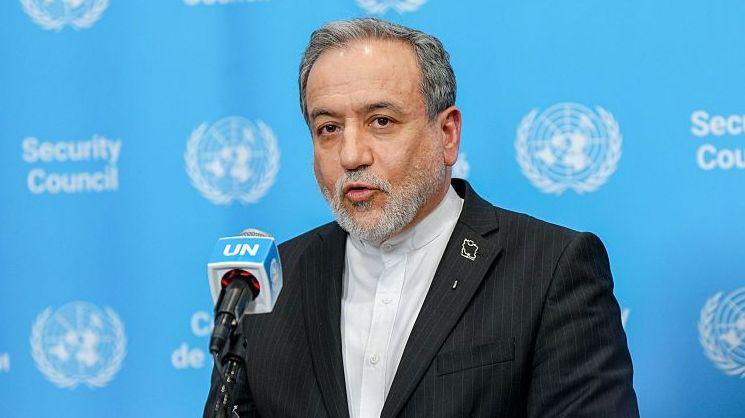
Yemen’s all‑out war against the Houthi movement has escalated to a scale that raises serious environmental concerns. President Rashad al‑Alimi announced a nationwide offensive that could intensify existing conflicts and add new flashpoints across the nation.
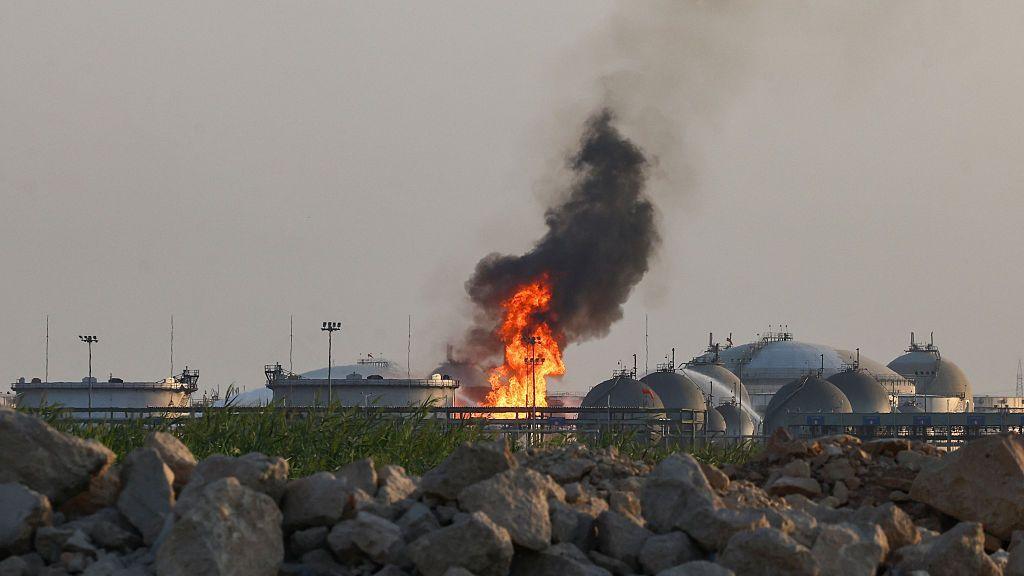
The Saudi‑backed Saudi-led coalition’s recent strikes on the oil giant Aramco created widespread fires, releasing large quantities of carbon dioxide and hazardous pollutants into the atmosphere. The smoke‑laden skies over Riyadh and the Khurais region are a visible reminder that armed conflict can dramatically increase greenhouse‑gas emissions, even in isolated battles.
Yemen is already vulnerable to the consequences of climate change – frequent droughts, water scarcity, and a growing food‑insecurity crisis that the war threatens to worsen. Disruption of irrigation systems, loss of farmland, and damage to storage facilities heighten the risk that local communities will be left without resilient agricultural infrastructure.
The destruction of oil infrastructure also hampers the country’s ability to generate revenue for critical climate adaptation projects. Yemen’s arid landscape and high solar irradiance present untapped opportunities for renewable energy, yet war‑wound supply chains and damaged grid infrastructure limit progress in establishing solar farms and battery storage.
To safeguard Yemen’s environmental future, the international community must support a reconstruction strategy that prioritises green infrastructure: clean‑energy plants, water‑efficient irrigation, and community‑based climate resilience programmes. A peace‑driven, sustainable recovery could prevent further carbon emissions, improve air quality, and enhance food security for millions of Yemenis.