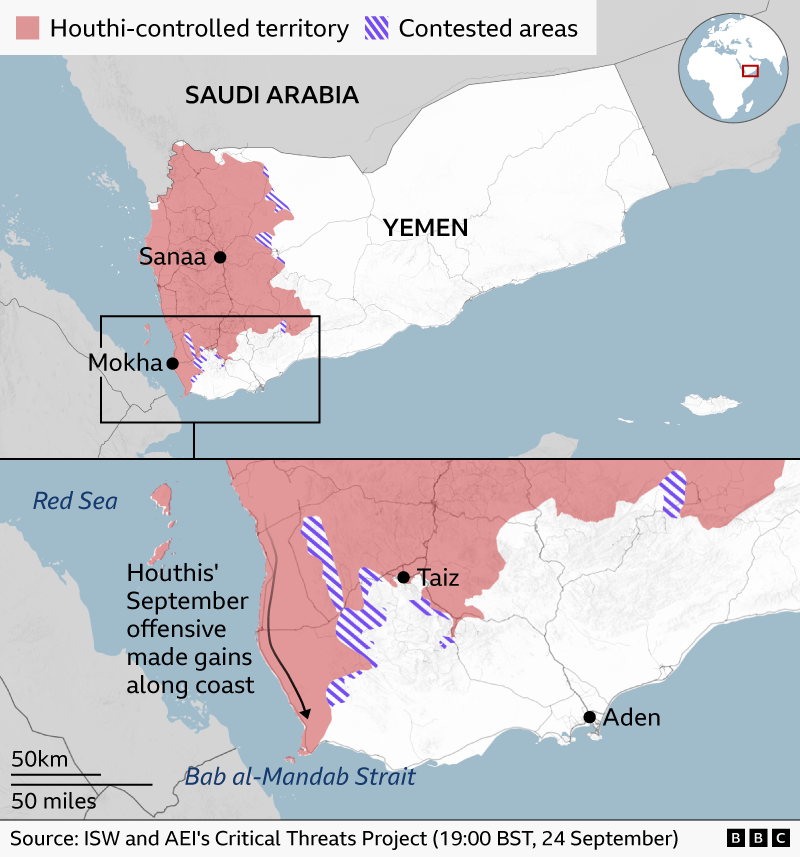
The Saudi‑backed Yemeni government announced a large military operation aimed at regaining territory from the Iran‑backed Houthi movement, a move that has already escalated tensions in the region.
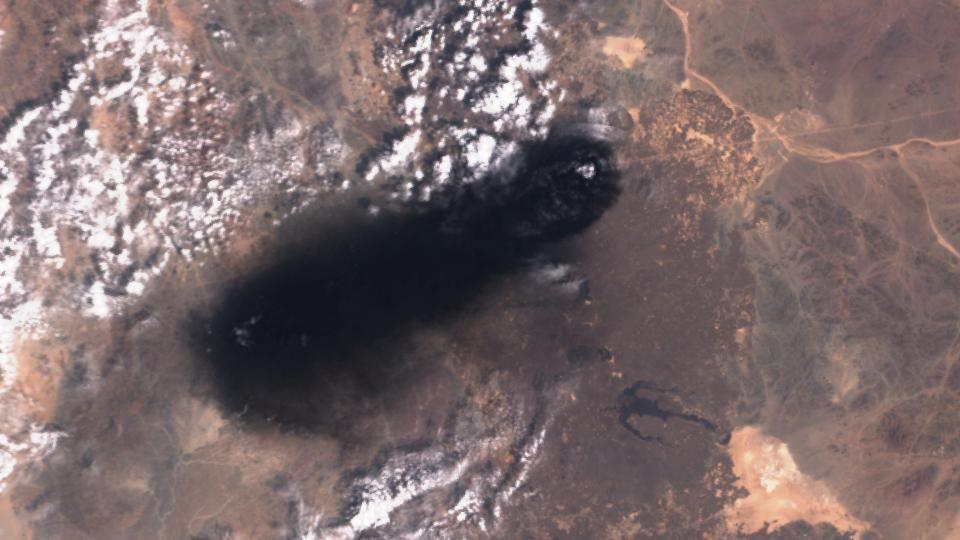
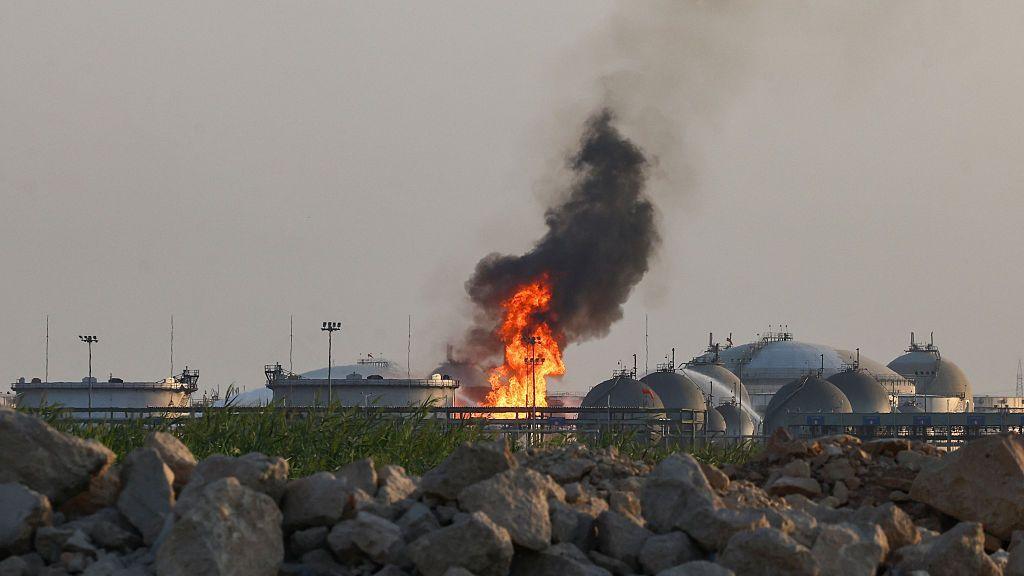
Houthis recently struck Aramco oil facilities near Riyadh, setting off major fires. The attack could lead to fuel spills, release toxic gases and damage surrounding ecosystems, compounding the environmental toll already borne by the war‑torn country.
Because Saudi Arabia supplies a substantial share of the world’s crude, any damage to its infrastructure risks tightening supply chains and potentially driving prices higher, which may prompt a temporary return to additional oil use and counter climate‑change mitigation efforts.
The conflict underscores the intersection of warfare and climate risk: armed clashes can directly harm vital energy assets, create hazardous environmental conditions, and indirectly push the planet toward higher emissions.
Climatologists and humanitarian groups are urging immediate environmental monitoring and emergency response plans that incorporate fire‑hazard assessment, spill‑containment protocols, and support for local ecosystems that may be exposed to pollutants.