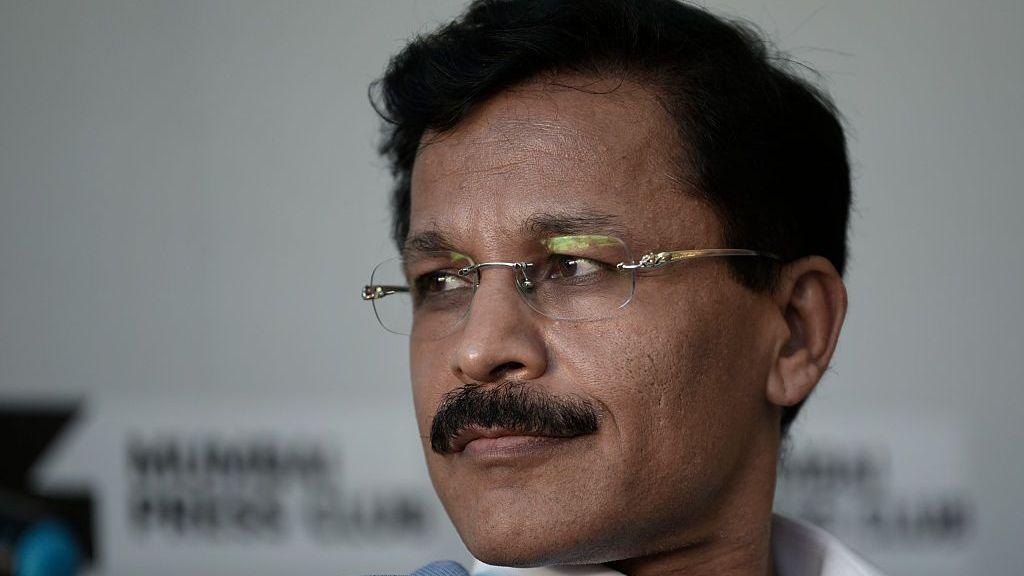
An Indian pilot’s valiant actions on a Flydubai flight illustrate the pressing need for greater safety and sustainability in aviation.
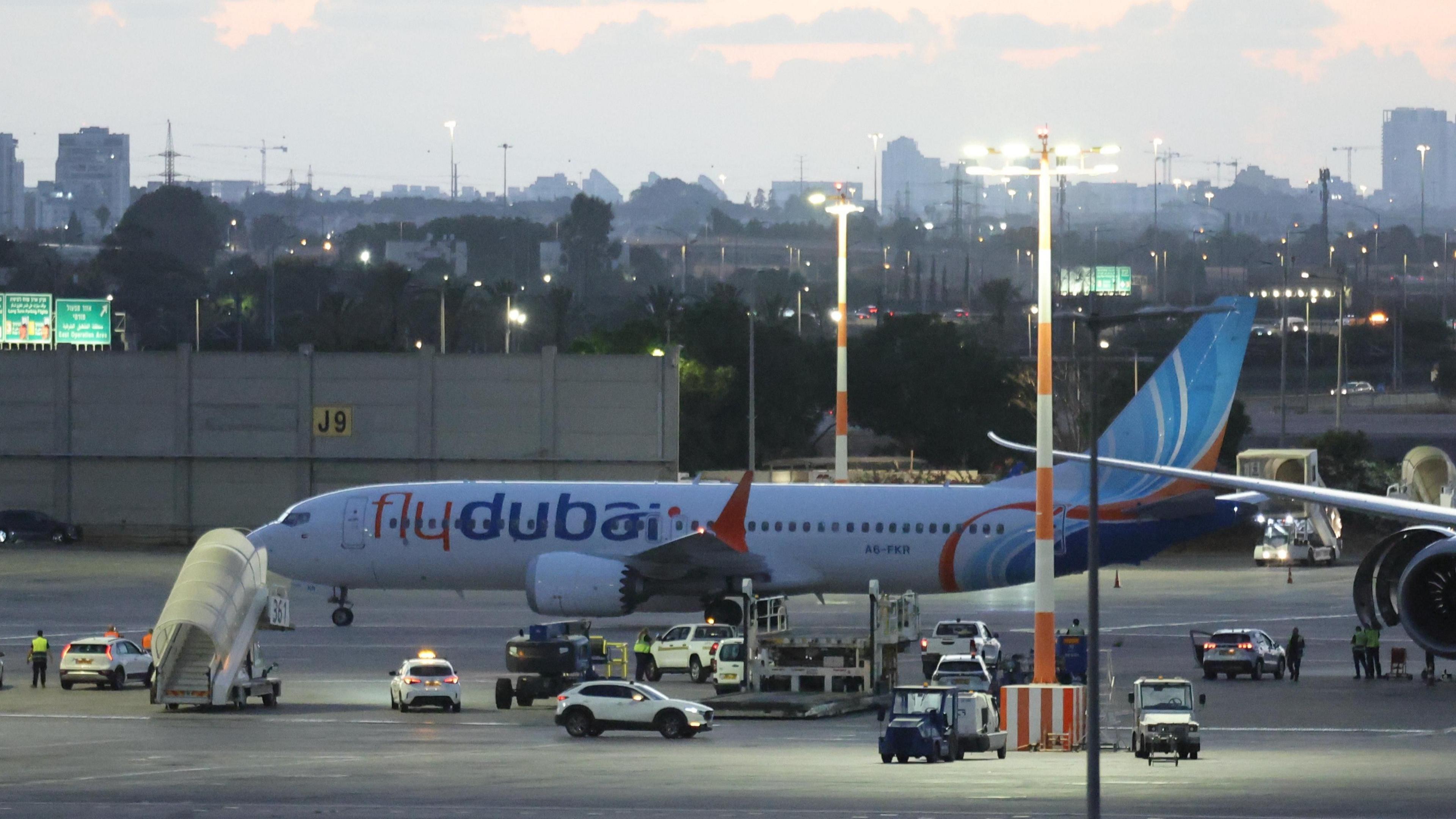
Captain Smit Machchhar, aboard a Dubai‑Tel Aviv flight bound for Israel, confronted a violent altercation with his co‑pilot on the ground, forcing the aircraft to climb and risk a rapid descent. During the confrontation he suffered injuries but managed to force open the cockpit door, allowing crew and passengers to help stabilize the plane.
“I was lying on the floor injured but I told myself to go for one last push to open the door from inside,” he recounted in a video call with the Indian Prime Minister, who praised the captain’s “courage and quick decision‑making” for saving many lives.
The incident, which landed the aircraft in Saudi Arabia and later transported Captain Machchhar to Abu Dhabi, underscores how human factors can threaten flight safety. It also highlights an opportunity to strengthen safety protocols that align with the aviation industry’s commitment to climate responsibility.
Environmentally, the aviation sector is pledging to cut emissions by 50-70 % by 2050. Yet accidents demonstrate that safety infrastructure must keep pace with technological advances like sustainable aviation fuels and electric propulsion. Rapid response drills, stronger cockpit security and resilient routing can reduce both human and carbon risks.
What can be learned:
- Integrate real‑time crew health monitoring into flight management systems to track pilot injuries that could compromise safety.
- Implement mandatory safety drills that include aircraft evacuation under power‑loss scenarios, crucial for sustainable aircraft that may carry fewer traditional backup systems.
- Expand the use of low‑emission aircraft and fuel technologies only when pilots receive comprehensive training on their operational limits.
Beyond the cockpit, the event has prompted stronger calls for “flight safety parity” in the push for greener skies, ensuring that every milestone in sustainable aviation is matched by a corresponding upgrade in human‑factor resilience.
Back at the Indian Embassy in the UAE, officials hailed the captain as a “true hero” and pledged continued support for aviation safety training centers across the region.
The story continues to unfold, but one thing is clear: climate‑smart aviation must also be safety‑smart aviation.