In brief
In Marseille, protests ignited over school conditions and living costs exploded into the most violent unrest France has seen in years. Over 500 businesses were damaged as looters flooded streets, 118 officers were injured and 101 arrests—including a quarter of minors—were made. Local leaders argue that the city’s under‑resourced public services and climate‑exacerbated conditions created tinderbox conditions. Mayor Benoît Payan and Interior Minister Laurent Nuñez called for sweeping reforms, while citizen scientists and eco‑activists urge a shift to renewable infrastructure, green spaces and social equity to prevent future crises.
A City on the Edge of Chaos
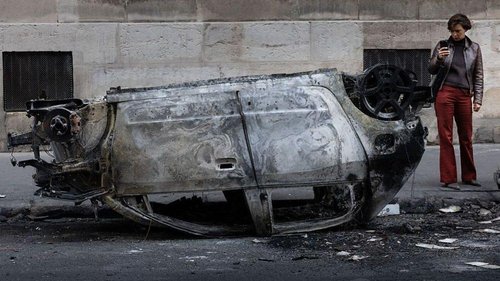
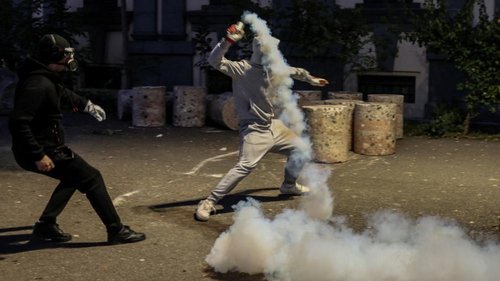
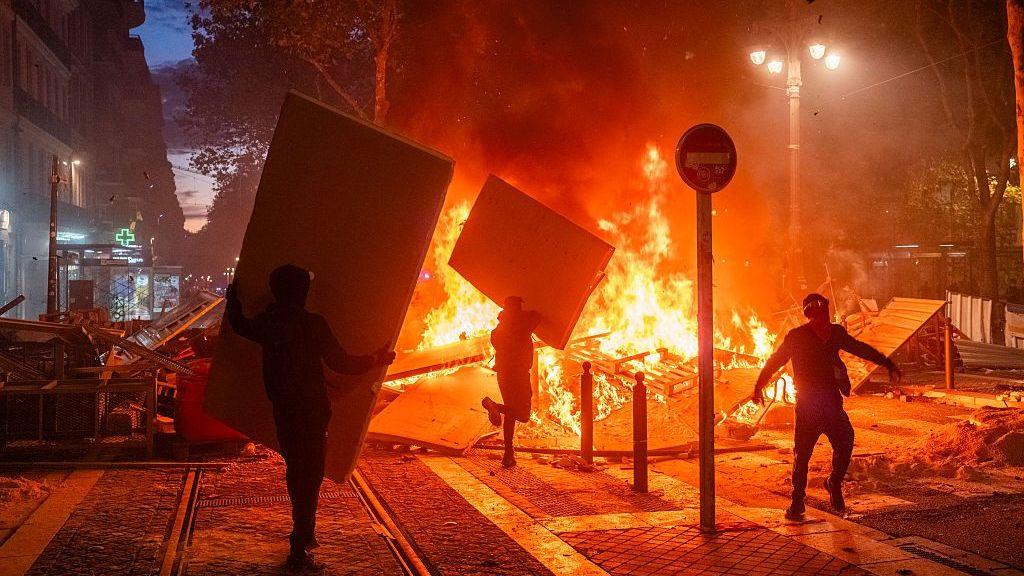
Marseille, France’s second‑largest city, slid into one of its most severe waves of disorder this past Saturday. More than five‑hundred commercial premises suffered damage as looters flooded streets, while 118 police officers were injured – a tenth of the national injury total.
Police unions described the chaos as “apocalyptic,” and the town’s mayor called the events a “fiasco.” Arrests totaled 101, a quarter of whom were minors. For eight hours the city had a blanket ban on assemblies, a move that reflected the magnitude of the breakdown in public order.
Root Causes Beyond Protest Songs
While the demonstrators began by demanding better school conditions and lower living costs, underlying social inequities made the city especially vulnerable. In Marseille’s energy‑poor peripheral districts, rising heat waves trap residents in temperatures that sap health and emergency capacity. Climate‑induced heat shames, along with persistent gaps in public services, have amplified residents’ frustration and underlined how climate economics can spark civil unrest.
The protests also highlighted a frantic loss of faith in the city’s ability to provide safe, renewable‑energy‑backed infrastructure, a core pillar of the modern sustainable city model.
A Call for Sustainable Transformation
Mayor Payan pressed for “radical change of approach,” urging the national government to re‑invest in public safety, education and climate‑ready infrastructure. Provincial minister Laurent Nuñez affirmed that the city required a coordinated strategy to avoid future looting scenes.
Sustainable‑city advocates point to several solutions: expanding green roofs to reduce urban heat islands; increasing local renewable installations so schools and community centers have reliable power; mapping citizen‑sourced micro‑climate data to target heat‑vulnerable neighborhoods; and investing in climate‑adapted public transport that is both affordable and resilient.
Citizen scientists can help monitor air quality and temperature spikes in real time, feeding data into policy dashboards that bring new transparency to the decision‑making process. By fostering community ownership of climate solutions, cities can transform conflict into collaboration.
Looking Ahead
With further demonstrations slated for the weekend, Marseille faces a critical crossroads. If local authorities act on the promises of renewable, green infrastructure and social equity, the city can transform a climate‑and‑civic crisis into an opportunity for resilient urban renewal. If not, the cycle of unrest and damage is likely to repeat, threatening both lives and the environment that sustains them.