In brief
Over two days, thousands of demonstrators marched in Paris, Marseille, Lyon and Limoges demanding lower fuel prices and better public services. While mainly peaceful, masked rioters set fire to kiosks, cars and municipal buildings, leaving many historic landmarks destroyed. Police struggled to contain the riot, leading to curfews in several towns and the resignation offer from the Interior Minister. The unrest underscores how economic pressures and climate‑related transport costs can spark civil upheaval, highlighting the need for resilient, sustainable infrastructure.
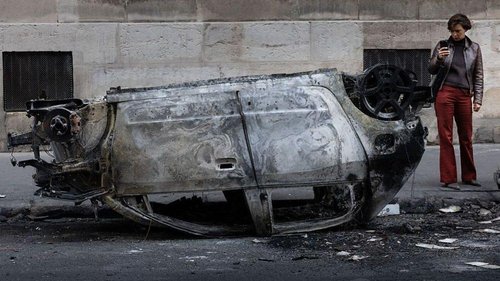
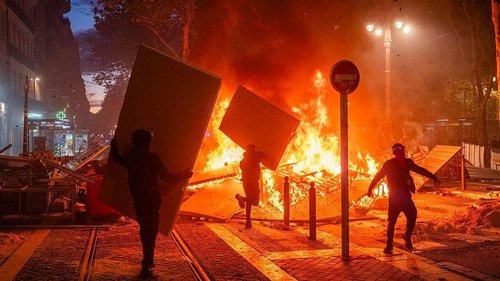
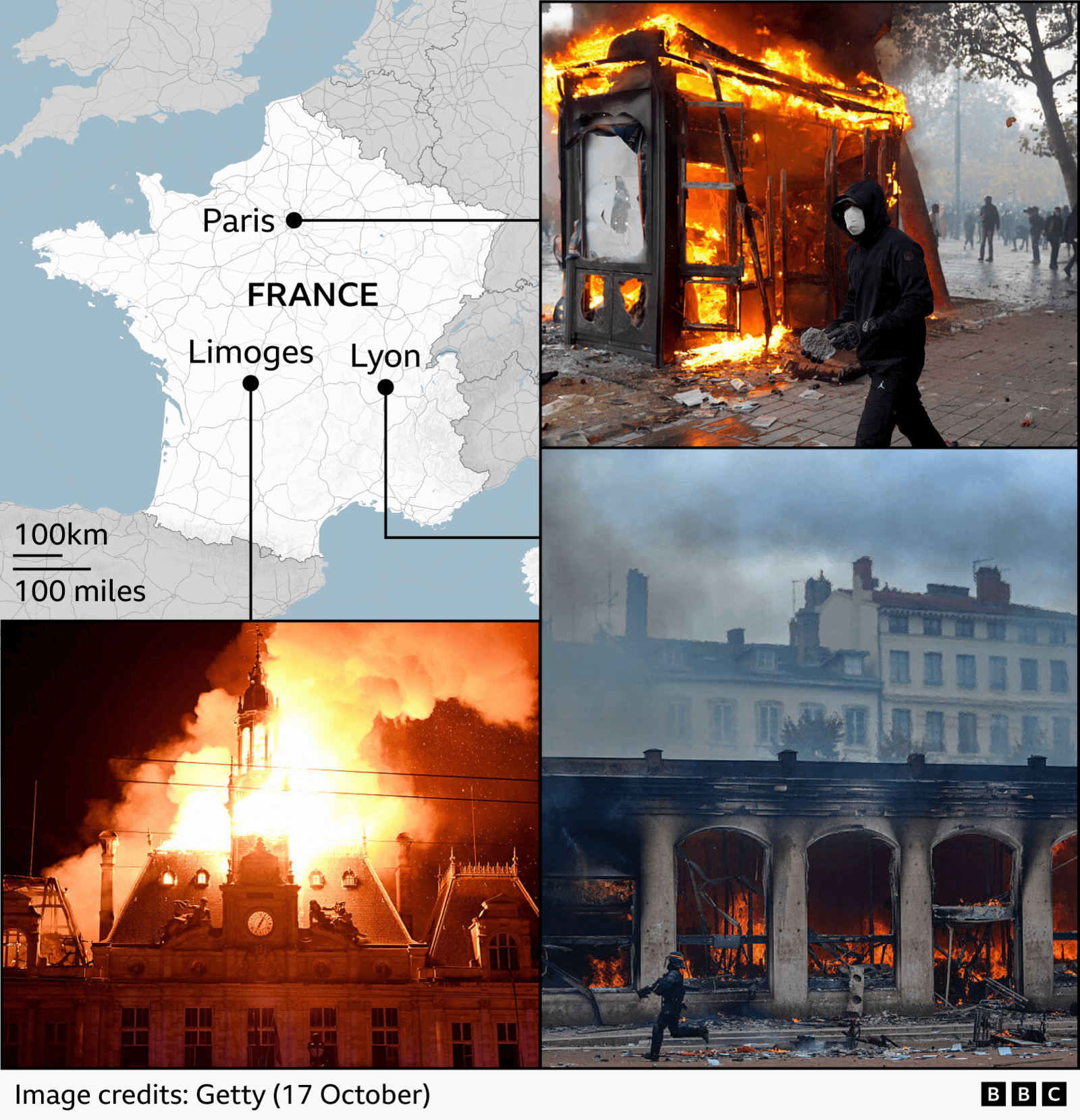
Friday and Saturday, thousands of protesters took to the streets of Paris, Marseille, Lyon, and Limoges demanding lower fuel prices, a lower cost of living, and better public services. While most were peaceful, a faction wearing masks and balaclavas set cars, kiosks, and buildings on fire.
The flames reached some of France’s most iconic sites. In Paris, a kiosk and a municipal building were destroyed; near Place de la République, the flames engulfed the historic tourist office. In Marseille, the city hall was breached, damaging the statue of Marianne. In Limoges, the 143‑year‑old town hall collapsed after the fire.
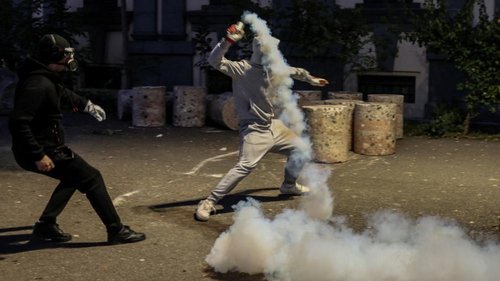
Police struggled to contain the riot, using tear gas and stun grenades, and the national government announced curfews in affected towns. Interior Minister Laurent Nuñez offered his resignation, while Prime Minister Sébastien Lecornu empowered local mayors to impose partial curfews to protect residents and businesses.
These protests underscore how economic pressures—fuel costs, public debt, and the need for sustainable transport solutions—can ignite civil unrest. As climate policy debates intensify, the unrest highlights the urgency of integrating resilient, climate‑friendly infrastructure into social justice agendas, ensuring that citizens are not forced to choose between survival and sustainability.