In brief
The violence that erupted across France on 17 October, sparked by student protests over education and energy costs, has drawn sharp accusations from government leaders and a chorus of student voices calling for systemic change. The unrest reflects a broader European trend of youth unrest fueled by rising living costs, stagnant climate policies and a sense of political exclusion. While officials blame far‑left groups, many students insist the strikes were a legitimate response to inadequate public services and escalating energy expenses. The incidents underscore the urgent need for integrated climate solutions that address social equity, affordable energy, and democratic participation. Moving forward, policy makers must engage young activists to rebuild trust and design sustainable futures that respond to both ecological and social demands.
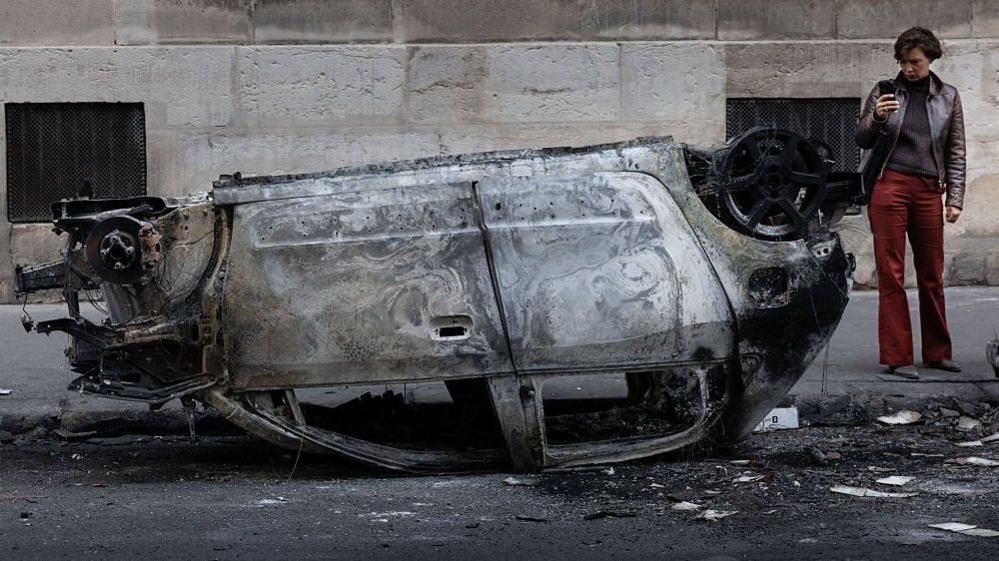
On 17 October a wave of street protests that began as a push for improved public schooling and lower energy bills spiralled into weeks of clashes, looting and arson across Paris and other French cities. The unrest unfolded as the nation grappled with soaring household energy costs that many linked to the wider geopolitical crises of the West and East, echoing a global sense of vulnerability amid a changing climate.
In the immediate aftermath, President Macron and Interior Minister Laurent Nuñez pointed fingers at far‑left groups, claiming an “organized campaign of violence” that sought to undermine public order. The rhetoric of blame, however, has not quelled the anger of many young citizens who say that the government’s slow response to energy poverty and inadequate public services has left them stranded amid climatic upheavals.
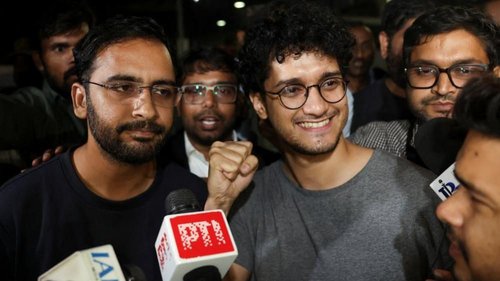
Student leaders from the Front Scolaire Équité — and activists affiliated with national unions such as the FSE — describe the protests as “grassroots resistance born out of systemic neglect.” They underscore that rising costs of heat, electricity, and transport have amplified grievances over climate uncertainty, while highlighting a lack of transparent dialogue about future energy strategies and the need for a just transition to renewables.
This unrest is not isolated. Hundreds of other European cities, including Milan, Porto, and Tirana, reported similar dramatic demonstrations driven by a shared frustration over the financial hardship and climate‑related insecurity that place disproportionate burdens on the youth. Across the continent, social media feeds are saturated with images of protest that often fuel a cycle of media‑driven outrage and a muted governmental response.
The stakes are clear: without decisive climate‑justice policy and an inclusive political engagement strategy, the gap between public expectations and policy delivery will widen. Framing future debates around legally binding climate targets, energy‑affordability guarantees, and active youth participation can transform protest into purposeful policy, ensuring that climate resilience is not merely a technocratic goal but a lived reality for all citizens.