In brief
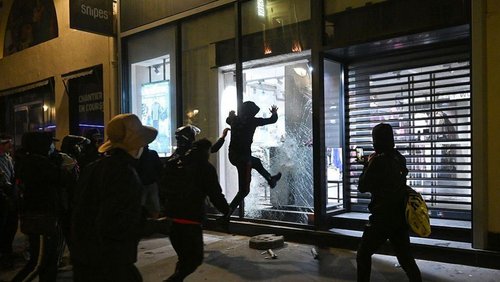
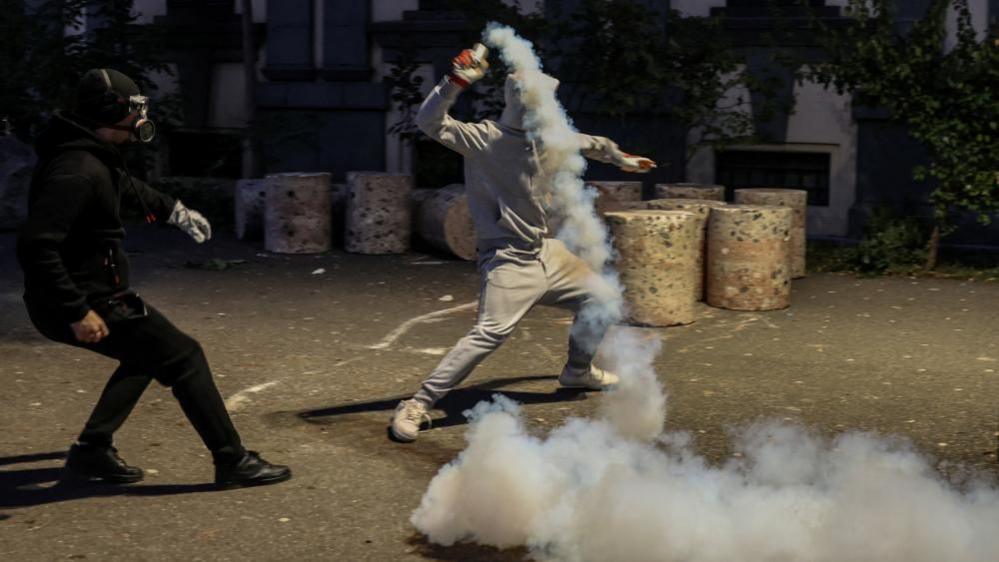
The pro‑government protests in Tirana have stretched into the seventh intense day of confrontation between students, civil activists and law enforcement. Official counts now list 295 injuries, 186 of them police officers, as demonstrators demand Rama's resignation and better university conditions. Thousands have taken to the streets, using cobblestones as ammunition and carrying saline spray to protect protesters from tear gas. Human rights lawyers report sporadic arrests and alleged abuse, while activists argue that the violence stems from police tactics. The unrest reflects deeper frustrations about corruption, political stagnation and unmet expectations of the youth.
Students, university staff and other citizens have taken to the streets in Tirana for the seventh straight day, sparking violent confrontations with riot police.
The protests were initially driven by demands for improved university conditions, a response to alleged corruption and a call for Prime Minister Edi Rama to step down. Official figures now record 295 people injured, including 186 security officers, in the clashes that have unfolded since the protests began on the 15th of October.
The demonstrators have used everyday objects as improvised weapons; students and volunteers have broken cobblestones in Rinia Park to throw them at police, while others carried saline spray to neutralise the tear‑gas used by the authorities. A convoy of armed police vehicles, led by an armoured truck, fired tear gas canisters into the crowds as they moved through the city’s main boulevard.
In a defiant display of resilience, protestors sought refuge inside a cafe in the park, where waiting staff and volunteers helped those disoriented by the fumes. Human‑rights lawyer Gentian Sejrani criticised the police response, noting that “in court, the police rarely present evidence” and that many arrested without connection to the protests are held pending further interrogation.
The unrest has exposed deep‑seated tensions between civic groups and state authority. After an incident on Sunday, Prime Minister Rama said, “The moment the state negotiates with this, the state has fallen,” reflecting how the government feels threatened by the demonstrators’ escalating demands.
Activist Sidorela Vatnikaj, a master’s student involved in the movement for eight years, described a typical protest day: meeting with various groups, coordinating location and logistics, attending first‑aid posts and ensuring the safety of family members who join the rallies. She acknowledged that the violence from some protesters is the result of frustration, but blamed police actions for fuel the conflict.
With the protests continuing unabated, Albanian youth remain hopeful that a shift toward a technocratic government could eventually bring genuine democratic reform and, potentially, a more responsive approach to environmental and social issues that have increasingly plagued the country.