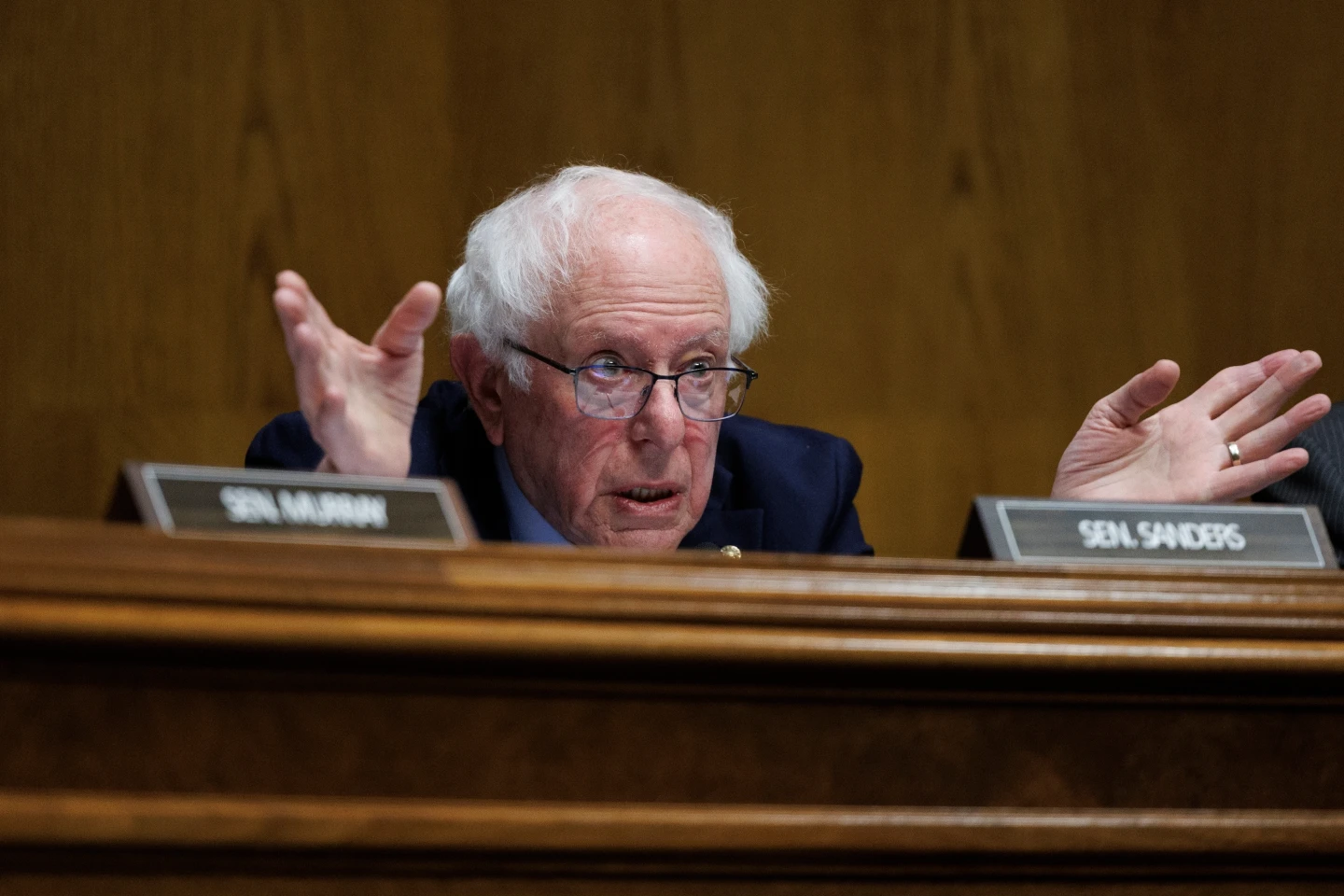
Amidst rising concerns about the energy demands and environmental impacts of data centers, progressive lawmakers have introduced legislation to halt the establishment of new facilities across the United States. The bill, championed by Democratic Rep. Alexandria Ocasio-Cortez and independent Sen. Bernie Sanders, aims to address both the welfare of workers and consumers while imposing necessary measures to safeguard the environment.
This legislative push comes as communities nationwide express dissatisfaction over increasing electricity prices associated with new data centers. The potential spike in operational costs has sparked significant backlash, influencing local elections in Democratic strongholds like Georgia, Virginia, and New Jersey.
Despite the urgency conveyed by the lawmakers, the bill faces skepticism regarding its viability in a divided Congress. Many Republicans and some Democrats have dismissed the suggestion of a moratorium, emphasizing the importance of not ceding technological leadership to competitors such as China, as highlighted by Democrat Senator John Fetterman.
Rep. Sanders articulated the pressing nature of technological changes driven by AI and robotics, stating that the country cannot permit a few corporate giants to dictate the future trajectory of economic, democratic, and societal structures without appropriate oversight. The time for action is now, he urged, underlining the necessity for public debate on this pivotal topic.
As power consumption in the U.S. escalates, with projections indicating data centers consume amounts equivalent to 100,000 households, the current legislative framework appears insufficient to manage the environmental impact effectively. Both lawmakers are advocating for comprehensive scrutiny and regulation to ensure that growth in technology does not compromise public welfare or environmental health.
While the proposal advocates for protective measures, tech giants including Google and Amazon have committed to improving their practices to mitigate environmental impact by integrating new power generation sources, indicating a growing recognition of the issue among leading industry players.