In brief
As drought ravages Turkana, locals like Lotkoy Ebey have lost livestock and are now facing acute food shortages. With traditional sources of sustenance failing, communities are reverting to the fruits of the gingerbread tree to stave off hunger. Although the rains have started falling, experts warn that the situation remains critical, leaving over 320,000 people in urgent need of assistance. Humanitarian efforts are underway, but the resources are scarce, highlighting the escalating crisis in the region.
Amid a devastating drought in Turkana, families are relying on the doum palm's fruits to survive, as food scarcity leaves millions hungry.
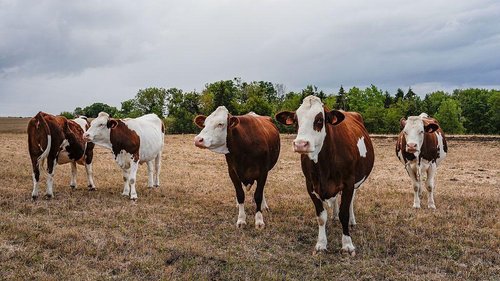
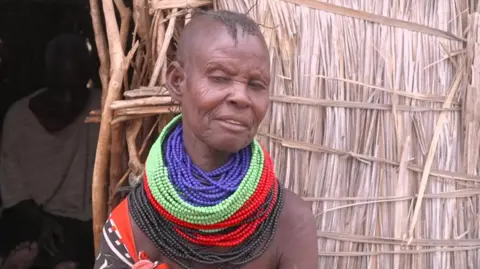
Lotkoy Ebey has just five scrawny goats left, a sharp decline from her once-thriving herd of 50, mirroring the hardships faced by many in drought-afflicted northwestern Kenya. In cultures like her own in Turkana, livestock are vital not only for sustenance but as a measure of wealth and identity. The death of her animals due to parched pastures has pushed her family to the brink.
Although some areas are experiencing rainfall, the downpours are not enough nor consistent, exacerbating the food crisis that now affects around 26 million people across East Africa, including in Kenya, Ethiopia, and Somalia as reported by Oxfam.
Dry riverbeds and barren grazing fields are evident across Turkana county, making meals a luxury instead of a routine. Families often grapple with the reality of eating a single meal a day, with some going as far as five days without proper food. In dire circumstances, hunting for wild food has become a family's last resort.
As communities scour the land for sustenance, they have turned to the gingerbread tree (doum palm), harvesting its fruit in a desperate bid to alleviate hunger. Collecting these fruits is no small task; villagers sometimes journey for hours without guarantee of success. Regina Ewute Lokopuu, amidst one such gathering, laments the severity of the hunger in their region.
As the drought prevails, the Kenyan government and humanitarian organizations are attempting to address the growing crisis, with efforts underway to distribute food and assist vulnerable households. Nonetheless, these initiatives are met with overwhelming need, and many like Lotkoy continue to rely on dwindling resources and the scant bounty offered by their environment.