In brief
In an effort to address the escalating waste crisis on Mount Everest, Nepalese authorities are scrapping a decade-old deposit scheme intended to encourage climbers to remove their discarded materials. The program, which required climbers to pay a $4,000 deposit refundable only upon returning a minimum of 8kg of trash, was deemed ineffective, leaving much of the waste untouched, particularly at higher camps. A new, more proactive plan involving a non-refundable clean-up fee and increased monitoring is expected to replace the failed initiative.
A scheme to encourage climbers to bring their waste down from Mount Everest is being scrapped - with Nepalese authorities telling the BBC it has been a failure.
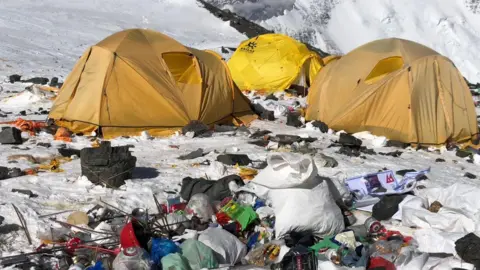
Climbers had been required to pay a deposit of $4,000 (£2964), which they would only get back if they brought at least 8kg (18lbs) of waste back down with them. It was hoped it would begin to tackle the rubbish problem on the world's highest peak, which is estimated to be covered in some 50 tonnes of waste.
But after 11 years - and with the rubbish still piling up - the scheme is being shelved because it 'failed to show a tangible result'.
Himal Gautam, director at the tourism department, noted that the garbage issue 'not only has not gone away', but also that the deposit scheme itself had 'become an administrative burden'. Most of the deposit money had been refunded over the years, suggesting climbers complied by bringing back trash, but largely from lower camps instead of the higher regions where waste is most problematic.
From higher camps, people tend to bring back oxygen bottles only, said Tshering Sherpa, chief executive officer of the Sagarmatha Pollution Control Committee. Tents and food debris are often left behind, contributing to the continued accumulation of waste.
A significant challenge is the lack of monitoring above the Khumbu Icefall, allowing climbers to leave trash unchecked. Therefore, to ensure climbers are accountable for their waste, Nepalese authorities are transitioning to a new scheme that will implement a non-refundable clean-up fee intended to fund higher altitude clean-up initiatives and monitor climber activities.
The new fee is projected to mirror the previous deposit amount of $4,000 and aims to feed into a comprehensive five-year action plan targeting waste management in the region. There are pressing concerns about sustainability as the number of climbers grows, which is put at around 400 annually, intensifying pollution issues around the fragile ecosystem of Everest.
This change aims to create a designated fund that can effectively monitor and promote proper waste management practices, addressing long-standing concerns from the Sherpa community regarding the previous system's inadequacy.