Understanding the Complex Landscape of Religious Violence in Nigeria
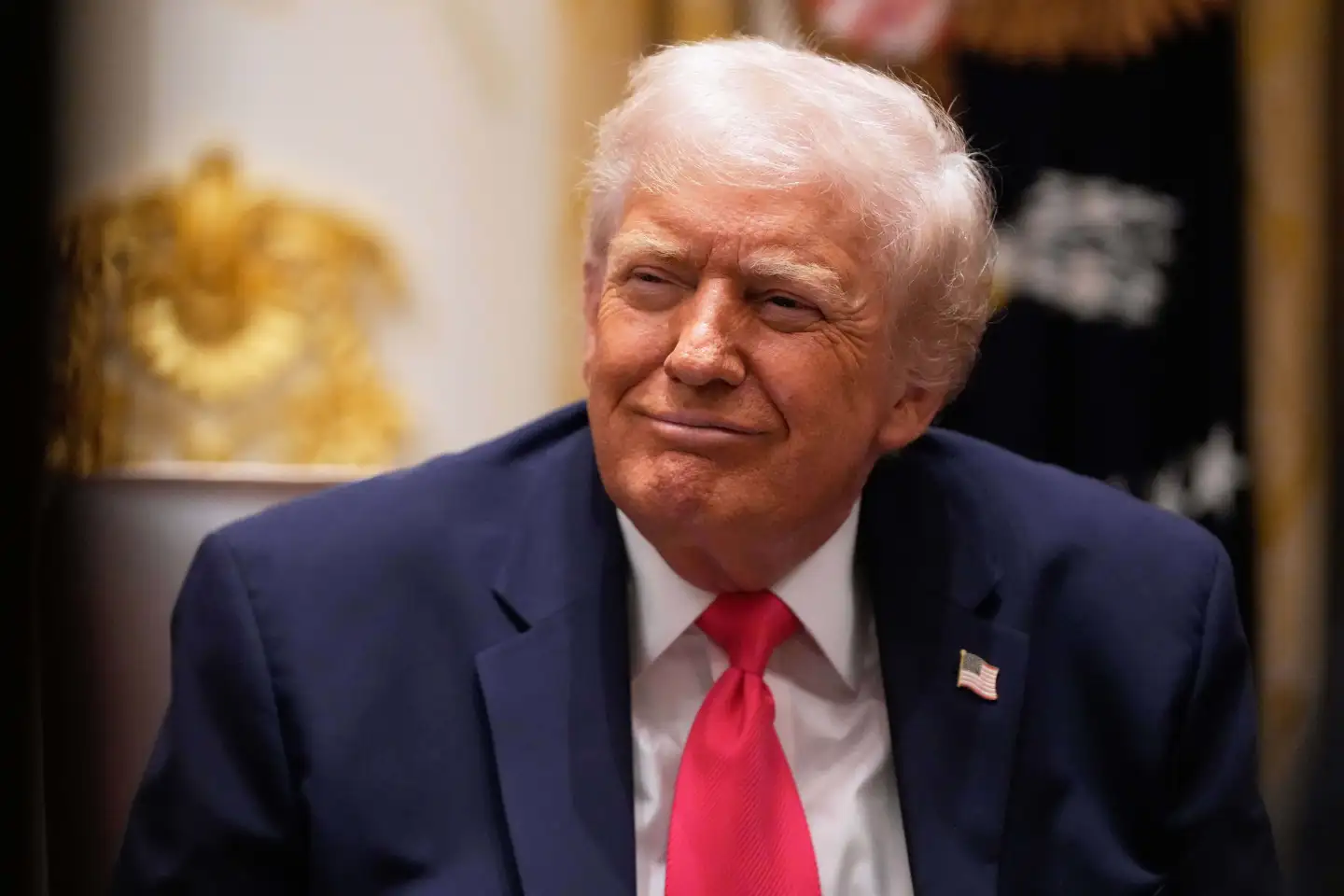
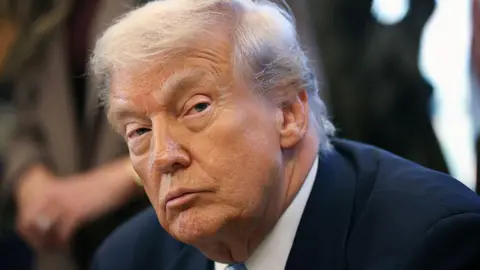
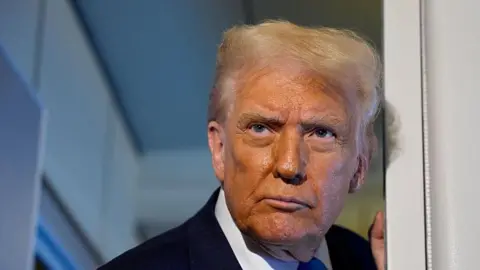
Recently, US President Donald Trump has made headlines by threatening Nigeria amidst claims that the government is failing to protect Christians from violent attacks. Trump's comments have ignited discussions around the allegations that religious violence is disproportionately targeting Christians in Nigeria.
Reports indicate that Islamist militants have been implicated in serious violence against religious groups in Nigeria, leading to claims of 'persecution' and even 'genocide' in some circles, particularly among various American politicians and commentators.
Data regarding the violence against Christians tends to be drawn from NGOs like InterSociety, which claims that thousands of Christians have been killed since 2009. However, the veracity of these figures has come into question. Nigerian authorities argue that such claims distort the reality of a complex conflict that involves various types of violence impacting all religious groups.
While high-profile figures in the U.S., including political leaders and commentators, have backed the narrative that Christians are specifically being targeted, Nigerian officials highlight that attacks are often not motivated purely by religion, but are frequently tied to broader issues like terrorism, ethnic tensions, and land disputes.
The body of evidence presents a divided perspective, with some sources suggesting the casualties among Christians are significant, while others report that the majority of the victims of jihadist violence in Nigeria are Muslims. Experts suggest that simplifying this situation to a religious persecution framework ignores the multifaceted nature of the conflict.
In conclusion, amidst calls for international intervention based on allegations of persecution, it is essential to closely analyze and understand the data and the broader socio-political context of violence in Nigeria to appreciate its complexity and avoid oversimplified narratives.