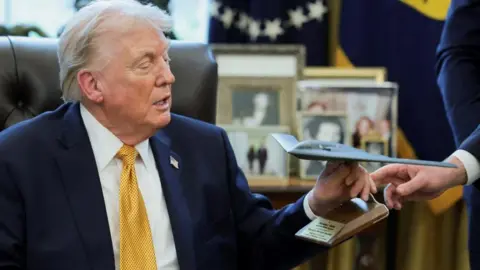
Minneapolis has become a focal point for discussions surrounding its large Somali community, particularly following critical remarks made by President Trump. His remarks, which included a statement that Somalis contribute nothing to the U.S., have drawn significant backlash from local leaders and community members.
As of 2024, around 260,000 Somali Americans reside in the U.S., with the Minneapolis-St. Paul area housing approximately 84,000, many of whom are U.S. citizens. The community has been a refuge for individuals fleeing the civil war in Somalia, with 58% of the local Somali population born in the U.S. and a significant portion having obtained citizenship.
Recently, Trump’s administration has turned an increasingly critical eye toward this community, alleging connections between local Somalis and fraud linked to public programs. The Feeding Our Future scandal emerged during the COVID-19 pandemic, resulting in accusations of fraudulent activities totaling around $300 million, with many defendants being Somalis. Local officials, including Governor Tim Walz, have defended the wider community, stating that fraud should not be attributed to all Somalis.
Additionally, historical concerns over the recruitment of Somali individuals by extremist groups such as al-Shabab and ISIS have reemerged. Despite most of these cases being resolved, ongoing investigations have kept the community under scrutiny.
In politics, Somali Americans have made significant strides, with prominent figures such as U.S. Rep. Ilhan Omar gaining national attention. Community leaders stress the importance of broadening the dialogue around Somali contributions to Minnesota, as they push back against the narrative that unfairly stigmatizes the entire community based on the actions of a few.