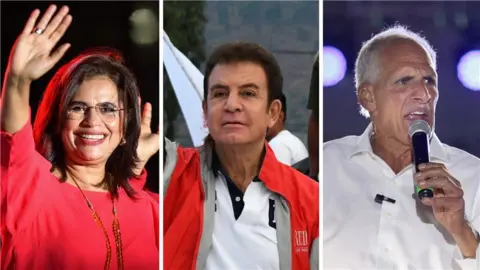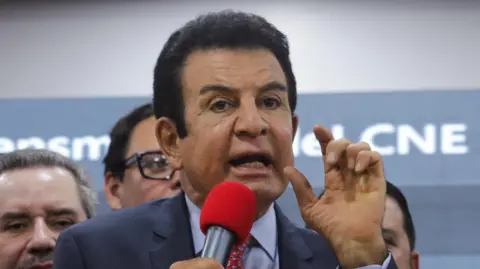
With a little over two-thirds of the ballots counted in the Honduran election, former vice-president Salvador Nasralla holds a small lead over conservative rival Nasry Asfura. The National Party, supporting Asfura, insists they have the necessary numbers to win, keeping the race on a knife-edge.
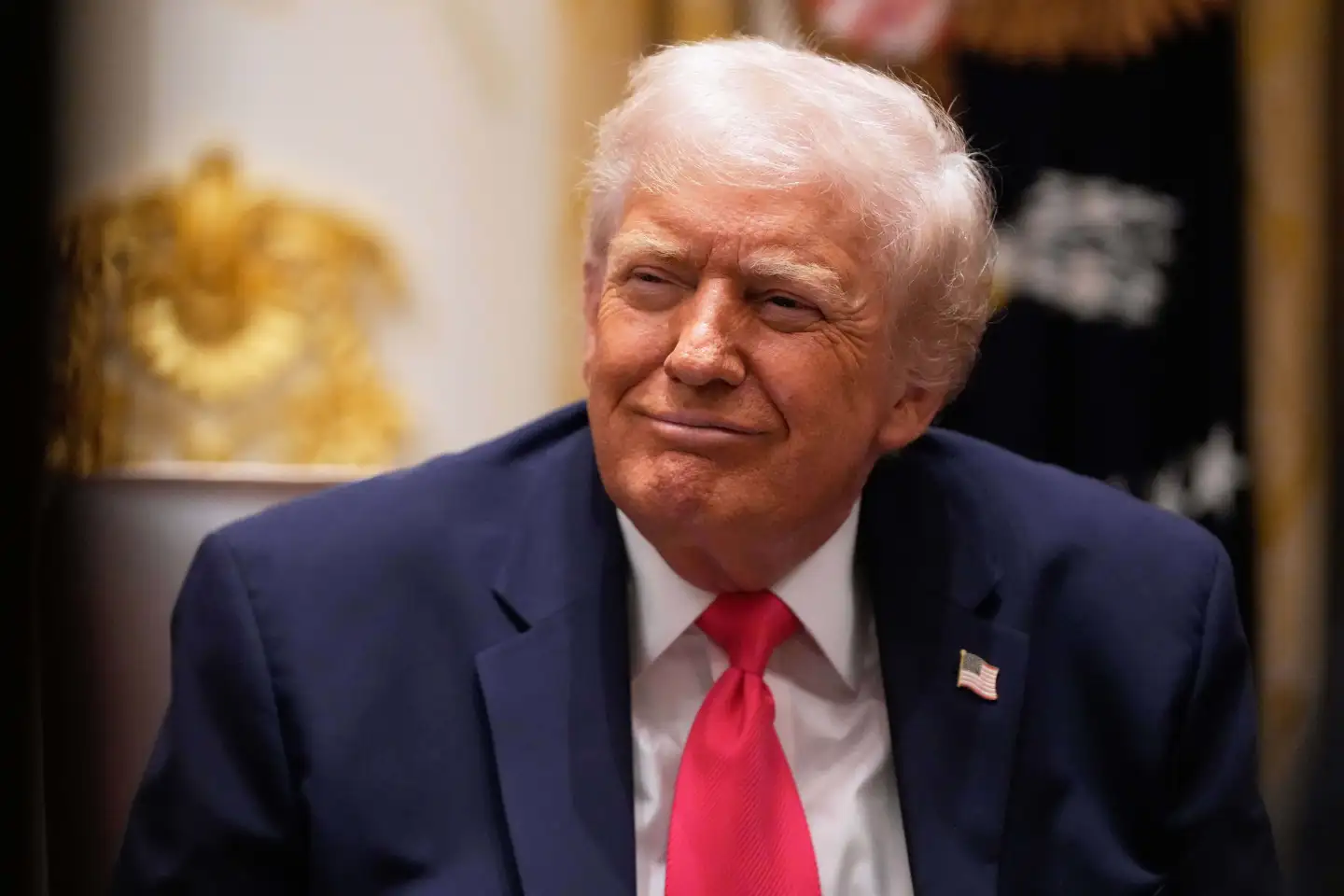
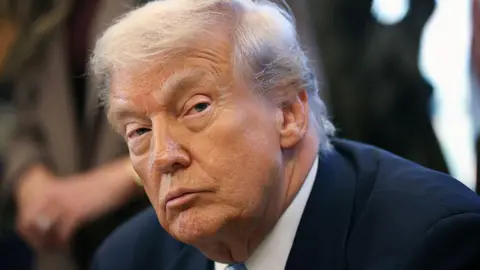
Meanwhile, in the background of this election, former President Donald Trump has expressed his preference for an Asfura victory, allegedly attempting to sway voters by hinting at the withdrawal of financial support and making claims of electoral fraud. Such actions have drawn criticism from political analysts in Honduras who perceive it as a nod to the historically exploitative relationship between the U.S. and Central America.
Honduran analyst Josue Murillo stated, No government should come here and treat us as a banana republic. That is a lack of respect. The interferences from Trump also appear to have coincided with the release of former Honduran president Juan Orlando Hernandez from U.S. custody, further complicating the political landscape.
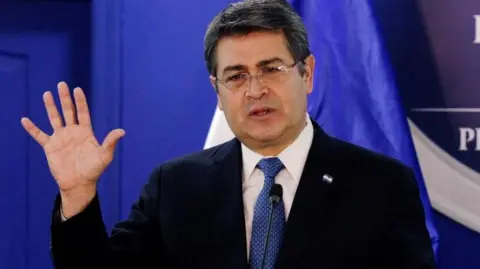
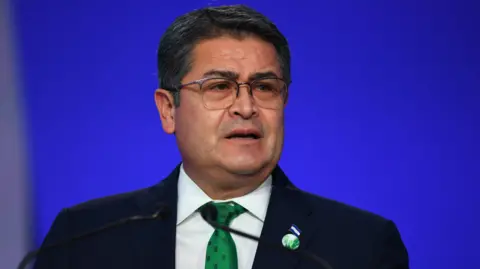
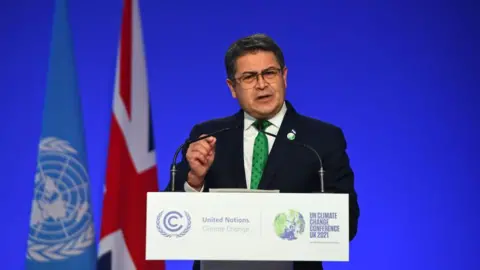
Hernandez, who had been imprisoned on drug charges, was granted a controversial pardon. His wife, Ana Garcia Carias, attributes his release to the efforts of key Trump allies, recognizing the influence of former political advisor Roger Stone and ex-Congressman Matt Gaetz in securing the pardon.
As results continue to be tallied, the implications of the election stretch far beyond Honduras, potentially shaping U.S.-Central American relations and reflecting Trump's approach to foreign influence.