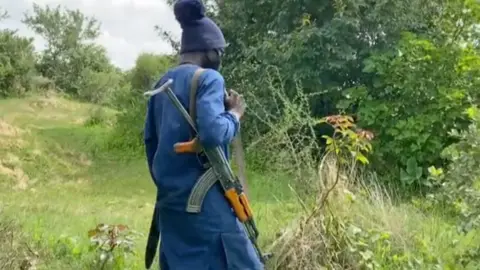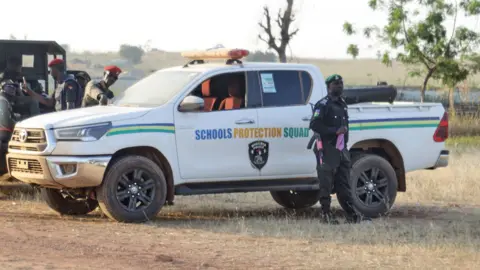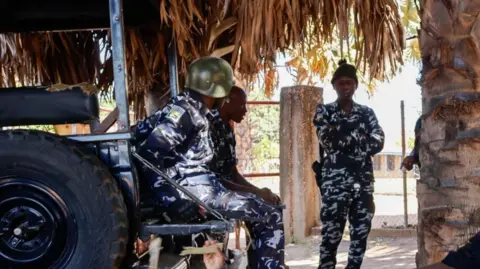
The Nigerian government claims jihadist groups Boko Haram and Islamic State in West Africa Province (Iswap) are responsible for a wave of kidnappings in north-western and central Nigeria. However, analysts suspect the actual culprits are local criminal gangs known as bandits. This marks the first time the government has attributed the kidnappings to specific groups, although they have not provided any evidence to substantiate these claims.
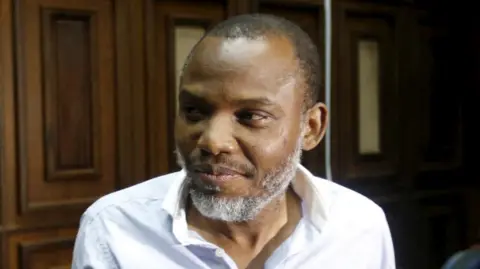
Kidnapping for ransom has become a lucrative operation in Nigeria, involving a mixture of kidnappers from various backgrounds, including jihadists and separatists. While the government denies paying ransoms, the practice has evolved significantly, evidenced by recent mass kidnappings.
Within the last fortnight, three large-scale kidnappings have occurred:
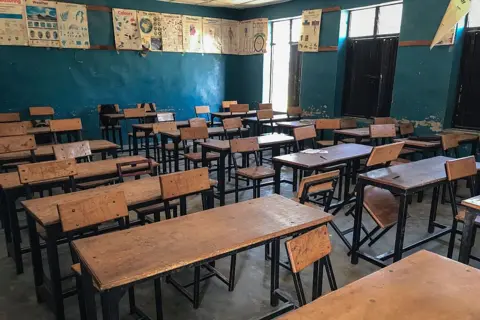
- On November 17, in Kebbi state, 25 people were abducted from a secondary school, with all being freed later.
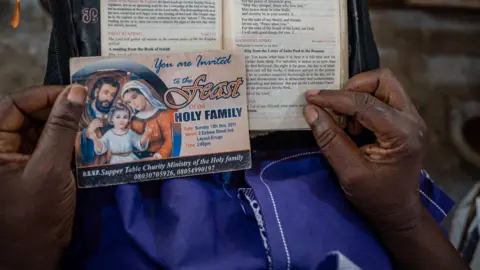
- On November 18, in Kwara state, 38 worshippers were taken from a church, and they have since been released.
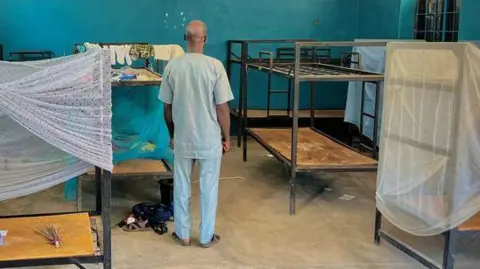
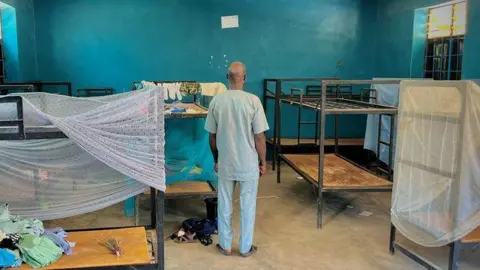
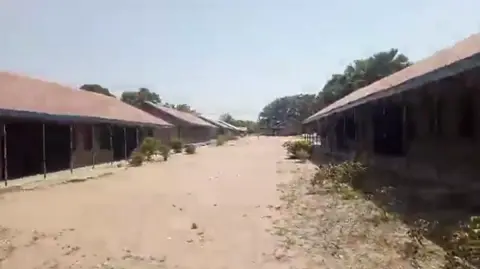
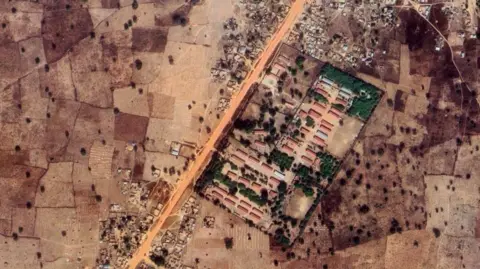
- On November 21, over 250 children were reportedly kidnapped from St Mary's Catholic School in Niger state, although the accuracy of this number is being questioned by officials.
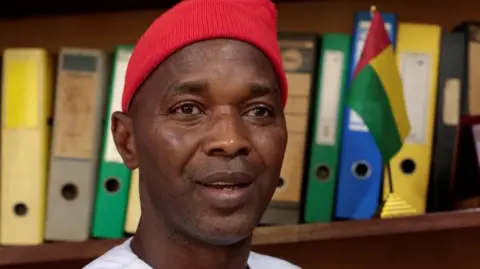
Despite the law against paying ransoms in Nigeria, there are allegations that this ban is frequently ignored. Presidential spokesman Sunday Dare has refrained from confirming any payments made for the release of abductees, citing successful strategies in negotiations and other methods utilized for their return.
Dare further emphasized that available data shows the involvement of jihadist groups in these kidnapping operations. Analysts, however, disagree, highlighting that the bandits, often poorly organized local groups, are primarily responsible for the recent kidnappings.
Recent assessments by monitoring groups indicate that local Fulani militia are now involved in #kidnappings, fueling conflicts with both Muslim and Christian communities in Nigeria.
The ongoing security crisis in Nigeria has caught the attention of international leaders, sparking discussions about ethnic and religious violence's broader implications.