Roosting birds now coo among the ceiling tiles in the deserted dining room of Kibbutz Nir Oz, once the bustling heart of a close‑knit, 400‑strong Israeli community that was devastated by the Hamas‑led attacks on 7 October 2023.
"We used to come and see each other, eat together. There were lots of activities here, also holidays to celebrate," remembers Dalit Ram Aharon, who is showing me around with her husband Achi.
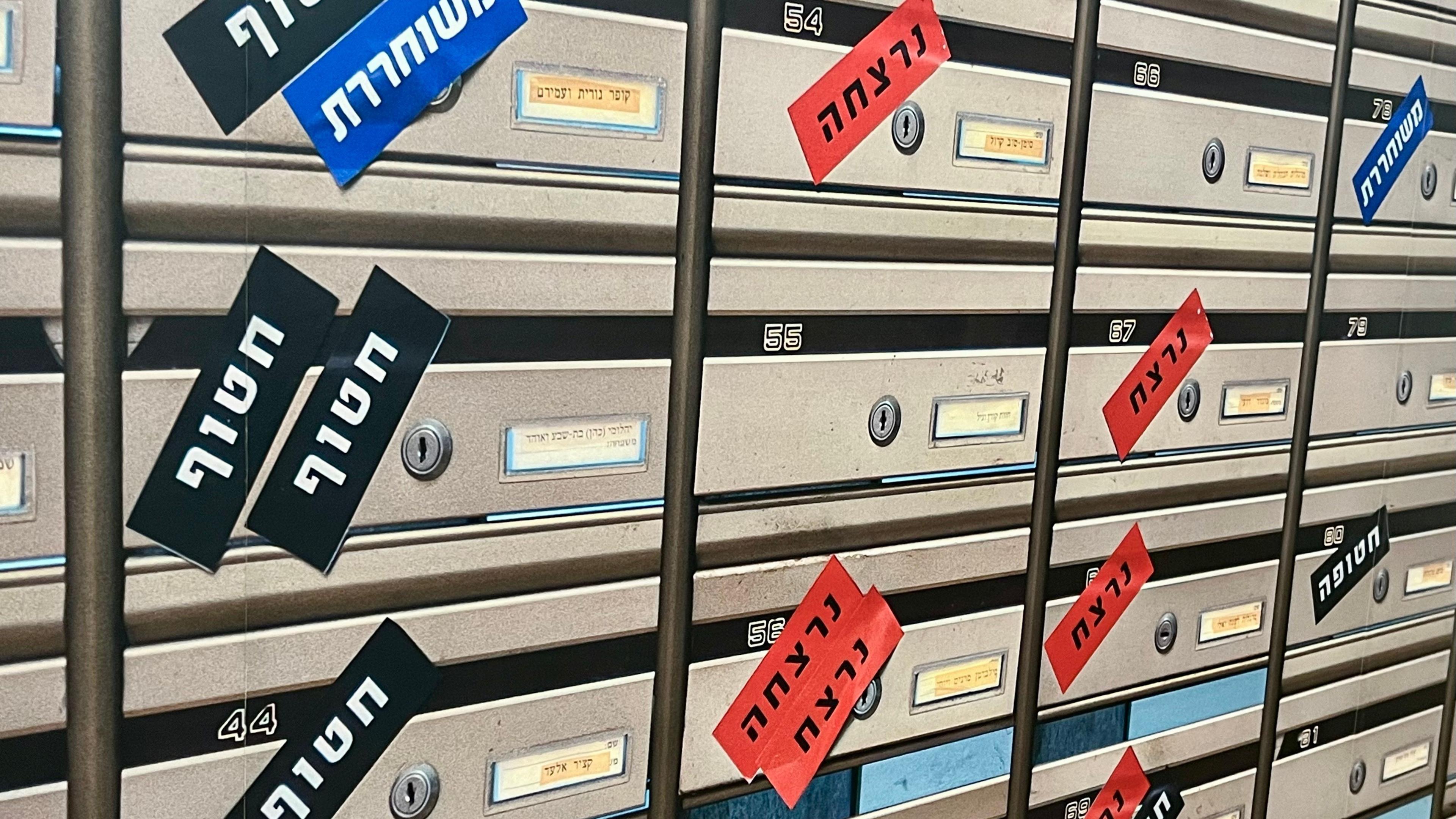
By the glass entrance doors, dotted with bullet holes, there is a shocking reminder of what happened to the missing residents. The postboxes for each household bear stickers put there after the attacks three years ago: red indicates those killed, and black those taken hostage. "That’s one out of four of us: murdered or kidnapped," Dalit says, pointing out the tragic numerics that include children and babies.
As Israel marks the third anniversary of its deadliest‑ever day, this is another painful time of reflection for residents of the kibbutz, which sits just a mile from the Gaza border and was one of the worst‑hit places.
The scene is silent, the wind chime dangles by the door of the burnt‑out house of the Siman Tov family. Images of Tamar and Yonatan with their three children—twin girls Shahar and Arbel, ages five, and two‑year‑old son Omer—haunt the rebuilt landscape. The parents were shot through the door of their bomb shelter, a structure designed to protect from rockets, not gunfire.
Dalit, who survived with Achi and their three children by hiding in their own shelter for nearly twelve hours that day, recalls the last social media messages sent by Tamar to her neighbours: “Is everyone fine?” followed by “They are shooting us.” Further down, “We are very injured.” These messages illustrate the instant shift from daily life to irrevocable horror.
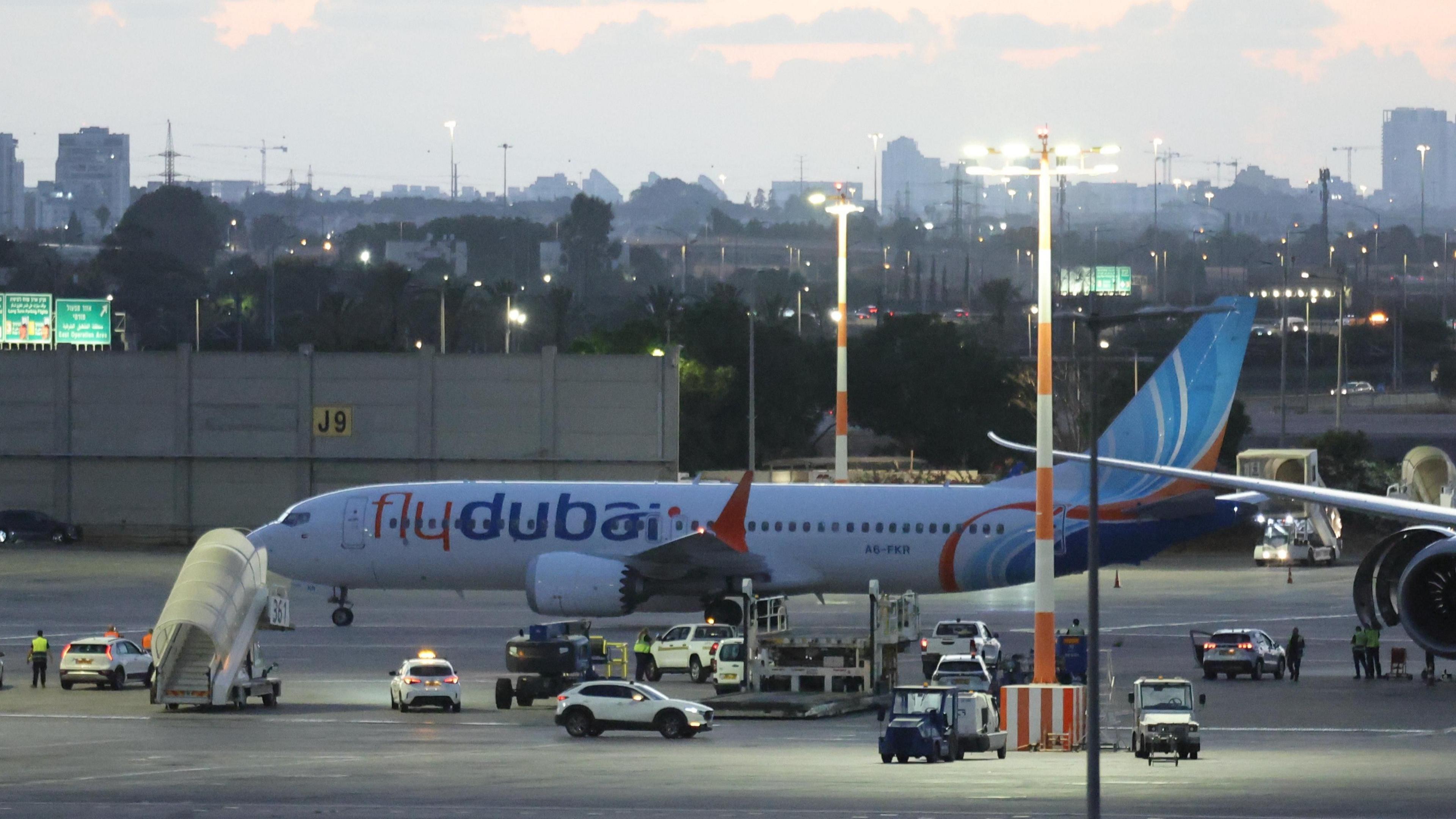
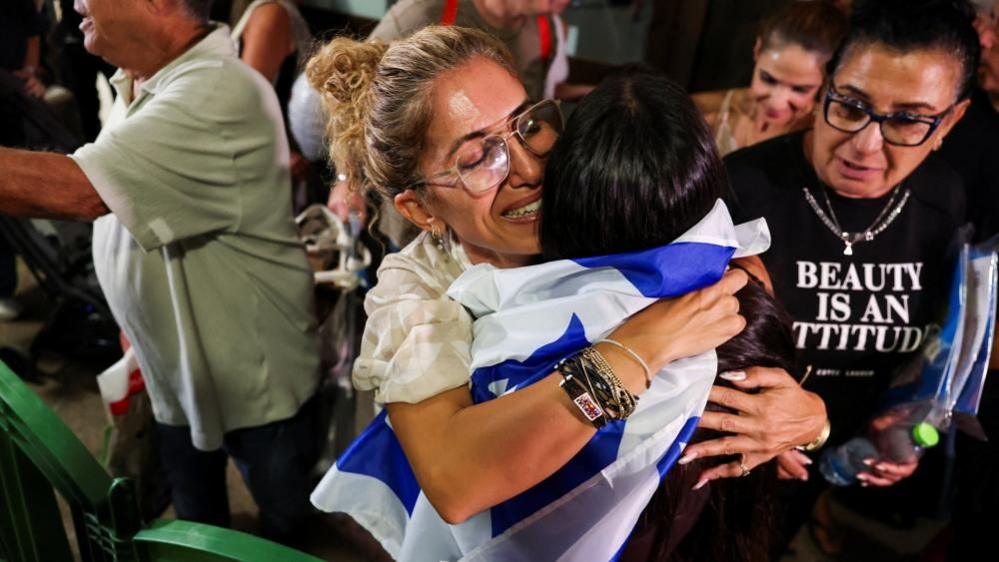
The assault involved about 6,000 Palestinians, including Nukhba forces and looters, striking the kibbutz. Forty‑one residents and foreign workers were killed, and 76 were kidnapped. The last living hostages were released in October 2025, and the remains of the last deceased hostage returned in December of that year.
Today, about twenty houses have been renovated or rebuilt, and a handful of former hostages have returned to live here. Their presence, alongside the memories preserved by the red‑stickered postboxes, fuels a debate: should the damaged houses remain as testimony, or should new, serene structures rise in their place? Their answer will shape the kibbutz’s future.
“It’s a huge debate – a very painful debate,” says Emi Palmor, director of the Reconstruction and Rehabilitation Project. Some want a serene new landscape free of reminders. Others fear that erasing visible scars will deny future generations the truth of what occurred.
Nationally, the Gaza war has claimed more than 74,200 lives, and nearly all of Gaza’s 2.1 million population has been displaced. The construction of a new community that respects ecological cycles—through rainwater harvesting, native planting, and soil‑rewilding—offers a model for resilience in post‑conflict settings.
Yet, even two years after the hostages’ return, Dalit, Achi and their children, now displaced and living north, face a wait for Nir Oz to reopen fully. The kibbutz will be fully demolished and replanned—a unique challenge that requires balancing remembrance with new design to avoid retraumatizing returns.
“Until the hostages came back, it was the only thing on our mind,” Dalit says. “Now we can concentrate on ourselves, on what we lost, what we need. It’s a relief that the war has less immediate human cost, but trauma remains.”
The Israeli government’s inquiry into the security failures remains pending, reflecting a broader need for accountability and better crisis preparedness. Against this backdrop, the processes of rebuilding Nir Oz become a testament to community resilience, and a potential environment‑friendly template for healing after conflict.