In brief
As U.S. gas prices soar due to international instability, primarily stemming from the ongoing conflict related to Iran, drivers are faced with the challenge of navigating rapidly changing fuel costs. Experts highlight that the fluctuations in gas prices largely stem from the volatile oil market, with gas stations struggling to balance their pricing amid rising costs. The pressure from higher wholesale prices and additional operational costs leaves retailers with shrinking margins, impacting both their profitability and consumer spending behavior.
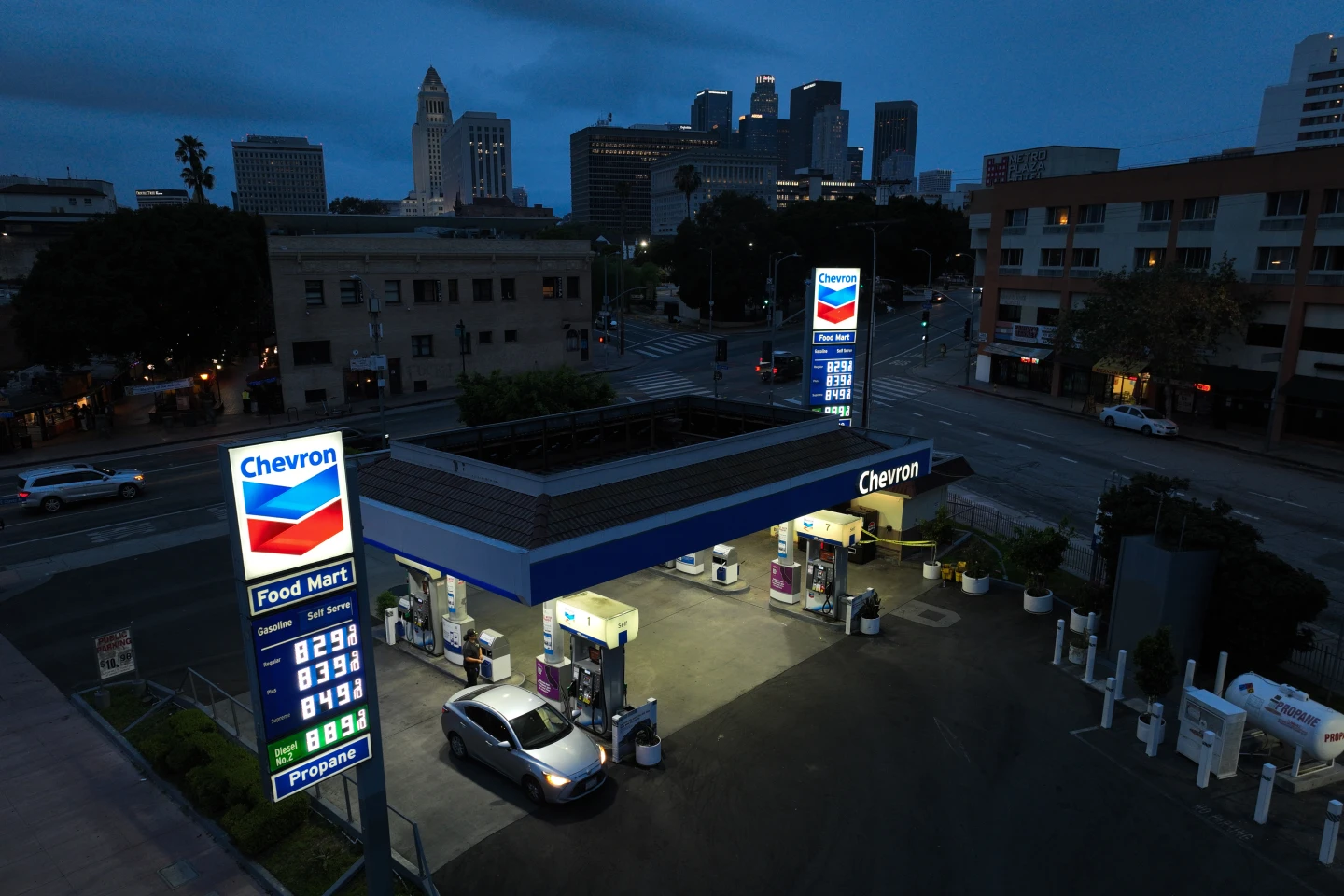
DES MOINES, Iowa (Echosphere) — U.S. motorists are grappling with skyrocketing gas prices, surpassing $4 per gallon, a figure not seen since 2022. The rising fuel costs have left many feeling financially strained and frustrated, especially as prices fluctuate nearly daily.
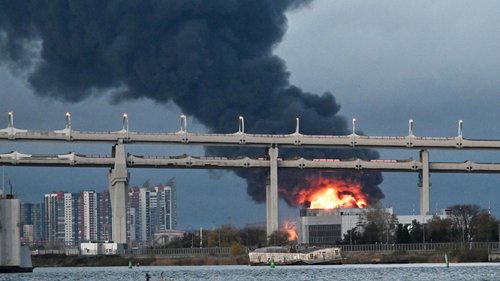
The current surge in gasoline prices is largely attributed to disruptions in international oil supplies, particularly due to the ongoing Iran conflict, which has driven prices upwards worldwide. According to data from the American Automobile Association (AAA), the average price for a gallon of gas reached $4 as of Tuesday.
Experts have noted that fluctuations in gas prices are largely dictated by a volatile oil market, rather than individual gas stations, which often struggle to keep pace with rapid price changes. Lonnie McQuirter, who runs a convenience store in Minneapolis, shared his experience: 'We have seen our margins grow tighter, and setup and operational costs are on the rise,' he stated, reinforcing the emotional toll such financial burdens impose on families who are forced to cut back on spending in response to high fuel costs.
About 50% of every dollar spent at the pump goes towards the cost of crude oil, while refinement costs and taxes account for roughly 30% collectively. Retailers commonly see their markup dwindle during such tumultuous periods, making profitability a significant challenge.
In addition to global oil trends, local prices can vary widely depending on factors such as state taxes and transit distances from refineries. In California, for instance, gas taxes average around 71 cents per gallon, compared to just 9 cents in Alaska, highlighting the complexities and disparities in fuel pricing across the U.S.
This situation is compounded by consumer behavior changes, as high gas prices often lead to reduced spending at gas stations for additional products, further squeezing retailer profits. Patrick De Haan, head of petroleum analysis at GasBuddy, indicated that while some retailers may find opportunities to recover losses when prices eventually dip, the immediate effects of rising costs are often detrimental.
Ultimately, as the energy market continues to be influenced by global events, both consumers and retailers will need to adapt to the fluctuating landscape of gas prices, feeling the impacts on everyday life.