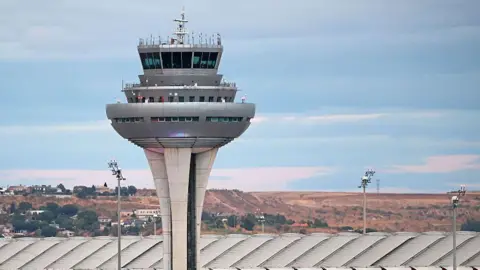
Spain has closed its airspace to US planes involved in attacks on Iran, according to Madrid's Defence Minister Margarita Robles. We will not authorise the use of Morón and Rota [military bases] for any acts related to the war in Iran, Robles stated, emphasizing that Spain had communicated this position clearly to the American government from the outset.
Foreign Affairs Minister José Manuel Albares added that the decision serves to prevent any possible escalation of the conflict in Iran. A White House official responded, asserting that the US military is successfully executing its missions under Operation Epic Fury without the need for Spanish assistance.
In light of Spain's refusal to allow the use of its military bases, President Donald Trump had threatened to impose a full trade embargo due to Spain's opposition to US and Israeli military actions against Iran. Since the escalation of hostilities at the end of February, Spanish Prime Minister Pedro Sánchez has openly criticized the attacks, labeling them as reckless and illegal.
Previously in March, Sánchez articulated that Spain had denied all flight plans associated with operations in Iran, including those involving refueling aircraft. He affirmed, We are a sovereign country that does not wish to take part in illegal wars.
As a result of Spain's airspace closure, US military flights will need to circumvent significant portions of the Iberian Peninsula, likely taking paths over the Atlantic or through France. Spanish newspaper El País reported that US aircraft may only traverse Spanish airspace or land at military bases in emergency situations.
During a recent 10-minute televised address, Sánchez reiterated Spain’s stance against war, referencing the conflicts in Ukraine and Gaza, encapsulating his government's position as a resolute no to war.
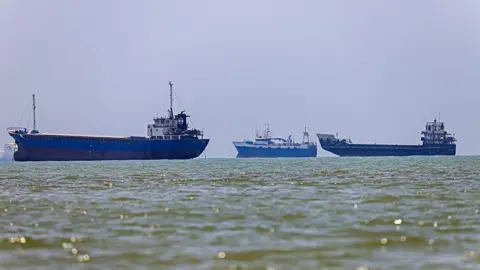
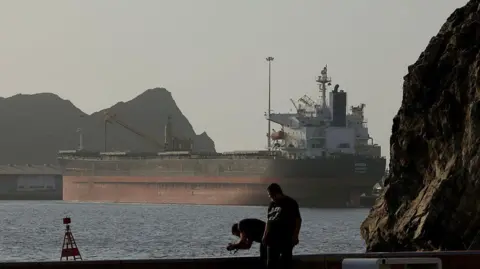
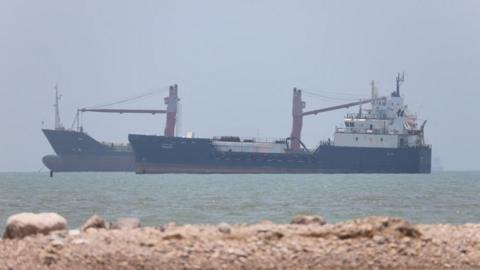
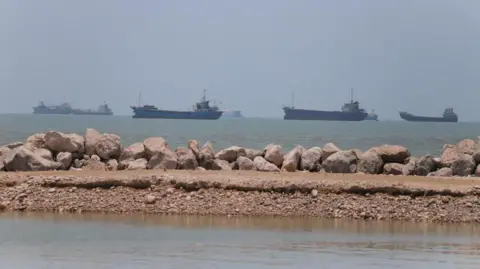
Additionally, in discussions with the Iranian embassy, Spain's commitment to international law was acknowledged, suggesting a willingness from Tehran to consider requests from Madrid related to maritime navigation through the critical Strait of Hormuz, which plays a vital role in the global oil supply. The ongoing threats of aerial engagements have raised oil prices, further complicating an already tense international situation.
Foreign Affairs Minister José Manuel Albares added that the decision serves to prevent any possible escalation of the conflict in Iran. A White House official responded, asserting that the US military is successfully executing its missions under Operation Epic Fury without the need for Spanish assistance.
In light of Spain's refusal to allow the use of its military bases, President Donald Trump had threatened to impose a full trade embargo due to Spain's opposition to US and Israeli military actions against Iran. Since the escalation of hostilities at the end of February, Spanish Prime Minister Pedro Sánchez has openly criticized the attacks, labeling them as reckless and illegal.
Previously in March, Sánchez articulated that Spain had denied all flight plans associated with operations in Iran, including those involving refueling aircraft. He affirmed, We are a sovereign country that does not wish to take part in illegal wars.
As a result of Spain's airspace closure, US military flights will need to circumvent significant portions of the Iberian Peninsula, likely taking paths over the Atlantic or through France. Spanish newspaper El País reported that US aircraft may only traverse Spanish airspace or land at military bases in emergency situations.
During a recent 10-minute televised address, Sánchez reiterated Spain’s stance against war, referencing the conflicts in Ukraine and Gaza, encapsulating his government's position as a resolute no to war.
Additionally, in discussions with the Iranian embassy, Spain's commitment to international law was acknowledged, suggesting a willingness from Tehran to consider requests from Madrid related to maritime navigation through the critical Strait of Hormuz, which plays a vital role in the global oil supply. The ongoing threats of aerial engagements have raised oil prices, further complicating an already tense international situation.