In brief
As Donald Trump prepares to deliver a primetime update on the Iran war, many are looking for clarity on the conflict's future. The address comes at a critical juncture in his presidency, as domestic pressure mounts for an exit from the war. Polls indicate that a significant portion of Americans favor a swift end to U.S. involvement, especially amid rising gas prices. Trump's history of shifting narratives adds to the uncertainty surrounding potential outcomes of his speech.
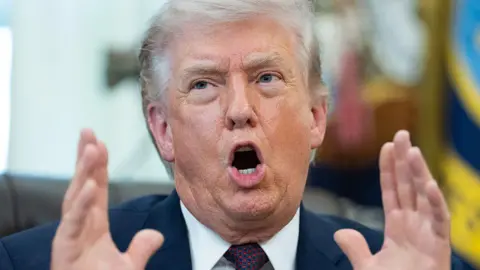
Across the world on Wednesday night, millions of people will tune in to watch Donald Trump deliver a primetime update on the war in Iran. Many will hope for some insight on how the war ends and what might come after.
The Trump administration has, so far, given little clue as to what prompted the hastily-arranged remarks, or whether they will mark the beginning of the end of the conflict or a potentially bloody escalation.
This ambiguity is, at least partly, by design. Trump often changes course or leaves his thinking a mystery to all but a small inner circle of supporters, which he has acknowledged leaves friend and foe alike wondering about his next move.
The president also knows that the address comes at a critical time in his presidency and amid mounting domestic pressure to find a way out of the conflict.
Poll after poll has shown that Americans have little appetite for a protracted conflict in Iran, particularly if it involves the prospect of US soldiers on Iranian soil.
A Reuters poll released this week found that two-thirds of Americans believe the US should work to swiftly wrap up its involvement in the war, even if the administration's stated military objections are not fully accomplished.
Closer to home, many Americans are increasingly wary of higher prices at the petrol pump, which this week crossed the average of $4 a gallon for the first time in years.
For a president who, pre-war, often pointed to lower petrol prices as a mark of success, this trend represents a challenge.
Imran Bayoumi, a geostrategy expert with the Atlantic Council, stated the deep domestic unpopularity of the war and its economic fallout could pose a problem for the upcoming midterm elections if the war drags on.
Throughout his time in office, Trump's stance on the conflict has shifted repeatedly, from calls for unconditional surrender to a potential negotiated agreement. Just yesterday, he stated that the war could end in two to three weeks, even without any deal.
This morning, he again shifted, indicating that Iran's much less radicalised president had asked for a ceasefire, though the US would not consider it until key strategic points, such as the Strait of Hormuz, are secure.
Until then, he vowed to continue military operations, even threatening a devastating attack on Iran if necessary.
Trump's somewhat vague definition of victory, which allows him flexibility in declaring accomplishments, raises questions about the clarity of U.S. objectives in the ongoing conflict.
The remarks to be made this evening will be closely analyzed by both allies and adversaries who may view them as a tactical gambit or a serious strategy for progressing in this complex geopolitical issue.
Moreover, Tehran's leadership remains cautious, recalling Trump's previous statements of encouragement for negotiations that preceded military action. Tonight's message is poised to impact not only U.S. domestic policies but also broader international relations.