As the war in the Middle East enters its second month, choking the world's energy supply and sending oil prices soaring, China is trying to step in as a peacemaker. It comes as President Trump suggests that US military action in Iran could conclude in two to three weeks, however, exact outcomes remain uncertain.
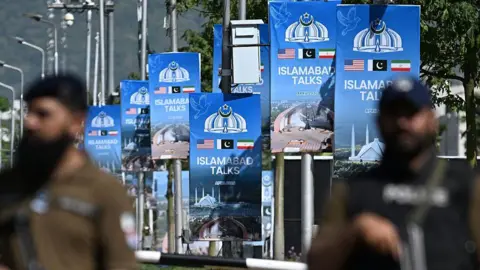
China joins Pakistan, which has emerged as an unlikely mediator in the US-Israel war against Iran. Officials from both Beijing and Islamabad have outlined a five-point peace proposal aimed at achieving a ceasefire and reopening the vital Strait of Hormuz, crucial for the transportation of oil.
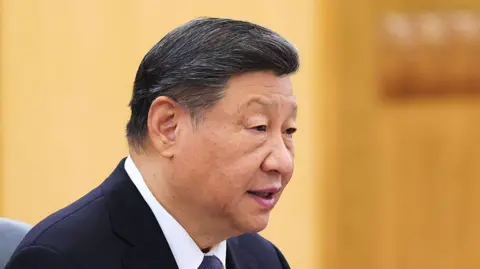
Pakistan's role has evidently garnered support from Trump, further establishing its position in the negotiation process. China's involvement, seen as a challenge to US influence, comes ahead of key trade talks between President Xi Jinping and Trump next month.
Experts note that China's backing is significant, highlighting its intention to offer comprehensive support politically and diplomatically, as stated by Zhu Yongbiao, a Middle East analyst. The move marks a noticeable shift for Beijing, whose previous response to the conflict was relatively muted, raising questions about its motivations.
Pakistan's foreign minister traveled to Beijing specifically to secure Chinese support, resulting in a diplomatic consensus emphasizing the importance of dialogue and diplomacy to mitigate ongoing tensions.
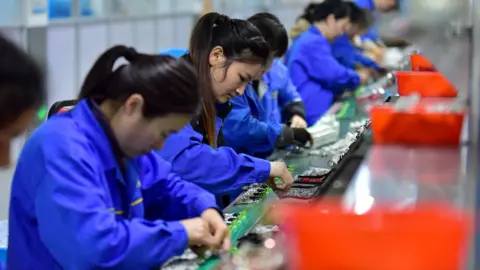
While oil remains a key concern, it is clear that China's broader interest is ensuring regional stability, crucial for the country's economic recovery. As the largest importer of crude oil, any significant disruption could result in detrimental shifts in the global economy, impacting China's crucial manufacturing sector.
China's approach is reflective of its current strategic interests, emphasizing economic development while cautiously avoiding deeper military entanglements. With a historical background of acting as a mediator in the region, China's recent peace efforts highlight its ambitions to assume a more influential role on the global stage, albeit amidst ongoing challenges pertaining to its prior alliances and human rights issues.
China joins Pakistan, which has emerged as an unlikely mediator in the US-Israel war against Iran. Officials from both Beijing and Islamabad have outlined a five-point peace proposal aimed at achieving a ceasefire and reopening the vital Strait of Hormuz, crucial for the transportation of oil.
Pakistan's role has evidently garnered support from Trump, further establishing its position in the negotiation process. China's involvement, seen as a challenge to US influence, comes ahead of key trade talks between President Xi Jinping and Trump next month.
Experts note that China's backing is significant, highlighting its intention to offer comprehensive support politically and diplomatically, as stated by Zhu Yongbiao, a Middle East analyst. The move marks a noticeable shift for Beijing, whose previous response to the conflict was relatively muted, raising questions about its motivations.
Pakistan's foreign minister traveled to Beijing specifically to secure Chinese support, resulting in a diplomatic consensus emphasizing the importance of dialogue and diplomacy to mitigate ongoing tensions.
While oil remains a key concern, it is clear that China's broader interest is ensuring regional stability, crucial for the country's economic recovery. As the largest importer of crude oil, any significant disruption could result in detrimental shifts in the global economy, impacting China's crucial manufacturing sector.
China's approach is reflective of its current strategic interests, emphasizing economic development while cautiously avoiding deeper military entanglements. With a historical background of acting as a mediator in the region, China's recent peace efforts highlight its ambitions to assume a more influential role on the global stage, albeit amidst ongoing challenges pertaining to its prior alliances and human rights issues.