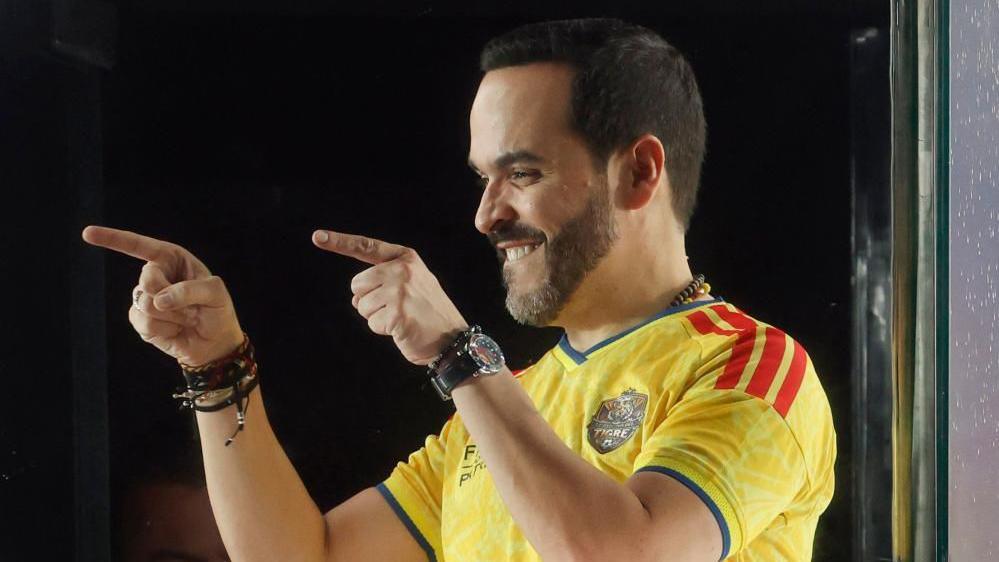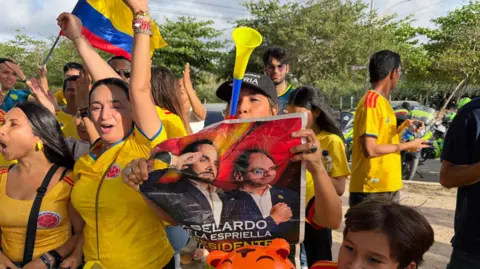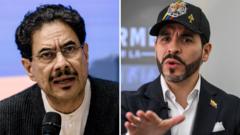
On 21 June, Colombia’s voters will decide whether the country’s future is set on a path of negotiated peace with armed groups or a hard‑line military approach that tightens security ties with Washington. The runoff comes after a first round that saw no candidate break the 50 % threshold, handing the contest to either former Senate President Iván Cepeda, a left‑wing ally of Gustavo Petro, or lawyer‑businessman Abelardo de la Espriella, who describes himself as “El Tigre” and is pro‑Trump.
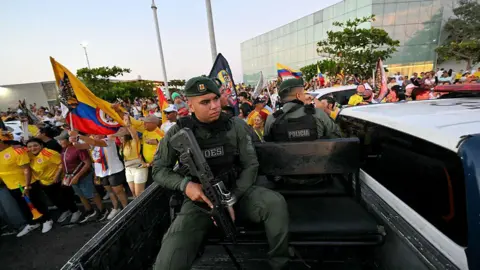
Until the ballot, the campaign has been riddled with violence: drone strikes, kidnappings, homicides and even the assassination of a candidate at a rally last year. The violence has implications beyond the battlefield. Colombia has been the world’s largest cocaine producer, and every ton of coca grown brings a corresponding chain of destruction – from the clearing of forest land to the loss of water‑catchment areas that support local ecosystems.
Cepeda is credited with steering the 2016 peace agreement that saw the FARC guerrillas surrender their weapons. He champions a “total peace” strategy that prioritises dialogue and negotiations with armed groups over a military campaign. Critics say that the approach has led to increased coca production, a surge in armed‑group membership and the worst spike in border violence since the 1990s, which has pushed people into the wildest forests to escape. Each expansion of conflict zones means additional forest loss and the erosion of Colombia’s carbon‑sink forest areas.
De la Espriella proposes a far more militantly focused approach: building 10 mega‑prisons deep in the jungle, conducting mass trials for cartel leaders and tightly coordinating with US forces. He also vows to shrink the state apparatus, a move that could reduce public environmental enforcement budgets and weaken protections around protected rain‑forest corridors.
The political clash will reach beyond Colombia’s borders. In a meeting on 1 June, Ecuadorian President Daniel Noboa and De la Espriella agreed to drop tariffs on Colombian imports in exchange for a joint fight against narcoterrorism. The deal is seen as the first step toward bolstering the US‑backed “Shield of the Americas” security pact that includes hard‑right leaders from the region.
While Trump has not publicly endorsed either candidate, Colombia’s relationship with the United States will shift according to the election result. Cepeda insists that Colombia should not become a U.S. vassal state, whereas De la Espriella is open to strengthening security alliances with Washington.
Ultimately, the runoff is not just a political contest, it is a clash of policy paradigms that will determine the country’s social fabric, environmental stewardship and its ability to manage the climate‑induced pressures of the 21st century.
Readers interested in the broader implications of Colombia’s shifting politics can explore additional coverage on the candidate dynamics, the drug trade, and border security in the linked articles.
Until the ballot, the campaign has been riddled with violence: drone strikes, kidnappings, homicides and even the assassination of a candidate at a rally last year. The violence has implications beyond the battlefield. Colombia has been the world’s largest cocaine producer, and every ton of coca grown brings a corresponding chain of destruction – from the clearing of forest land to the loss of water‑catchment areas that support local ecosystems.
Cepeda is credited with steering the 2016 peace agreement that saw the FARC guerrillas surrender their weapons. He champions a “total peace” strategy that prioritises dialogue and negotiations with armed groups over a military campaign. Critics say that the approach has led to increased coca production, a surge in armed‑group membership and the worst spike in border violence since the 1990s, which has pushed people into the wildest forests to escape. Each expansion of conflict zones means additional forest loss and the erosion of Colombia’s carbon‑sink forest areas.
De la Espriella proposes a far more militantly focused approach: building 10 mega‑prisons deep in the jungle, conducting mass trials for cartel leaders and tightly coordinating with US forces. He also vows to shrink the state apparatus, a move that could reduce public environmental enforcement budgets and weaken protections around protected rain‑forest corridors.
The political clash will reach beyond Colombia’s borders. In a meeting on 1 June, Ecuadorian President Daniel Noboa and De la Espriella agreed to drop tariffs on Colombian imports in exchange for a joint fight against narcoterrorism. The deal is seen as the first step toward bolstering the US‑backed “Shield of the Americas” security pact that includes hard‑right leaders from the region.
While Trump has not publicly endorsed either candidate, Colombia’s relationship with the United States will shift according to the election result. Cepeda insists that Colombia should not become a U.S. vassal state, whereas De la Espriella is open to strengthening security alliances with Washington.
Ultimately, the runoff is not just a political contest, it is a clash of policy paradigms that will determine the country’s social fabric, environmental stewardship and its ability to manage the climate‑induced pressures of the 21st century.
Readers interested in the broader implications of Colombia’s shifting politics can explore additional coverage on the candidate dynamics, the drug trade, and border security in the linked articles.