South Carolina and Alabama are at the center of a redistricting showdown that threatens to reshape the political landscape for the 2024 elections. President Donald Trump’s push to redraw congressional lines—a move designed to give Republicans a clean sweep—has hit two major stumbling blocks this week.
South Carolina: Thursday afternoon began with early‑in‑person voting in the state’s primaries. On the same day, the State Senate rejected a Republican proposal to cancel these votes and replace them with a new primary that would be held under a newly drawn map. Senators cited the timing—once voters were in the polls, “the conscience or common sense will not stop an election already underway”—and worried that altering the lines in the middle of a campaign would confuse voters and undermine the electoral process.
Politics, however, is no accident. The Republicans, guided by Trump’s recent encouragement, have been pushing for redistricting exercises in several states—including Texas, Missouri, North Carolina, Ohio, Florida and Tennessee—hoping to gain anywhere from 14 to 15 seats. The objective is to lock the Senate majority into the House in the 2024 midterm elections.
Alabama: A three‑judge federal panel issued a preliminary injunction against a Republican‑drawn map that would have reduced the number of majority‑Black districts from two to one. The court deemed the plan “intentionally discriminatory based on race” and forced the state to keep the existing court‑imposed map with a substantial share of Black residents. State Attorney General Steve Marshall, a Republican, pledged to appeal the injunction and predicted a win for the party.
The battles in both states echo a broader national “redistricting war.” Supermajorities in other states—California, Utah, Virginia, and Louisiana—are seeing similar disputes. Courts are straining to catch up with political actors eager to enact partisan gerrymanders that could reshape the representation of communities of color and alter policy priorities, including those related to climate and environmental justice.
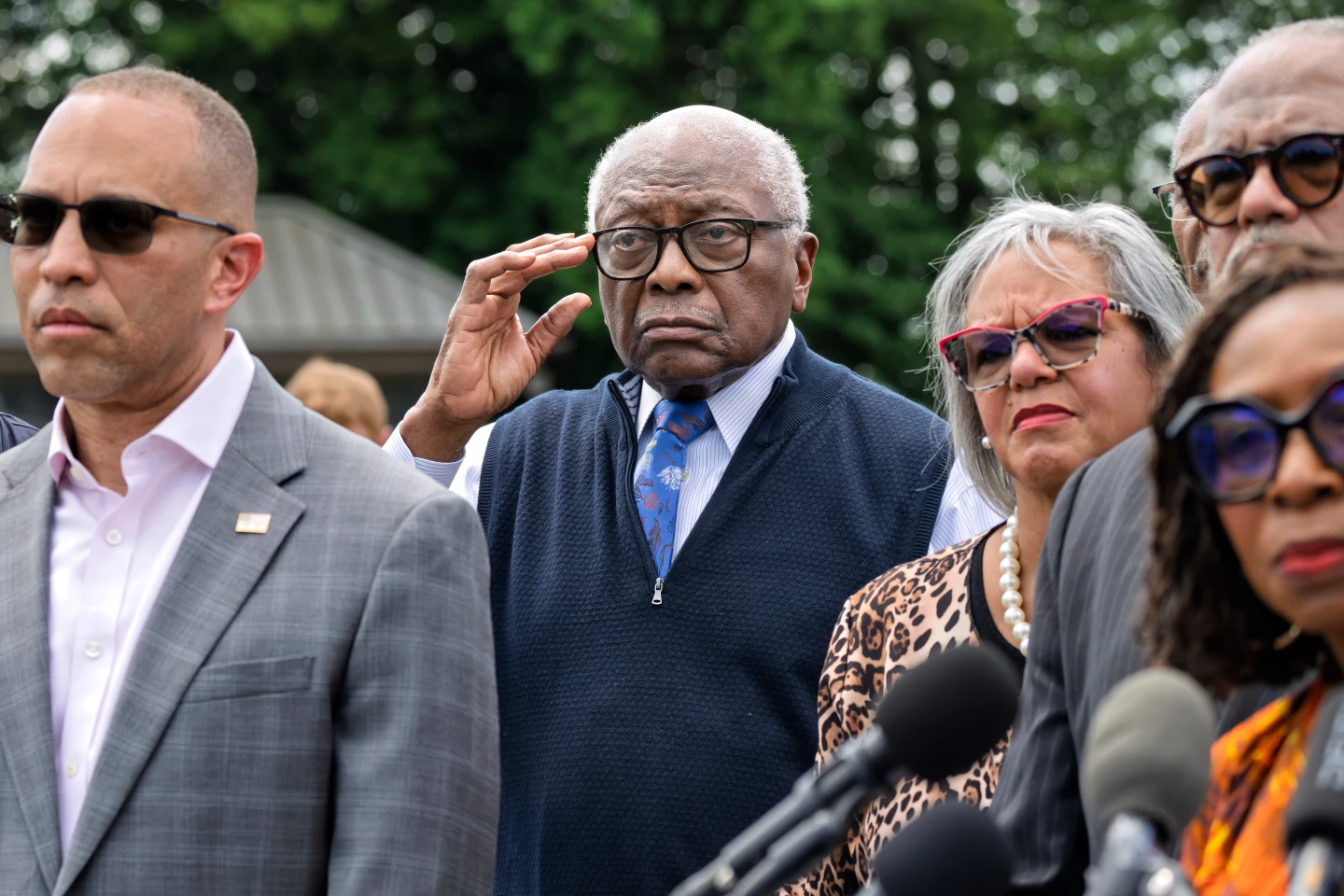
Republican lawmakers are split; while some GOP senators feared that aggressive redistricting could backfire by making safe seats vulnerable, others, like former Senate Majority Leader Shane Massey, pressed on with the plan. Democrats, on the other hand, outraged by the manipulation, rallied under the national press of the Congressional Black Caucus, which called on corporations to oppose the elimination of majority‑Black districts.
In the end, the attempts to reshuffle congressional maps in South Carolina and Alabama demonstrate the layered conflict between state power, federal oversight, and the principle of fair representation. The political drama is far from over, and the implications for community representation—especially for marginalized groups—could shape the environmental policy agenda that the next Congress will set for the planet’s future.
}